Your Tires Gained Pressure on the Highway. Do Not Let the Air Back Out Yet
by AutoExpert | 4 August, 2026
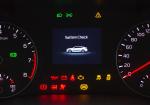
The tires were set perfectly that morning. Then, after a long stretch of highway, the pressure display shows every one of them sitting several pounds higher.
Out comes the gauge. Sure enough, the dashboard was not exaggerating. The numbers are above the recommendation printed on the door jamb, and the obvious solution seems to be letting out a little air.
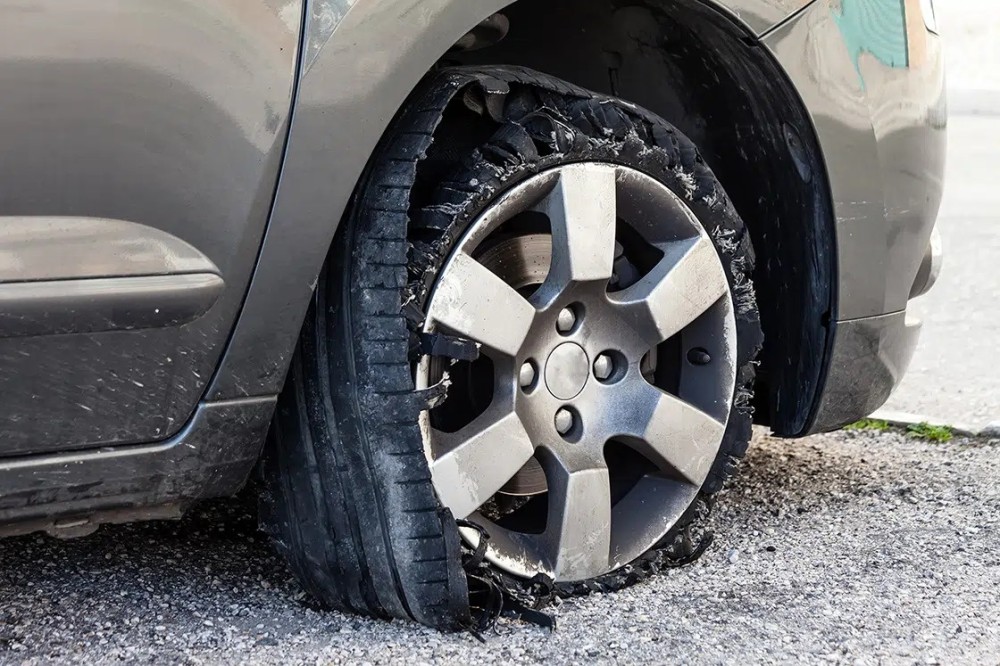
It is also usually the wrong solution.
The pressure printed on the vehicle placard is generally intended for cold tires. After an hour on the road, the tires are no longer cold. They have been flexing, carrying the weight of the car and turning thousands of times. All that work creates heat, and as the air inside warms, its pressure rises.
That higher number is not an inflation mistake that needs correcting. It is the expected result of driving.
“Cold” does not mean winter weather
A cold tire is simply one that has not been warmed significantly by driving. Depending on the guidance supplied with the vehicle or tire, that usually means checking before the day’s journey or after the car has been parked for several hours.
The outside temperature still matters. A tire checked on a frosty morning will read lower than the same tire checked during a warm afternoon. But a tire can be considered cold in July and hot in January. The distinction is about recent use, not the season.
This is why a gas-station pressure check can be misleading. By the time the car reaches the pump, its tires may already be warm. The pressure looks high compared with the door placard, so the driver bleeds it down to the cold recommendation.
The next morning, after everything cools, the tires are now below the correct pressure. What looked like careful maintenance has quietly created underinflation.
Michelin specifically advises drivers not to deflate a warm tire, because the rise in pressure is a normal consequence of temperature.
What if a warm tire still reads low?
That is a different situation.
If the recommended cold pressure is 35 psi and a warm tire reads 30, waiting for it to cool will not somehow solve the shortage. Once cold, the reading will probably be lower still.
Add enough air to make the car safe, then check the pressure again when the tires are cold. A single tire that is noticeably lower than the others deserves particular attention. It may have picked up a nail, developed a valve leak or lost its seal against the wheel.
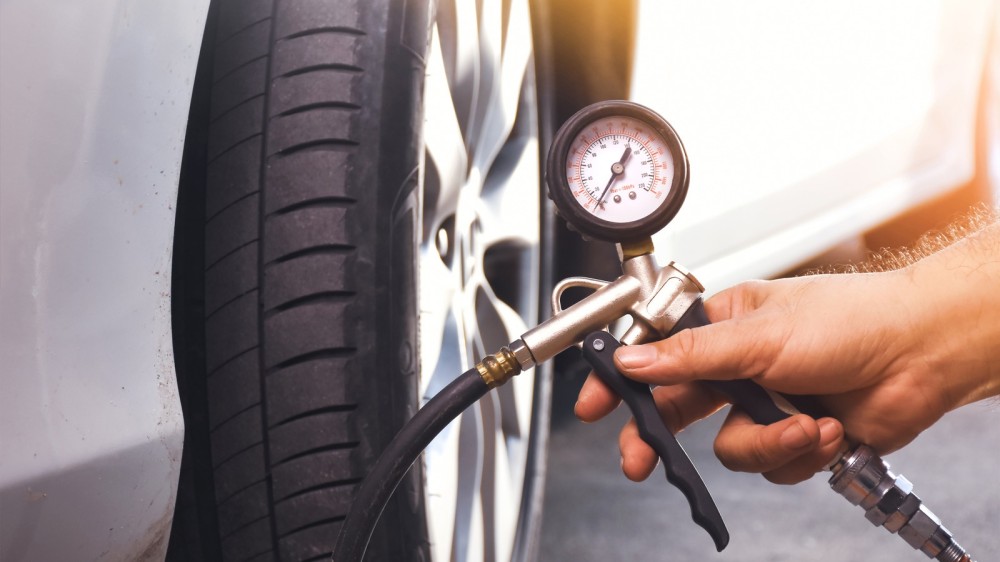
The important distinction is between adding air to a genuinely low tire and releasing air simply because a warm tire has risen above its cold target.
A portable compressor makes this easier because it allows the tires to be adjusted before driving. It also avoids the familiar scene at a busy fuel station where a tired air hose, a questionable gauge and three impatient cars are waiting to influence the decision.
The sidewall number is not the target
There is another number that causes trouble: the pressure molded into the tire’s sidewall.
That figure is associated with the tire’s maximum load and inflation limits. It is not necessarily the pressure the vehicle manufacturer recommends for everyday driving. The correct target is normally found on the placard inside the driver’s door opening or in the owner’s manual.
Front and rear pressures may differ. A heavily loaded vehicle may also have separate recommendations, particularly on vans, trucks and performance cars. Guessing based on appearance is unreliable because modern radial tires can look slightly soft even when properly inflated.
Nitrogen does not change the basic rule, either. Nitrogen-filled tires still gain pressure as they warm and still lose pressure gradually over time.
When a higher reading is not harmless
A predictable rise across all four tires after driving is normal. One tire climbing far more than the others is not something to dismiss.
Uneven pressure changes can accompany an incorrect starting pressure, heavy loading or a tire problem. Excessive heat around one wheel may also come from a dragging brake or failing bearing rather than the tire itself. A burning smell, smoke, unusual vibration or a wheel that feels dramatically hotter than the others calls for attention.
Do not touch brake components to compare temperatures. They can become hot enough to cause serious burns.
Pressure should also be rechecked if the car has recently been heavily loaded, towed a trailer or experienced a major change in ambient temperature. NHTSA recommends regular cold-pressure checks, including the spare where one is fitted.
The warm reading on the dashboard may look untidy, but tires do not care about making all the numbers match the sticker at every moment of the journey. They care about starting with the correct cold pressure.
Set them cold. Let them warm naturally. When the numbers rise on the highway, leave the valve caps alone.