
Stuck at the Pump? Your Fuel Door May Have a Release Hidden in the Boot
by AutoExpert | 29 October, 2026
A stuck fuel door may have a manual release accessible from the luggage compartment. First check that the car is unlocked, then consult its handbook for the correct procedure. Some cars have a release cord behind a small access panel, but the arrangement varies.
The fuel flap is the sort of thing nobody thinks about until it refuses to open. Then it becomes the most important part of the car.
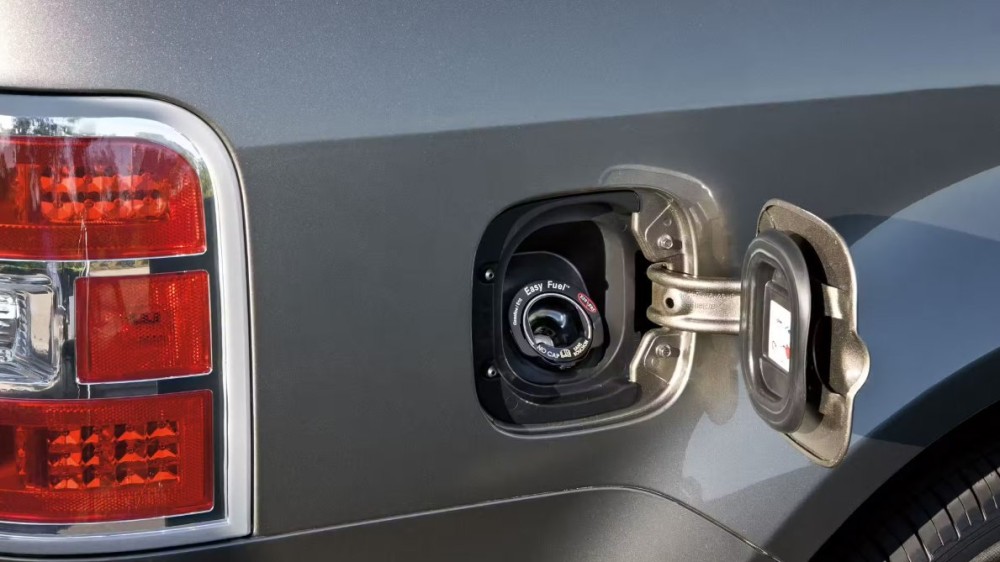
Usually, this happens beside a pump, with the engine switched off and another driver waiting behind. A second press on the flap achieves nothing. Neither does unlocking the car again. Before long, someone is looking for a key or a screwdriver thin enough to fit around the edge.
Leave the paintwork alone for a moment. The way in may be through the boot.
Some manufacturers provide a manual release for precisely this situation. On the 2016 Volvo V70, for example, it sits behind a side access hatch in the luggage compartment, on the same side as the fuel filler. Open that hatch and look for the green cord with a handle. Volvo instructs the owner to pull it gently straight backwards until the flap releases with a click. Very little force should be needed.
It’s a useful detail to know, particularly if the alternative appears to be spending the next hour at a petrol station. But check the instructions for the actual car before reaching behind the trim. The release may look different, sit elsewhere or be absent altogether.
Even Volvo’s V40 instructions describe the operation slightly differently: pulling the line releases the lock so the flap can then be opened from outside. The handbook illustration helps identify the right part.
Before unpacking the boot, though, make sure the normal unlocking procedure has been followed. A fuel door linked to the central locking can remain locked when the driver thinks the whole car has been unlocked. The V40’s handbook, for instance, specifies unlocking the fuel flap with the remote key.
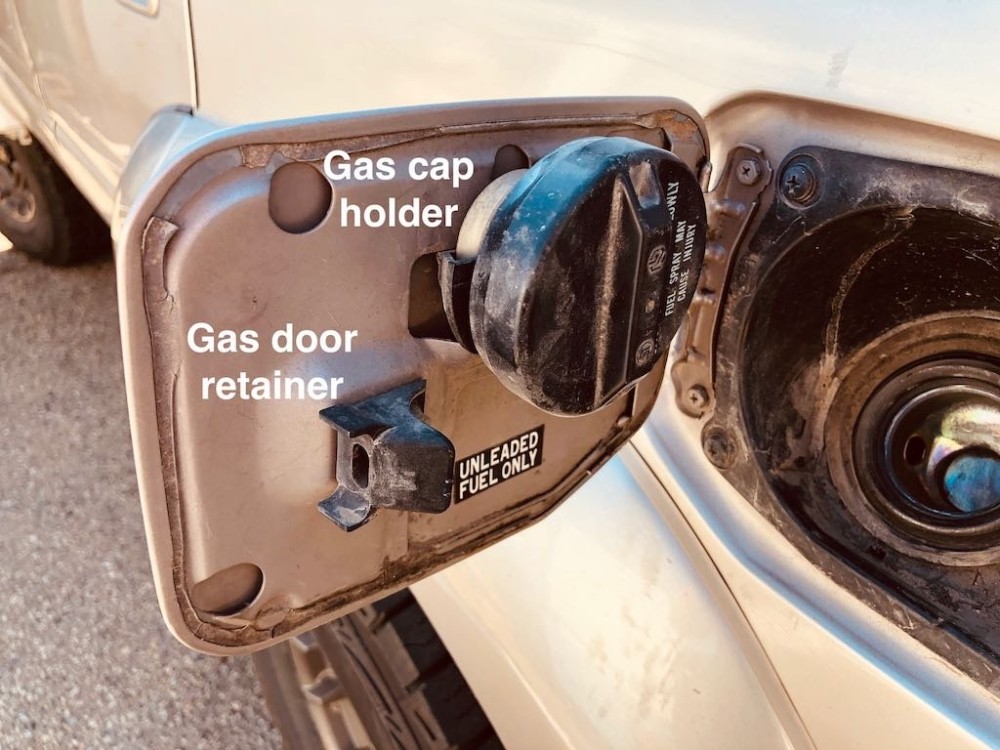
If a manual release is fitted, use it as directed. A cord that won’t move with the gentle pull described in the instructions is a reason to stop and get help, rather than brace a foot against the boot and pull harder. Likewise, there’s little to gain from removing large pieces of trim without knowing what sits behind them.
Getting the flap open solves the immediate problem. It still leaves the original fault to investigate. Mention whether the release button made any sound, whether the other locks worked and whether this has happened before.
For now, the useful discovery is that a stubborn flap doesn’t necessarily require an attack from outside. Sometimes the manufacturer has already provided a way to open it. It’s just hidden behind the luggage.