

Fabric Softener Could Explain Why Your Expensive Car Towel Stopped Working
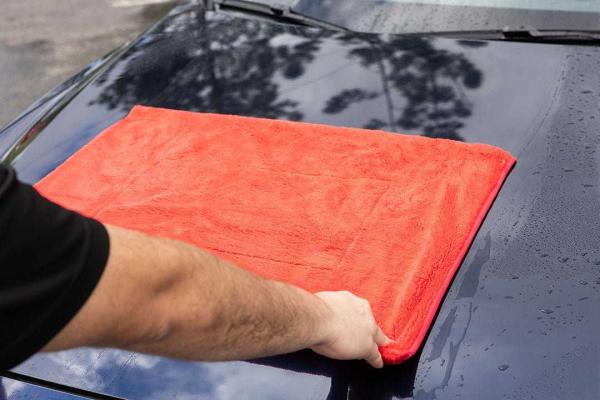
by AutoExpert | 21 October, 2026
When a microfiber towel starts pushing water around, residue may be coating its fibers. Fabric softener, dryer sheets and detailing products can all interfere with absorption. A wash following the towel’s care instructions may help, provided the fibers have not been damaged.
The towel was brilliant when it was new. One pass across the bonnet took most of the water with it, and the whole car seemed to dry before you had time to get bored.
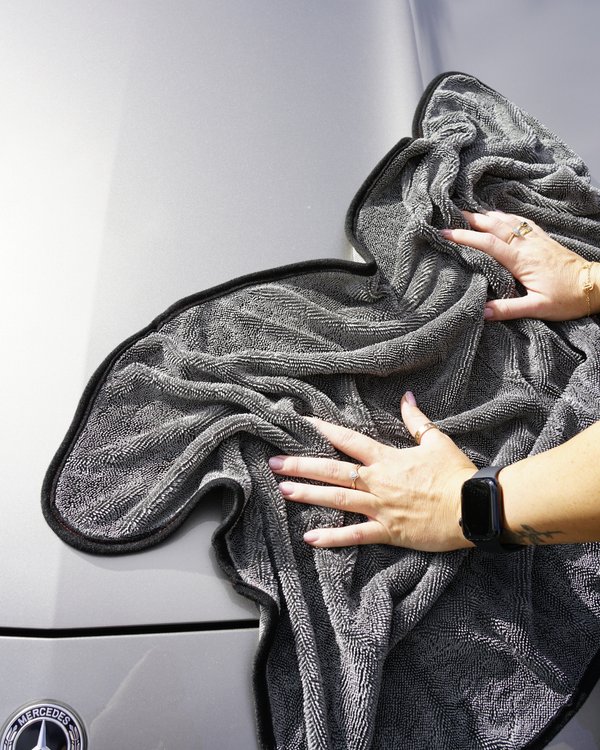
Now it leaves a wet trail. You fold it, try another side and wonder whether you imagined how well it used to work.
Before buying a replacement, think about its last trip through the washing machine.
A drying towel can easily end up in the household wash. It looks like laundry, after all. Add the usual detergent and softener, tumble it with the towels, put it back in the car-cleaning box. Nothing about that sounds particularly destructive.
But fabric softener can clog microfiber and reduce its performance. Dryer sheets can leave a coating too. The towel may come out feeling pleasant while becoming much less useful for the job you bought it to do.
There may already have been something in it that needed more attention. Was it used to buff a spray wax? Did it become the nearest available cloth when some dressing spilled? Those products can leave residue that an ordinary wash fails to remove.
Check the care label before trying to rescue it. The Rag Company recommends a suitable detergent, thorough rinsing and no softener. It also advises washing microfiber separately from cotton, whose loose lint can become caught in the fibers.
Keeping a drying towel for drying makes this easier. Give the wheel cloths and greasy door-jamb towels their own place, so nobody has to conduct a forensic examination of the laundry pile on Sunday morning. Different colours help, especially when several people use the same supplies.
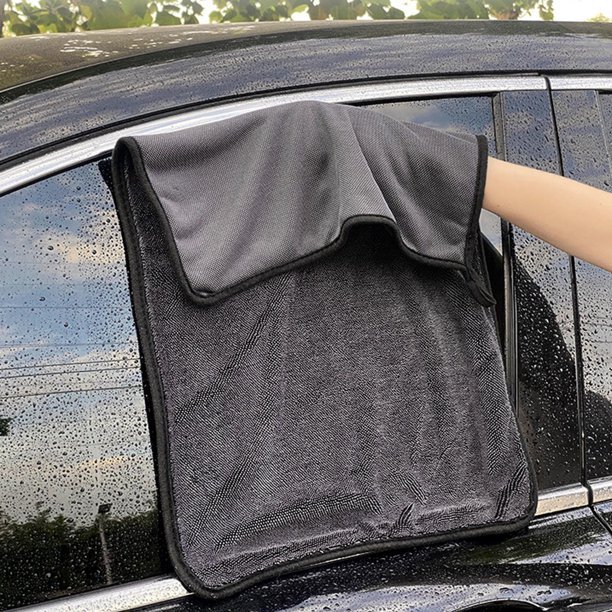
Be careful with the dryer as well. More heat will not necessarily produce a better result. The Rag Company recommends low heat, no heat or air drying; follow the limit specified for your particular towel.
Once it is clean, try it again on a wet panel. If it absorbs properly, there is no reason to retire it because it had a bad few washes. If it still struggles, stop pressing harder and making repeated passes in the hope that effort will compensate.
Some towels can be cleaned back into service. Others have had enough, particularly if heat has damaged the fibers. A disappointing drying towel may still be useful for a less demanding task, as long as it is clean and suitable for that surface.
When you do buy another, put its washing instructions somewhere you will remember them. Otherwise, it is remarkably easy to spend good money on a lovely absorbent towel, then give it exactly the same treatment that spoiled the last one.