

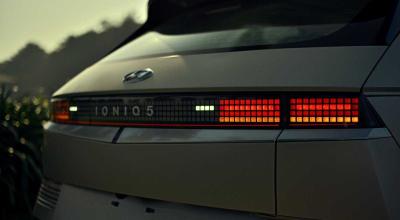
In a conventional car, the relationship between the brake pedal and the brake lights feels reassuringly simple. Press the pedal and the red lamps illuminate. Release it and they go dark. Drivers be
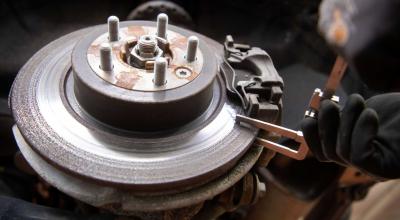
The usual explanation sounds perfectly logical. When a car slows down, its weight moves toward the front. The front tires carry more load, so the front brakes provide more of the stopping force. That
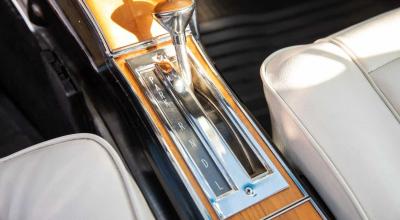
A driver can move between unfamiliar modern cars and still understand the transmission selector within seconds. Park sits at one end, followed by Reverse, Neutral and Drive. Lower ranges, manual modes
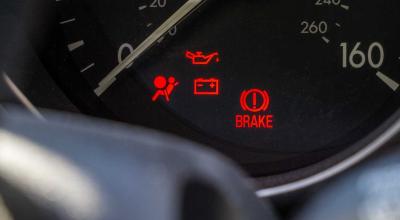
The parking brake has been released, but the red warning light remains on. The first reaction is usually to pull the lever again or press the parking-brake switch a few times. Perhaps the sensor
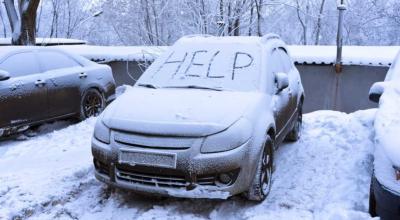
The brake pedal is down. The engine may even be running. Yet the gear lever remains planted in Park with the determination of a fence post. Pulling harder rarely improves the situation. It can, how
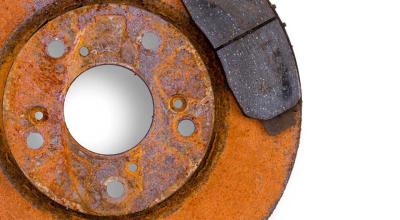
Wash a car in the evening and look through its wheels the next morning. The brake rotors may have turned bright orange. The change can happen quickly enough to feel impossible. The discs looked cle
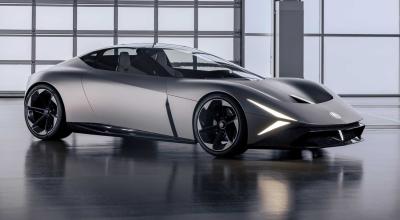
Acura has built a sports car that looks ready to steal the spotlight from the NSX, then immediately told us we can’t buy it. That may be the most frustrating part of the Nexera Vision, a dramati
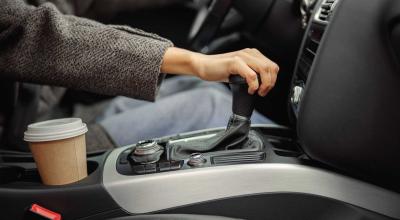
Shift an automatic car into Drive, release the brake and it begins moving without a touch of the accelerator. The movement is usually gentle. Just enough to edge forward in traffic, ease into a par

Cruise control feels wonderfully precise on a flat highway. Set it to 65 mph and the speedometer settles into place, leaving the car to handle the small adjustments that a human ankle normally makes.
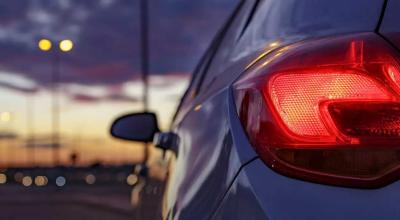
A car sits empty in the driveway, engine off and doors locked, yet all three brake lights are glowing as though an invisible driver has a foot planted on the pedal. It looks like a wiring problem. Pos