
Your Car Will Not Leave Park. The Escape Route May Be Under a Tiny Plastic Cover

by AutoExpert | 1 September, 2026
The brake pedal is down. The engine may even be running. Yet the gear lever remains planted in Park with the determination of a fence post.
Pulling harder rarely improves the situation. It can, however, turn a relatively simple electrical problem into a broken shifter.
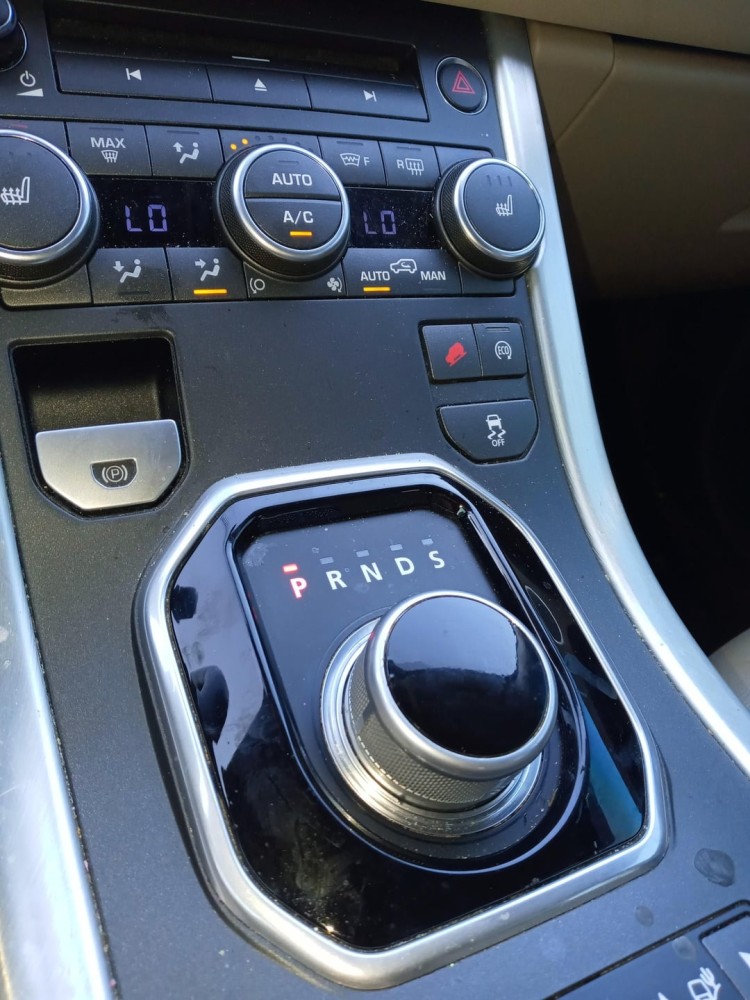
Many automatic cars have an emergency way out. Look around the gear selector and there may be a small square or rectangular plastic cover, often too discreet to attract any attention. Beneath it sits the shift-lock override.
Why automatic cars lock the shifter
An automatic transmission should not leave Park because a child bumped the lever or a driver reached for Reverse without pressing the brake.
The shift-lock system prevents that movement. When the driver presses the brake pedal, an electrical signal allows a small solenoid to release the shifter. The lever can then move normally.
Several components must cooperate. The car needs electrical power, the brake-pedal switch must register the driver’s foot and the shift-lock mechanism must respond.
A weak or dead 12-volt battery can interrupt the process. So can a blown fuse, faulty brake-light switch, damaged wiring or failed shift-lock solenoid.
One useful clue may be sitting behind the car. If the brake lights remain dark when the pedal is pressed, the same missing signal may also be keeping the transmission in Park.
The tiny cover provides mechanical access
On many vehicles with a conventional gear lever, the plastic cover beside the shifter hides a mechanical release.
The exact procedure varies. A typical sequence involves applying the parking brake, keeping the brake pedal firmly depressed, removing the cover and pressing the release with a screwdriver or the vehicle’s key while moving the lever.
Mazda’s owner instructions, for example, tell the driver to remove the cover with a cloth-wrapped flat screwdriver, push down on the override and then move the selector lever while holding the normal lock-release button.
Toyota uses a similar arrangement on various models, although the shape and location differ. The RAV4 manual describes holding the override button while operating the button on the shift knob.
The owner’s manual should be checked before poking anything into an unfamiliar opening. A USB port and a shift-lock release are very different things, despite both being excellent places to lose a small screwdriver.
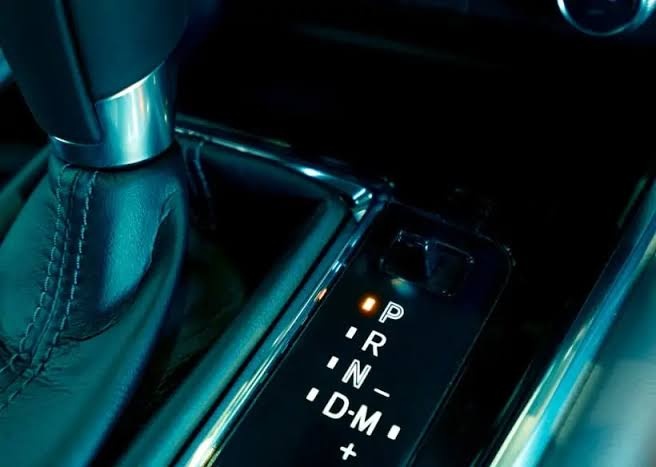
Releasing Park does not repair the fault
The override mechanically bypasses the lock. It does not restore a dead battery, repair the brake-light circuit or convince a failed solenoid to return to work.
Once the transmission enters Neutral, the vehicle may roll. The parking brake should therefore be applied firmly, the brake pedal held down and the area around the car kept clear. Extra caution is needed on a slope.
The override is mainly useful when a vehicle must be moved out of a garage, positioned for a tow truck or cleared from a dangerous location.
Driving away without understanding the cause can create another problem. A failed brake-light switch may leave following drivers with no warning when the car slows. Older Ford manuals specifically connect shift-lock trouble with the possibility of blown fuses and inoperative brake lamps.
Newer shifters may play by different rules
Electronic selectors complicate the story. Some shift-by-wire vehicles have no direct mechanical connection between the cabin control and the transmission. A familiar-looking slot may be absent, and placing the car in Neutral with a dead battery can require a model-specific procedure.
Electric parking brakes can add another obstacle because they also need electrical power to release. Tow mode, neutral hold and emergency power procedures differ widely between vehicles.
Forcing an electronic selector achieves little beyond producing an unpleasant plastic sound.
A car stuck in Park has usually lost one piece of the permission chain between the brake pedal and the shifter. The tiny override can help move the vehicle, but the reason for the lockout still needs to be found.
Consider the hidden button an emergency exit, not a permanent key.