Your Automatic Car Moves Without the Accelerator, and It Is Usually Doing Exactly What It Should
by AutoExpert | 7 August, 2026
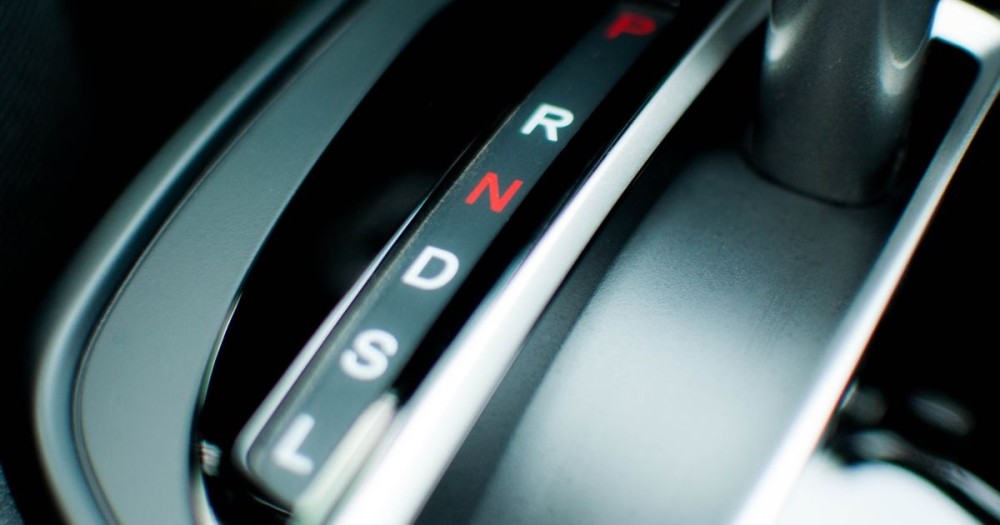
Shift an automatic car into Drive, release the brake and it begins moving without a touch of the accelerator.
The movement is usually gentle. Just enough to edge forward in traffic, ease into a parking space or make a nervous new driver press the brake again rather quickly.
This behavior is called creep. It feels so natural that most drivers assume every automatic vehicle must do it for the same reason. They do not.
A traditional automatic, a dual-clutch transmission and an electric car can all creep forward, but what is happening underneath may be completely different.
Where traditional automatic creep comes from
A conventional automatic transmission commonly uses a torque converter between the engine and gearbox. It performs some of the work handled by a clutch in a manual car, but it does so through fluid rather than a direct mechanical connection during low-speed operation.
With the engine idling and the selector in Drive, the engine side of the converter is already turning. The fluid inside transfers a small amount of torque to the transmission, even though the accelerator is untouched.
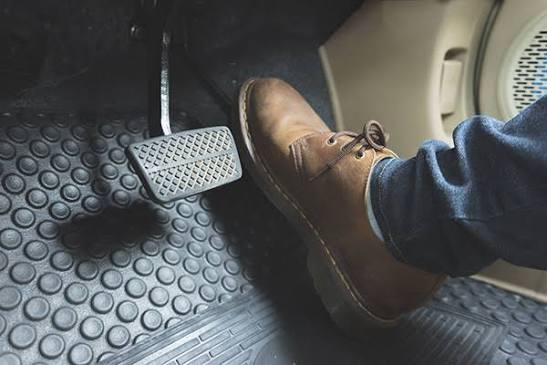
Holding the brake prevents the car from moving. Release it, and that small amount of torque can turn the wheels.
This is also why an automatic car may creep more eagerly when the engine is idling faster. A cold engine often runs at elevated rpm shortly after startup, while the air conditioner or other loads can also alter idle behavior. The movement should still remain predictable and easy to control with the brake.
Creep became one of the familiar characteristics of automatic driving. It is useful when inching through congestion and helps make parking smooth, particularly on level ground.
Useful does not mean harmless in every situation. The brake should remain pressed whenever the car is stopped in Drive. Relying on gentle creep to hold the vehicle on a slope is a poor substitute for proper pedal control.
Some transmissions have to create the sensation
A dual-clutch transmission is mechanically closer to an automated manual. It uses clutches rather than a traditional torque converter, which means its natural low-speed behavior can feel different.
Manufacturers often manage those clutches electronically to produce familiar creep when the brake is released. The driver receives the smooth automatic-car behavior expected in traffic, even though the machinery creating it has changed.
That simulated creep produces a delicate engineering compromise. A clutch must slip to move the car very slowly, and prolonged slipping creates heat. Holding a dual-clutch car on an incline with the accelerator can therefore be harder on the transmission than simply using the brake.
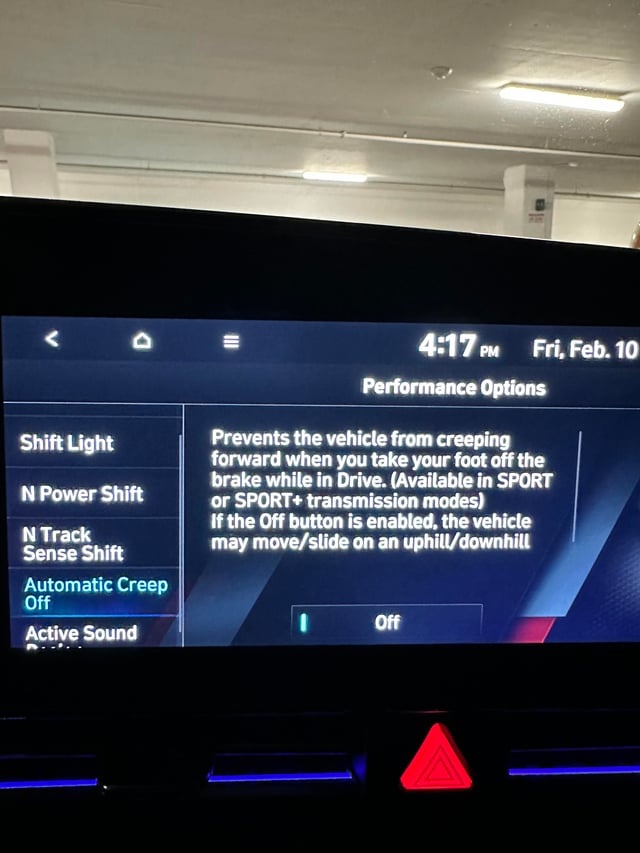
Some performance models allow creep to be disabled. Hyundai, for example, offers a Creep Off function on certain N models. With the function active, releasing the brake in Drive does not automatically send the car forward.
Toyota’s Lexus LFA provides another revealing example. Its dry single-plate automated transmission does not naturally produce the slow creep associated with a conventional automatic.
Electric cars make the distinction even clearer. An electric motor does not need to idle while the vehicle is stationary. There is no mechanical reason for the car to crawl forward simply because Drive has been selected.
Many EVs do it anyway.
The manufacturer programs the motor to produce gentle forward movement when the brake is released, largely because decades of automatic-car driving have trained people to expect it. Some models let the driver reduce or disable this behavior, particularly when one-pedal driving is available.
When creep deserves attention
A small, steady movement is normal. A sudden lunge is not.
If the car pushes unusually hard against the brakes, the engine may be idling too quickly. Possible causes range from a cold-start strategy to a vacuum leak, dirty throttle body, sensor problem or incorrect engine management. The exact diagnosis depends on the vehicle.
Creep accompanied by violent shuddering, delayed engagement, grinding or a heavy thump when Drive is selected also deserves inspection. Those symptoms are no longer about the ordinary pull of an automatic transmission.
Drivers should be particularly cautious immediately after starting the engine, shifting between Reverse and Drive or maneuvering close to a wall. The brake pedal should control the car’s speed, with the accelerator added only when genuinely needed.
Automatic creep feels like one simple behavior from the driver’s seat. Underneath, it may come from swirling transmission fluid, carefully controlled clutches or a line of software telling an electric motor to imitate a century-old habit.
The car moves in every case. The reason has changed considerably.