

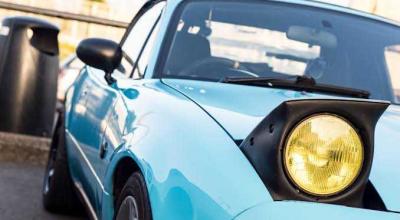
Few automotive features can make a parked car look as alive as pop-up headlights. Turn the switch and two neat sections of bodywork rise from the hood, pause with theatrical precision and reveal the l
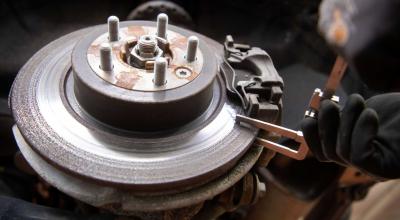
The usual explanation sounds perfectly logical. When a car slows down, its weight moves toward the front. The front tires carry more load, so the front brakes provide more of the stopping force. That
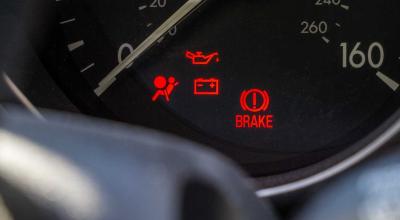
The parking brake has been released, but the red warning light remains on. The first reaction is usually to pull the lever again or press the parking-brake switch a few times. Perhaps the sensor
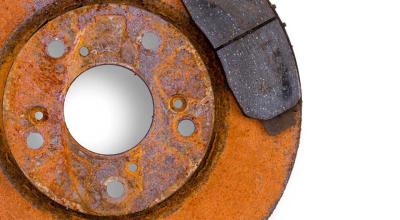
Wash a car in the evening and look through its wheels the next morning. The brake rotors may have turned bright orange. The change can happen quickly enough to feel impossible. The discs looked cle
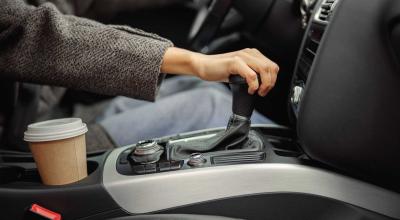
Shift an automatic car into Drive, release the brake and it begins moving without a touch of the accelerator. The movement is usually gentle. Just enough to edge forward in traffic, ease into a par
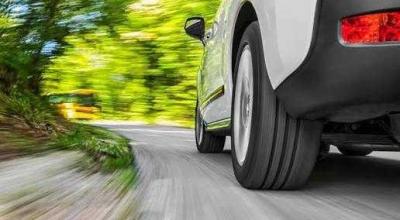
The car drifts gently toward the shoulder, and suspicion immediately falls on the alignment. That is understandable. A car should travel where it is pointed, and anything that seems to tug at the s
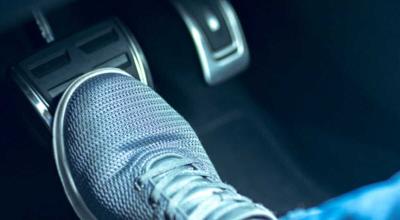
There is no graceful way to discover how ABS feels for the first time. Something enters the road. The brake pedal goes down hard. Then, at precisely the moment when calm would be useful, the pedal beg
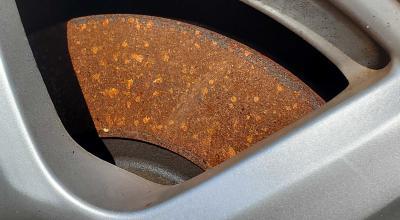
The car looked spotless when it was parked. Then it rained overnight, or perhaps the wheels received an enthusiastic blast at the car wash. By morning, the shiny brake rotors had turned orange. Not sl
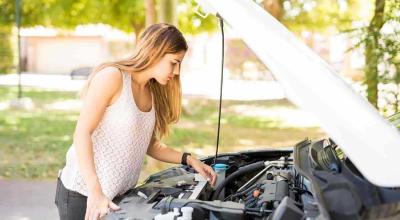
Fifty-three and a half percent. That’s how many roadside breakdowns come down to tires, not engines or mysterious sensors—just rubber that never got a second glance before a family pil
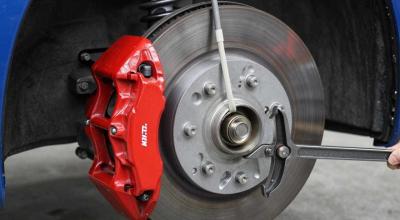
Brakes scare people. And honestly? Fair enough. You’re dealing with the one system standing between your car and an extremely expensive meeting with the back of somebody else’s SUV.