
Your Brake Rotors Turned Orange Overnight. Here Is When to Worry
by AutoExpert | 20 July, 2026
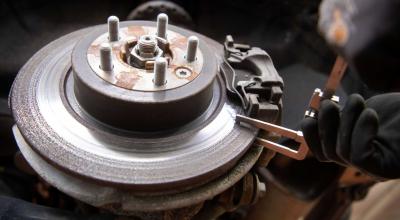
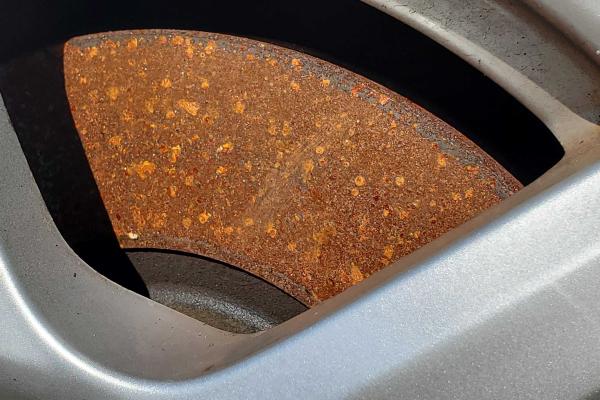
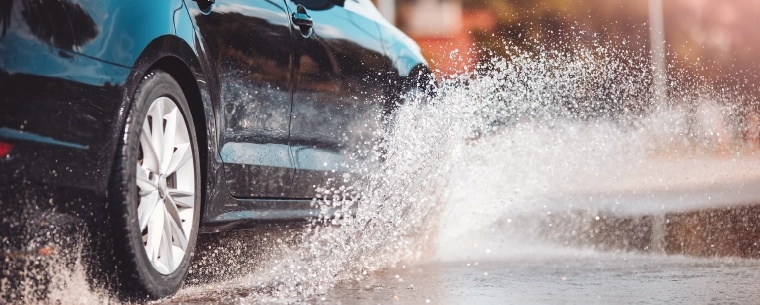
The car looked spotless when it was parked. Then it rained overnight, or perhaps the wheels received an enthusiastic blast at the car wash. By morning, the shiny brake rotors had turned orange. Not slightly discolored. Orange enough to suggest that several years of neglect somehow happened between dinner and breakfast.
It looks terrible. Most of the time, it is completely normal. Brake rotors are commonly made from cast iron. It is strong, handles heat well, and provides the friction surface needed for the brake pads to slow the car. It also rusts with remarkable enthusiasm when moisture and oxygen arrive at the same time.
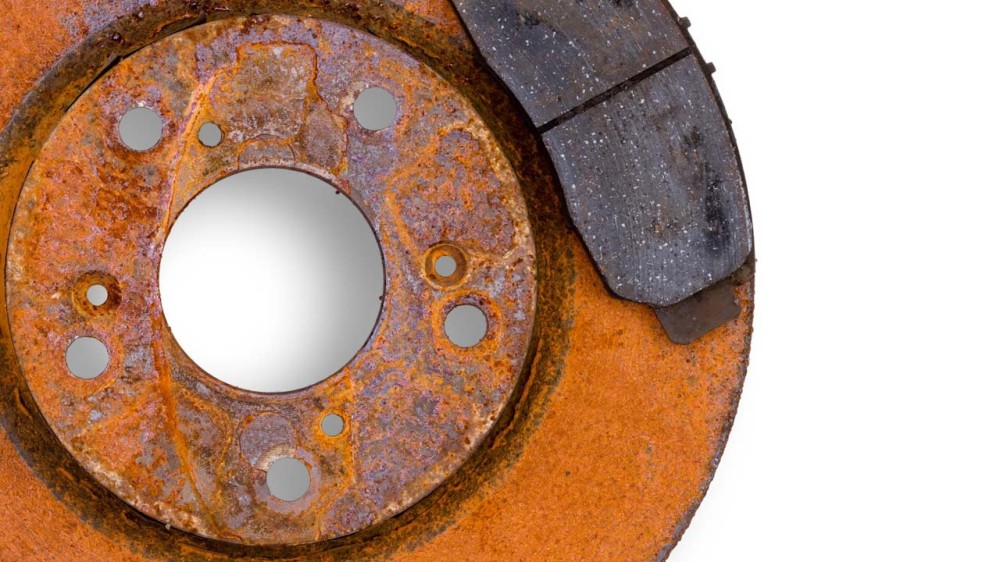
The working surface of the rotor cannot remain covered in ordinary paint because the brake pads clamp directly against it. Some rotors have protective coatings on the hub, edges, and cooling vanes, but the pad-contact area becomes bare metal once the brakes are used.
Add rain, humidity, snow, or rinse water and a thin orange film can appear within hours.
On the next drive, the brake pads usually scrub that film away. The first few stops may sound slightly rough. A brief scraping or faint squeal can accompany the process, particularly if the car has been sitting for several damp days.
After several normal brake applications, the rotor faces should begin looking bright again and the noise should fade.
That is harmless surface rust.
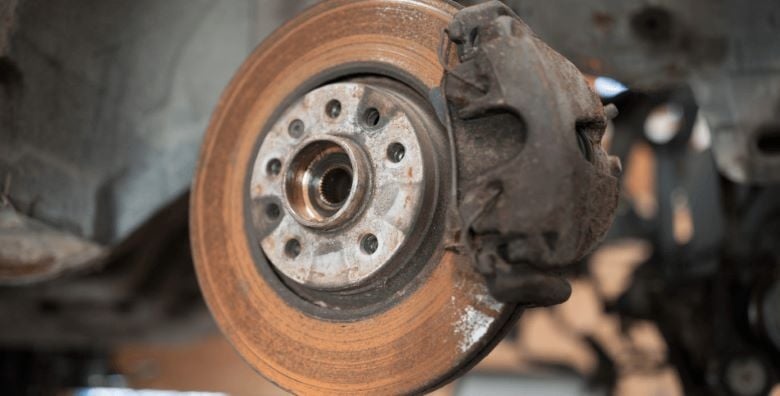
It can be dramatic because rust occupies more volume than the iron from which it forms, so even a very thin layer looks worse than it is. The brakes have not suddenly reached the end of their life. They are simply wearing off the evidence of last night’s weather.
Electric and hybrid cars can make the situation more noticeable.
These vehicles often slow through regenerative braking, using the motor to recover energy rather than relying entirely on the friction brakes. That is excellent for efficiency and brake-pad life, but it means the rotors may spend less time being polished by the pads.
A gasoline car might clean its rotors during the first few intersections. A heavily regenerative EV can reach those same intersections while barely touching its friction brakes. The orange film gets to stay a little longer.
Some vehicles periodically apply the brakes lightly to keep the rotors clean. Others blend regenerative and friction braking automatically. Even so, cars that sit outside, travel short distances, or spend winter surrounded by road salt can develop more persistent corrosion.
The dividing line is not really the color. It is what happens after the car is driven.
If the orange film disappears after several gentle stops and the brakes return to normal, there is usually nothing to repair. There is no need to sand the rotors, spray them with anything, or schedule an emergency brake job because of one rainy night.
If the roughness remains, that is a different matter.
Rust can become deep enough to pit the rotor surface when a vehicle sits for weeks or months, particularly in damp or salty conditions. The pads may clean the high spots while leaving dark, rough patches behind. That uneven surface can produce ongoing noise, vibration, and inconsistent braking.
A car left parked with wet brakes may also develop pad-shaped marks on the rotors. The section trapped beneath the pad corrodes differently from the exposed area, leaving an uneven patch that the driver may feel through the pedal.
Persistent pulsing during braking deserves attention. So does pulling to one side, reduced stopping ability, a brake that seems to remain stuck, heavy grinding, or a rotor that stays rough and orange after normal driving.
Deep grooves and flaky corrosion are not cosmetic. Neither is rust attacking the rotor’s edges, cooling vanes, mounting area, or the components around it.
Road salt makes everything less forgiving. It reaches calipers, pad hardware, shields, and parking-brake components, where corrosion can prevent parts from moving freely. The rotor face may clean itself, but the hidden hardware does not enjoy the same treatment.
Drivers in wet or snowy climates should have the braking system inspected regularly, not simply admire whichever portions are visible through the wheel spokes.
And there is one thing rusty brakes should never receive: lubricant.
A temporary squeal can be irritating, but spraying oil, silicone, penetrating fluid, or any other lubricant onto the rotor contaminates the exact surfaces that must create friction. The noise may disappear. So may a meaningful portion of the car’s braking ability.
If the brakes are noisy and the cause is unclear, let a technician inspect them.
Owners who wash their cars before storing them can reduce surface rust by taking a short drive afterward and using the brakes normally. This helps dry the rotor faces before the vehicle sits. There is no need for hard stops or theatrical braking. A few ordinary applications are enough.
For longer storage, a dry garage helps, as does removing winter salt before the car is parked. Coated replacement rotors can slow corrosion on the non-friction areas, although they cannot keep the working surface permanently covered.
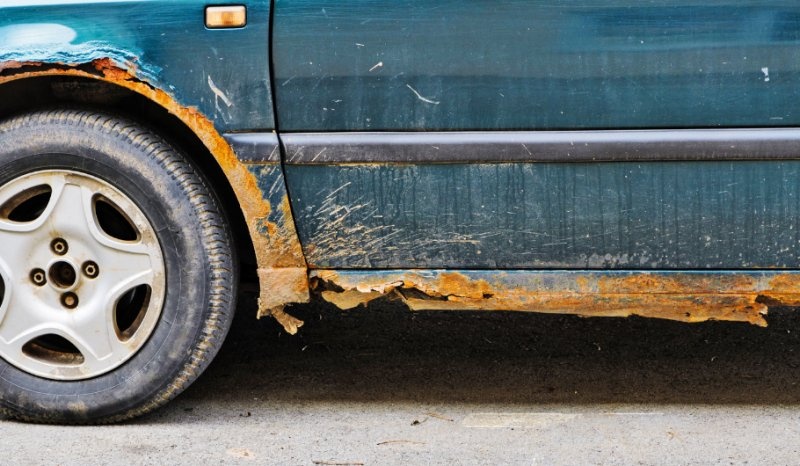
A little rust on brake rotors is one of those automotive sights that looks far more serious than it usually is. The brakes will often remove it before the driver reaches the end of the street.
The concern begins when the orange disappears but the grinding, pulsing, pulling, or roughness decides to stay.