

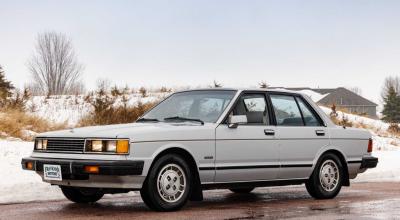
A new car speaking to its driver no longer feels remarkable. Navigation systems issue directions, safety assistants complain about lane markings and voice controls wait patiently for somebody to remem
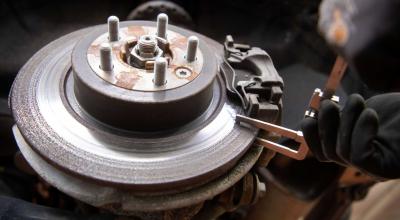
The usual explanation sounds perfectly logical. When a car slows down, its weight moves toward the front. The front tires carry more load, so the front brakes provide more of the stopping force. That
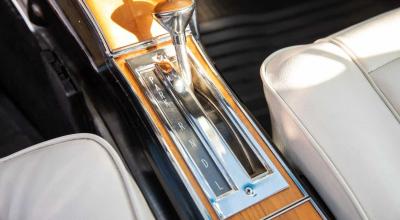
A driver can move between unfamiliar modern cars and still understand the transmission selector within seconds. Park sits at one end, followed by Reverse, Neutral and Drive. Lower ranges, manual modes
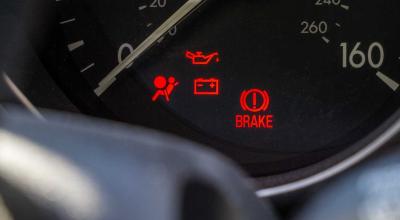
The parking brake has been released, but the red warning light remains on. The first reaction is usually to pull the lever again or press the parking-brake switch a few times. Perhaps the sensor

The Mazda MX-5 has been around since 2015, yet its formula still works: small size, low weight, and a simple sports-car layout. For 2027, Mazda makes a major change in the UK. The 2.0-liter engine lea
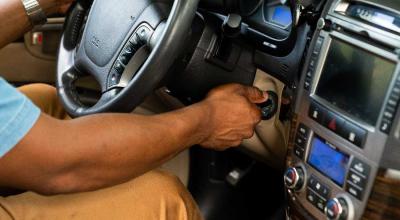
The key slides into the ignition normally, but refuses to turn. The steering wheel feels almost solid. Trying harder only makes the key flex in a way no piece of metal that small should ever flex.
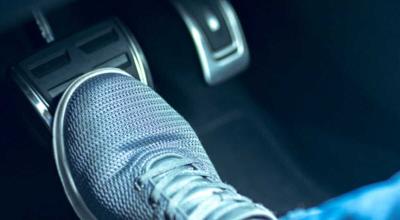
There is no graceful way to discover how ABS feels for the first time. Something enters the road. The brake pedal goes down hard. Then, at precisely the moment when calm would be useful, the pedal beg
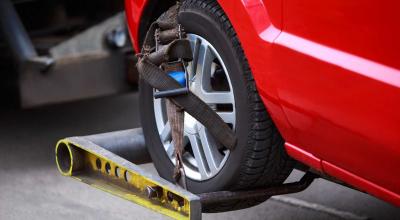
Neutral has a reassuring name. It sounds harmless, disconnected and mechanically impartial. Put the selector in N, release the parking brake and the car can roll. Surely that means it can also be towe
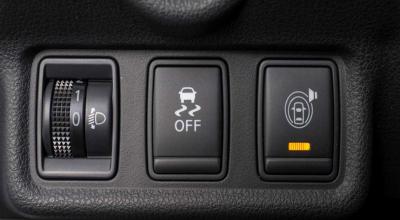
There is something wonderfully unhelpful about the traction-control symbol. It shows a car wriggling across the road, which makes the button beside it look like the obvious thing to press when the roa
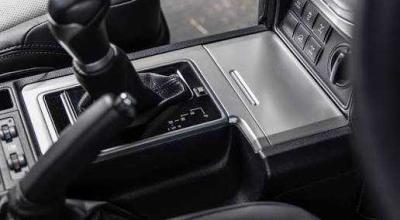
A dead battery is annoying in any parking space. It becomes considerably more awkward when the car is nose-first inside a garage and the tow truck needs it in Neutral. The brake pedal feels normal.