
The Skidding-Car Button Should Stay On, Except When It Is Keeping You Stuck
by AutoExpert | 29 July, 2026
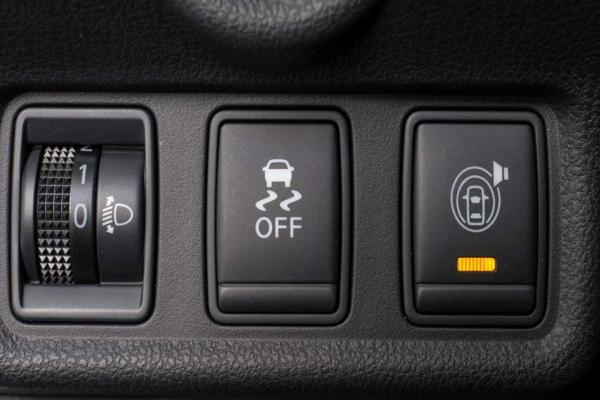
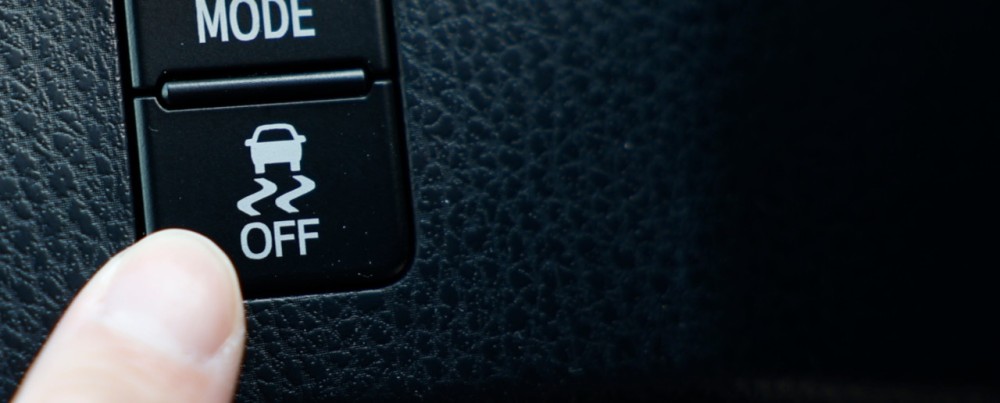
There is something wonderfully unhelpful about the traction-control symbol. It shows a car wriggling across the road, which makes the button beside it look like the obvious thing to press when the road becomes slippery.
Snow outside? Press the snow-looking button. Seems reasonable.
Unfortunately, that is usually the exact opposite of what the car needs.
Traction control is designed for the moment a tire tries to turn into an enthusiastic smoke machine while the rest of the vehicle barely moves. It watches the speed of the wheels and notices when one is spinning much faster than the others. The system can then reduce engine power, apply a brake to the slipping wheel, or do both.
On wet asphalt, packed snow, ice, gravel and other low-grip surfaces, that intervention can make the difference between pulling away neatly and sitting there polishing the road with one tire.
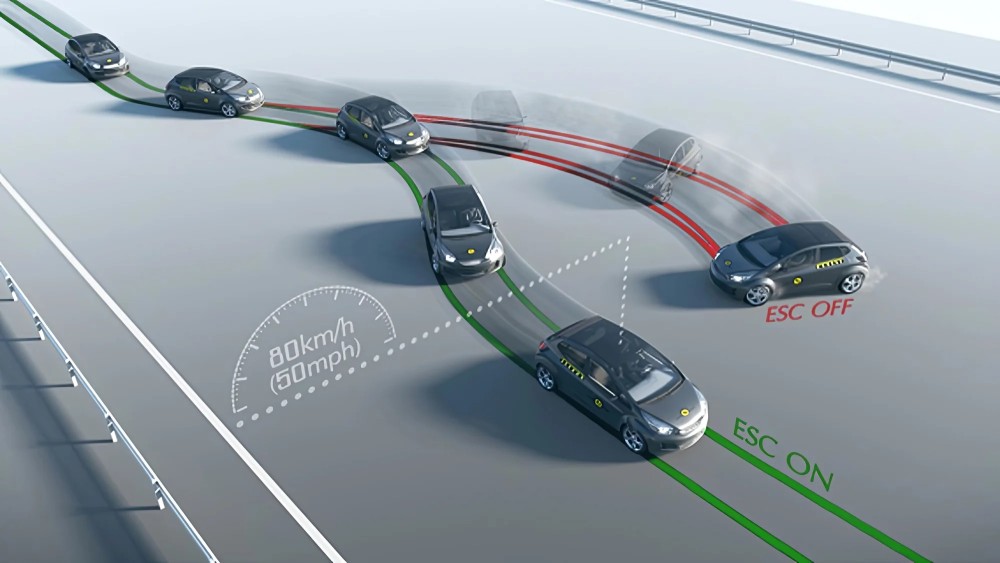
The closely related stability-control system has a larger job. It compares where the driver is pointing the steering wheel with where the car is actually going. If those two directions begin having a serious disagreement, the system can reduce power and brake individual wheels to help bring the car back into line.
Honda, for example, describes its Vehicle Stability Assist system as using engine control and selective braking to improve traction and stabilize the vehicle during cornering. It also recommends leaving the system active during normal driving. Chech Honda VSA guidance for details.
So why provide an off button at all?
Because there is one situation in which helpful electronics can become a little too helpful: when the car is already stuck.
Picture a vehicle sitting in fresh snow with its driven wheels buried just deeply enough to make leaving awkward. The driver presses the accelerator. A wheel starts spinning, the system steps in and cuts the power, and the car moves six inches before giving up. Another attempt produces the same result.
At that point, a little controlled wheelspin may be useful. It can clear loose material from around the tread, help the tire reach firmer ground or allow the car to build enough momentum to climb out of a shallow rut. Some owner’s manuals specifically allow traction control to be reduced temporarily for this reason. Honda notes that switching it off may help free a vehicle from shallow mud or fresh snow when ordinary attempts have failed.
That does not mean flooring the accelerator until the wheel disappears into a cloud of snow. Excessive spinning can dig the vehicle in more deeply, overheat tires and place considerable strain on the drivetrain.
Use gentle throttle. Straighten the front wheels where possible. Clear packed snow from around the tires and underneath the car. If the vehicle has Snow, Mud or Sand modes, try the appropriate setting before reaching for the off button. Those modes may adjust throttle response, transmission behavior and traction-control thresholds without removing the electronic safety net altogether.
Once the car is moving, switch traction control back on. It is not a special snow-driving mode, and disabling it does not create more grip. It simply allows more slip before the car intervenes.
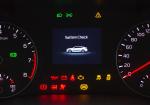
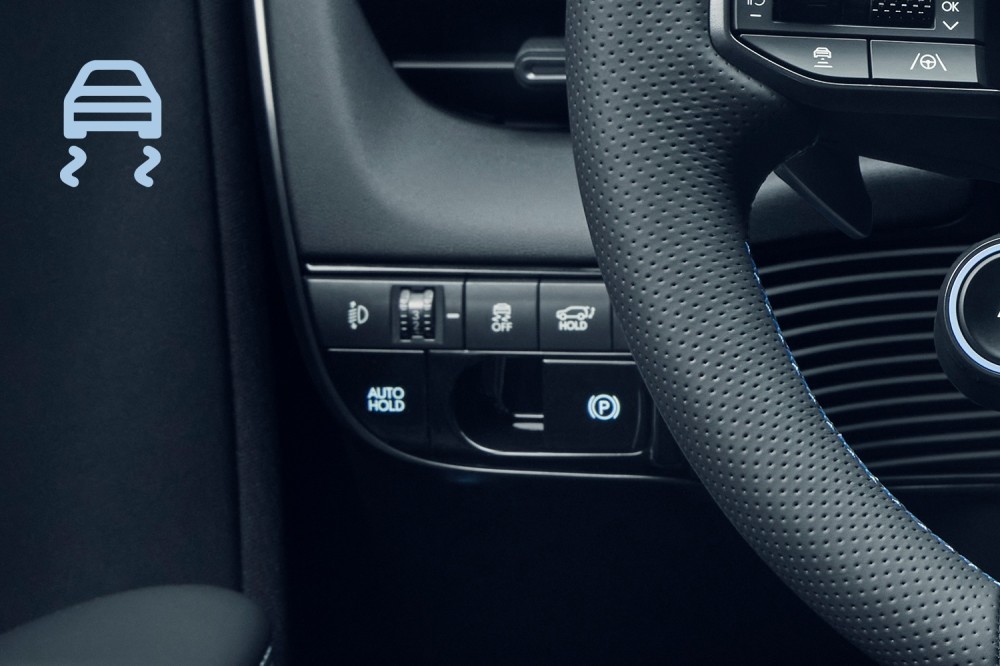
There is another complication hiding behind that single button. A short press may reduce traction control, while a longer press may also relax parts of the stability-control system. On some cars, the system never switches off completely. On others, it automatically returns the next time the engine starts. The symbol may also mean something different when it flashes than when it stays illuminated.
A flashing light generally means the system is actively working. A light that remains on may indicate that it has been disabled or that a fault has been detected. The owner’s manual is the only reliable way to decode the exact behavior of a particular model.
What about drivers who switch it off because they prefer to “control the car themselves”? On a racetrack, with space, training and predictable surroundings, that may be part of the exercise. On an ordinary road, the system can react to a developing slide by braking individual wheels faster and more precisely than a driver can manage with one brake pedal.
It cannot cancel the laws of physics. Enter a frozen corner far too quickly and no dashboard button will negotiate a better outcome. Tires still matter enormously, as do speed, steering smoothness and following distance.
But traction control and stability control can rescue a small mistake before it becomes a large one. That is why the skidding-car button is best treated as an escape tool, not a winter setting.
If the vehicle is stuck and the electronics will not allow enough wheelspin to get it moving, switching traction control off briefly may help. For almost everything that happens after the car escapes, it belongs back on.