
Your Ignition Key Feels Trapped, but the Car May Only Need One Gentle Movement

by AutoExpert | 11 August, 2026
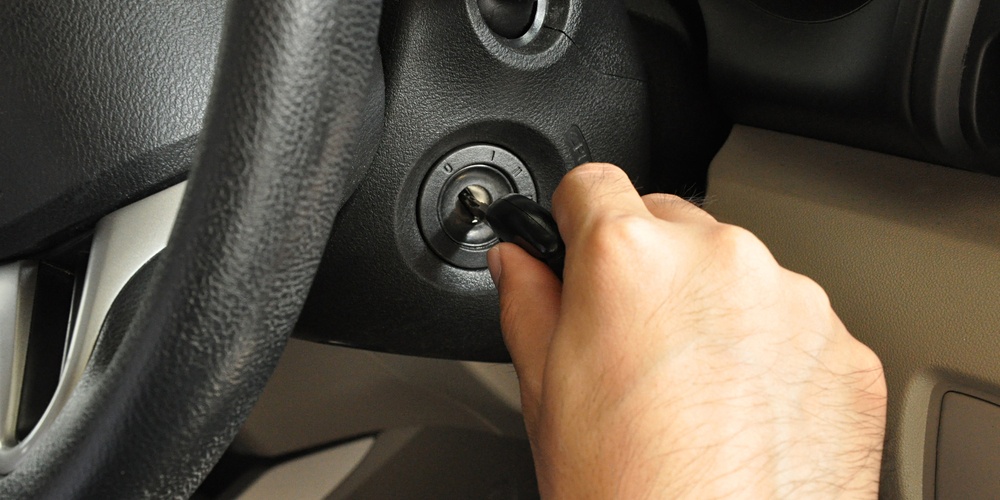
The key slides into the ignition normally, but refuses to turn. The steering wheel feels almost solid. Trying harder only makes the key flex in a way no piece of metal that small should ever flex.
The car may be perfectly healthy. It could simply be leaning on its steering lock.
This often happens after parking with the wheels turned, especially when one front tire is resting firmly against a curb. Once the engine is switched off and the steering locks, pressure from the tires and steering system can load the locking mechanism. The next time the driver inserts the key, that pressure prevents the lock from releasing smoothly.
The result feels far more serious than it usually is.
Let the steering wheel take the pressure
Start by holding the steering wheel with one hand and the key with the other. Try moving the wheel gently in both directions. One side will normally feel completely blocked, while the other offers a small amount of movement.
Maintain light pressure in the direction that moves, then turn the ignition key at the same time.
The two movements need to happen together. Turning only the key leaves the steering lock loaded. Pulling violently at the wheel adds unnecessary force. A firm, controlled movement is enough in most cases.
Push-button cars can experience a similar disagreement. The instrument panel may display a message telling the driver to turn the steering wheel while starting. Keep the brake pedal depressed, move the wheel gently from side to side and press the start button as the pressure eases.
Parking on a steep slope can make the lock feel particularly stubborn. The weight acting through the front wheels may be greater, so the steering wheel can require a little more pressure. “A little more” remains the important part. Jerking the wheel or twisting the key with pliers is how a simple inconvenience becomes a broken key extraction appointment.
Why cars lock the steering wheel
The steering lock is an anti-theft device. On many older vehicles, removing the ignition key allows a mechanical pin to engage inside the steering column. Newer vehicles may use an electronically controlled lock that operates after the car is switched off and the key leaves the cabin.
When everything is relaxed, the mechanism releases almost unnoticed. When a front wheel is pushing against a curb, the locking pin can become pinched by the force passing through the steering column.
Turning the wheel slightly removes that load. The key has not repaired anything. It has simply been given room to do its job.
A useful habit can prevent the problem. After parking, avoid using the steering wheel as a handle when climbing out, since pulling it can engage the lock under pressure. When parking against a curb on a hill, the wheels may need to be turned for safety, but allowing the vehicle to settle properly against the parking brake can reduce strain elsewhere.

When the steering lock is not the whole story
A key that still refuses to move after the steering pressure has been released needs a closer look.
Inspect the key first. Years of use can round its edges, and a bent or heavily worn key may no longer align the wafers inside the ignition cylinder correctly. If a spare key works normally, the original has provided a fairly strong confession.
Dirt or wear inside the cylinder can also make the mechanism sticky. Avoid spraying a random household lubricant into the ignition. Some products collect dirt or interfere with electrical components. Use only a lock product approved for the vehicle or have the cylinder examined professionally.
Automatic cars add another possibility. The selector may appear to be in Park without fully engaging the park-position switch. Hold the brake, move the selector firmly into Park and try again. A worn shift interlock or misadjusted cable can create recurring trouble.
On an electronic steering-lock system, a weak 12-volt battery may prevent the mechanism from releasing. Dim interior lights, slow electrical operation or repeated clicking would support that possibility. A warning such as “Steering Lock Fault” deserves proper diagnosis rather than increasingly enthusiastic wheel wrestling.
Finally, stop if the key begins to bend. Replacing a worn key is inconvenient. Removing half of one from an ignition cylinder is an entirely different afternoon.
A locked steering wheel can make a car feel dead and uncooperative, but the fix is often hiding in the small amount of movement the wheel still allows. Find that movement, hold it gently and turn the key.
The car was never asking for more force. It was asking for less pressure.