Your Car’s Hood Has Two Latches Because One Failure Could Blind You at Highway Speed
by AutoExpert | 13 August, 2026
Opening a car’s hood is oddly ceremonial.
First comes the lever beneath the dashboard, usually hidden low enough to require an undignified search around the driver’s footwell. The hood pops up, but only slightly. Then comes the second act: feeling blindly beneath its front edge for a small lever that never seems to be where a hand expects it.
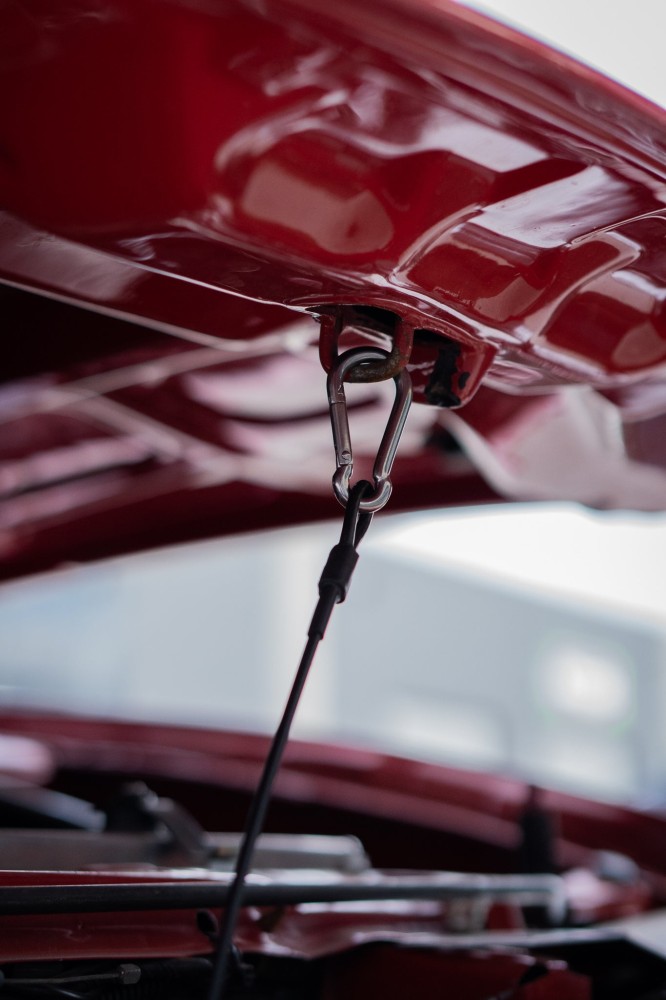
For anyone standing in the rain with a dead battery, that second latch can feel like unnecessary bureaucracy.
It is anything but.
The hood has two stages of protection because a single failure could allow it to fly open while the car is moving. A front-hinged panel suddenly folding over the windshield at highway speed is not merely inconvenient. It can erase the driver’s view in an instant.
That awkward little catch beneath the hood is there to make sure one mistake, broken cable or faulty latch does not become a much larger problem.
One latch releases, the other protects
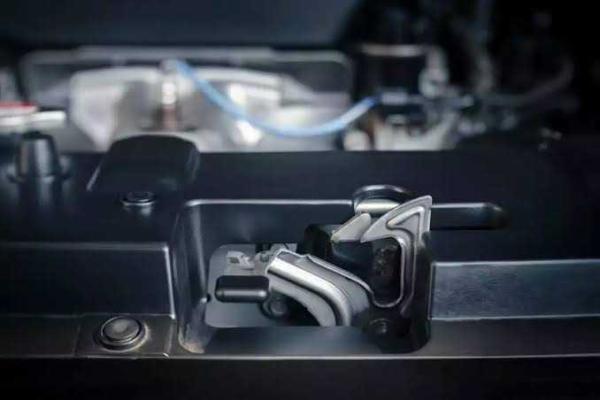
The primary latch holds the hood fully closed. On most modern cars, pulling the interior lever operates a cable or electronic release connected to that latch. The hood rises just enough to show that the first stage has opened.
The secondary catch remains engaged.
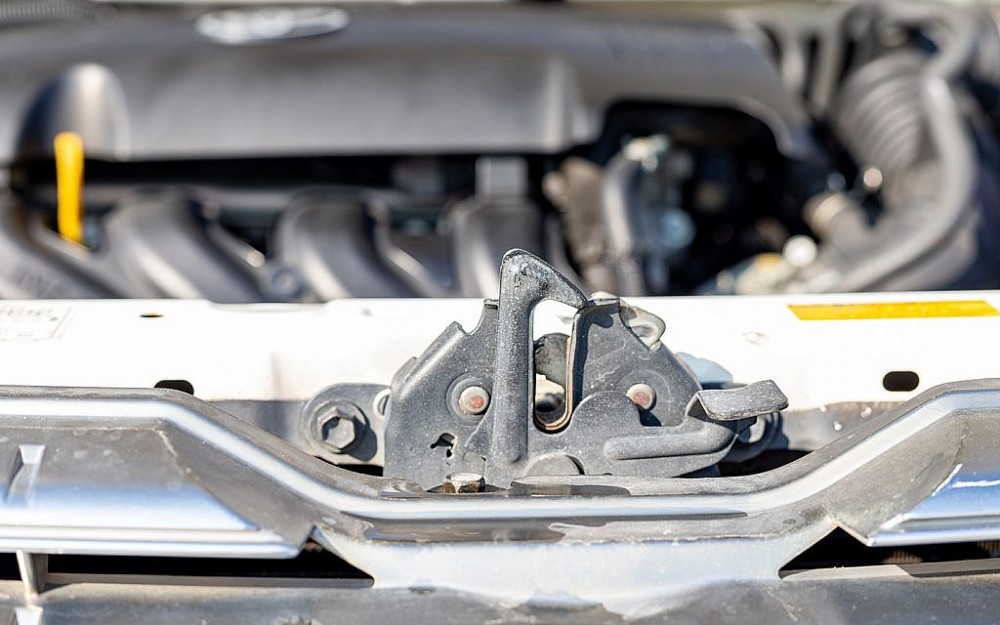
To lift the hood completely, someone must reach underneath, move the catch and raise the panel by hand. The arrangement means an accidental pull of the interior lever should not send the hood sailing upward. Even if the primary latch releases unexpectedly, the second catch is supposed to keep the panel from opening far enough to block the windshield.
This is not simply a tradition carried over from older cars. Federal vehicle standards require a second latch position or secondary latching system on a front-opening hood that could obstruct the driver’s view if it opened while the vehicle was moving.
The requirement has been around for decades, quietly doing its job while drivers complained that the lever was difficult to find.
Why hood latches become stubborn
A healthy secondary catch should move without a fight and return to its resting position when released. Age, dirt and corrosion can make that simple movement far less graceful.
The latch lives in a miserable location. It receives water, road salt, dust and whatever else enters through the grille or gaps around the hood. Lubrication eventually dries out. Springs weaken. Cables stretch or begin to bind.
The first warning may be a hood that no longer pops up when the interior lever is pulled. Someone has to press down, pull the handle again and give the panel an encouraging thump. Another common sign is a secondary catch that feels stiff or refuses to spring back.
Slamming the hood harder may appear to solve the problem, but it can hide a latch that needs attention. It can also dent a lightweight aluminum panel or damage its alignment.
The correct closing method varies between vehicles. Some manufacturers instruct owners to lower the hood and let it drop from a modest height. Others specify pressing it closed at particular reinforced points. The owner’s manual is more useful here than force and optimism.
After closing the hood, it is sensible to confirm that it sits evenly and cannot be lifted at the front edge. A hood-open warning on the dashboard, visible gap, rattling panel or repeated need to slam it should not be ignored.
The latch deserves occasional attention
Hood latches rarely appear on anyone’s maintenance checklist. Engine oil, tires and wipers get remembered. The small piece of metal preventing the hood from covering the windshield tends to be forgotten.
A quick visual check can reveal heavy rust, dirt buildup, bent components or a cable that is beginning to fray. The latch can often be cleaned and lubricated using the product and procedure recommended for the vehicle. Spraying random chemicals into the mechanism is less sensible, particularly near electrical switches and plastic parts.
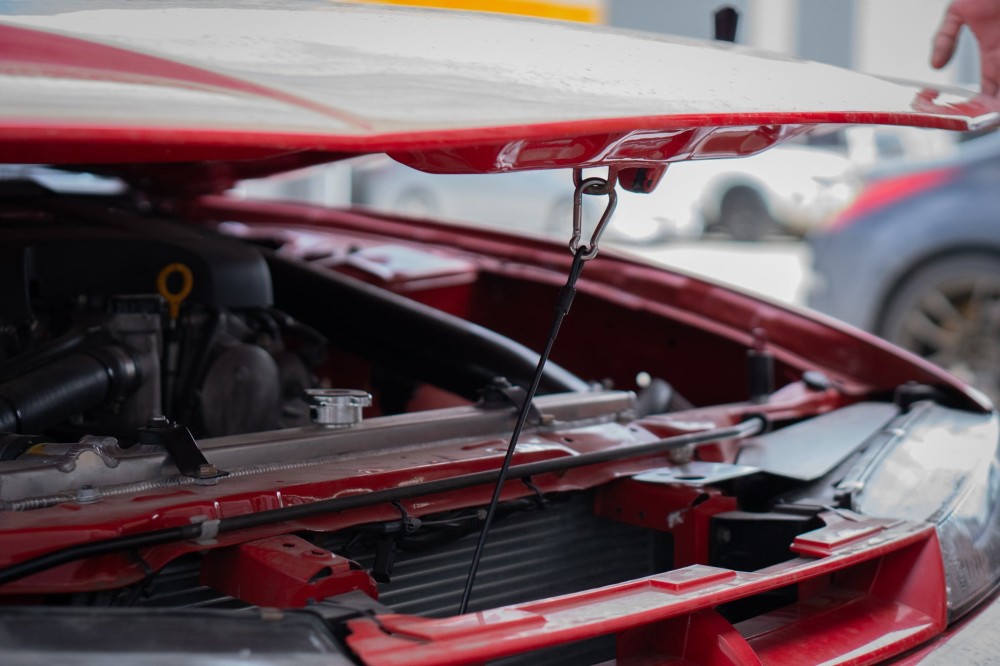
If the hood has become difficult to open, refuses to close securely or has shifted after a minor front-end bump, a technician should inspect the latch and alignment. Even a parking-lot collision can move the hood, radiator support or locking mechanism enough to prevent proper engagement.
The same applies after bodywork. A freshly painted hood that looks perfect but no longer catches cleanly is not finished.
That second latch may be small, greasy and irritatingly well hidden, but it represents automotive engineering at its most practical. It asks for one extra movement every time the hood is opened and gives the driver an entire backup layer of protection in return.
Not a bad bargain for a lever most people never notice.