That Tiny Slot Beside Your Shifter Has a Job Most Drivers Never Discover
by AutoExpert | 23 July, 2026
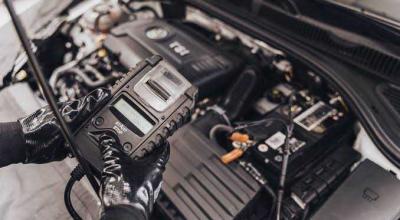
A dead battery is annoying in any parking space. It becomes considerably more awkward when the car is nose-first inside a garage and the tow truck needs it in Neutral.
The brake pedal feels normal. The shifter refuses to leave Park. Pull harder and nothing happens, which is fortunate because forcing a modern gear selector is an excellent way to turn one problem into two.
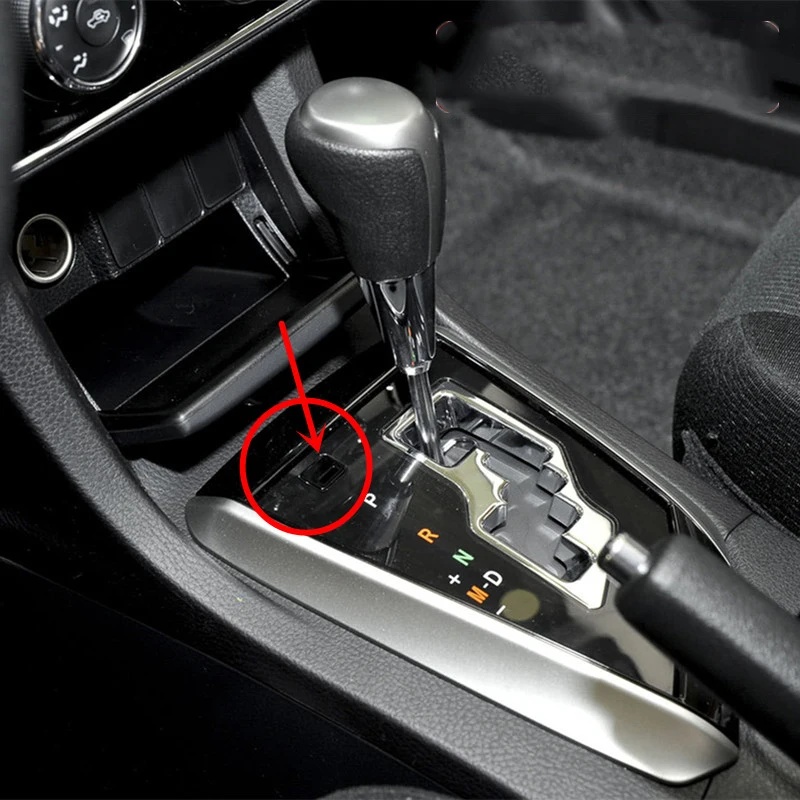
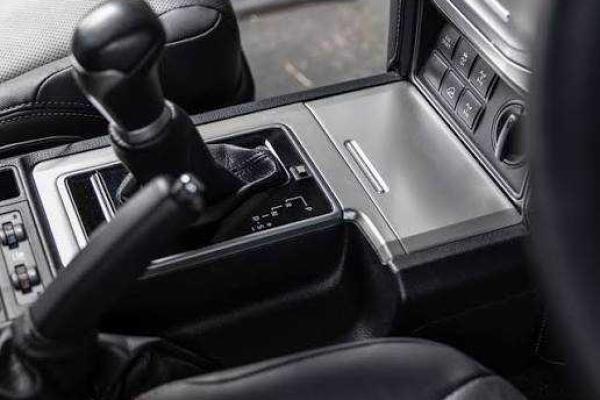
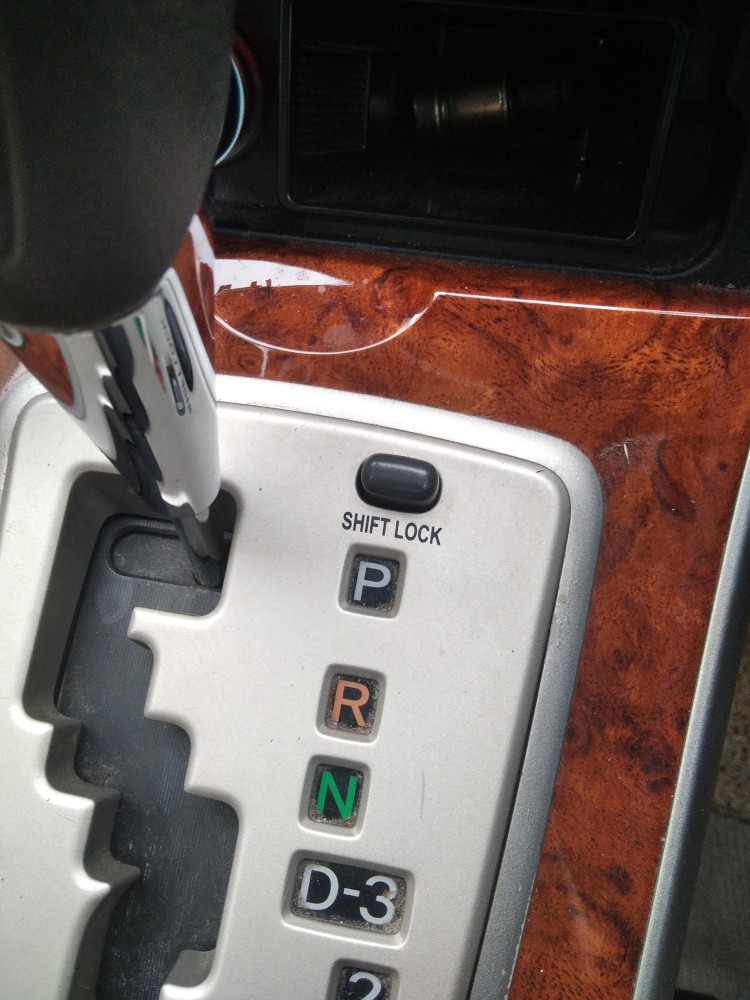
Look beside the shifter and there may be a tiny rectangular cover, a narrow slot or a small opening marked “Shift Lock.” Beneath it is one of the least glamorous emergency features in the car.
It may also be exactly what the tow-truck driver needs.
Why the shifter is locked in Park
Automatic cars use a brake-transmission shift interlock to prevent the driver from selecting a gear accidentally. Normally, the ignition must be in the correct position and the brake pedal must be pressed before the shifter can move out of Park.
Pressing the brake operates a switch, which signals an electric solenoid to release the selector. The faint click sometimes heard near the shifter is the interlock doing its job.
NHTSA explains that vehicles with an automatic transmission and Park position must require the service brake to be pressed before shifting out of Park. The system helps prevent rollaways and stops a child or distracted occupant from casually pulling the car into gear.
That protection depends on the car’s electrical system. If the battery is completely dead, the solenoid may not release even though the brake pedal is being pressed. A failed brake-light switch, blown fuse, damaged wiring or faulty interlock solenoid can create the same symptom.
The manual release provides a mechanical way around the lock.
How the hidden release works
The exact procedure is different from one car to another, so the owner’s manual should have the final word. On many conventional console shifters, however, the sequence is broadly similar.
Secure the vehicle first. Apply the parking brake firmly, keep a foot on the brake pedal and use wheel chocks if the car is on any kind of slope. Once the transmission enters Neutral, the vehicle is free to roll.
A small cover near the selector can usually be lifted carefully with the mechanical key or a flat tool wrapped in cloth. Beneath it is a button or lever. Pressing and holding that release allows the shifter to move from Park into Neutral.
Toyota demonstrates this type of arrangement in its owner’s-manual emergency procedure, instructing the driver to apply the parking brake before using the override.
The parking brake is not a polite suggestion here. The moment the parking pawl disengages, gravity gets a vote.
Do not place fingers, feet or tools beneath a vehicle that may move. If the car is on a steep incline, damaged after a collision or positioned where a small roll could cause harm, leave the job to a recovery professional.
Not every modern car has a visible slot
Mechanical gear levers made the override relatively easy to find. Rotary selectors, push-button transmissions and electronic joysticks have complicated matters.
Some vehicles use a manual park release hidden inside the center console. Others place it beneath the dashboard, under the hood or near the transmission itself. Certain cars require electrical power from a jump pack before Neutral can be selected. An electronic parking brake may also remain engaged when the battery is dead.
Guessing is not worthwhile. Search the owner’s manual for “shift lock override,” “manual park release,” “stuck in Park” or “towing.” The correct procedure may be very different from the one used by the car parked next to it.
Placing the transmission in Neutral does not automatically make a vehicle safe for conventional towing, either. Many all-wheel-drive cars and some front-wheel-drive models can be damaged if they are pulled with driven wheels on the road. A flatbed may still be required.
When the battery is not dead
If the dashboard lights are bright but the selector remains stuck, check whether the brake lights illuminate. No brake lights can point toward a failed pedal switch or fuse, and the interlock may simply be refusing to release because it cannot tell that the brake is being pressed.
Using the override may allow the car to be moved out of danger, but it does not repair the fault. A selector that repeatedly sticks in Park needs diagnosis.
There is also no reason to experiment with the release when the car is working normally. It bypasses a safety system and can allow the vehicle to roll if used carelessly.
Most owners will never touch that little plastic cover. It may spend the car’s entire life collecting dust beside the cupholder. Still, knowing what is underneath turns a mysterious slot into something useful, especially on the day when the battery is dead, the shifter is stubborn and the tow truck is waiting.