Your Car Is in Neutral, but Towing It This Way Could Still Destroy the Drivetrain
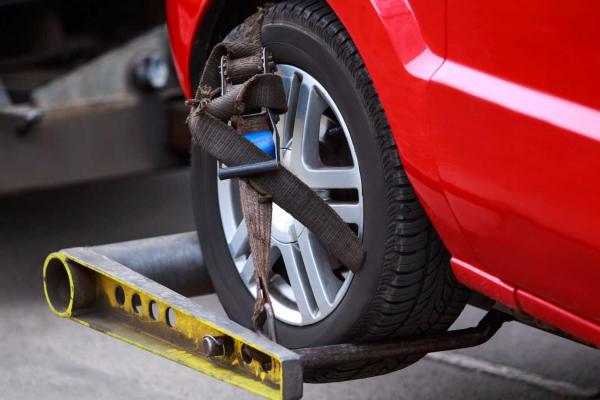
by AutoExpert | 29 July, 2026
Neutral has a reassuring name. It sounds harmless, disconnected and mechanically impartial. Put the selector in N, release the parking brake and the car can roll. Surely that means it can also be towed.
Sometimes it can.
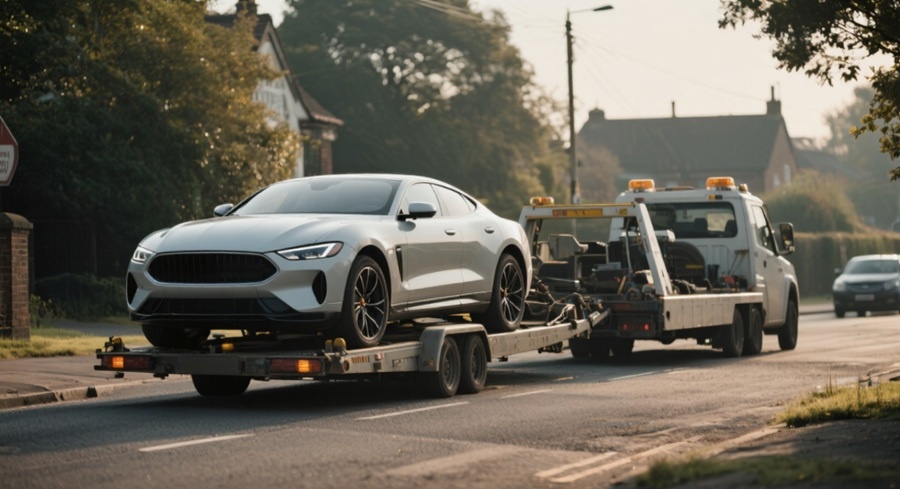
Sometimes that assumption is the beginning of a repair bill with a deeply unpleasant number at the bottom.
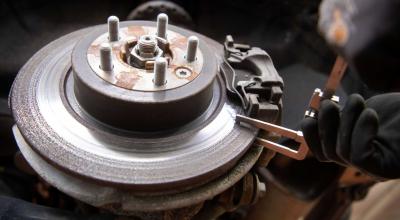
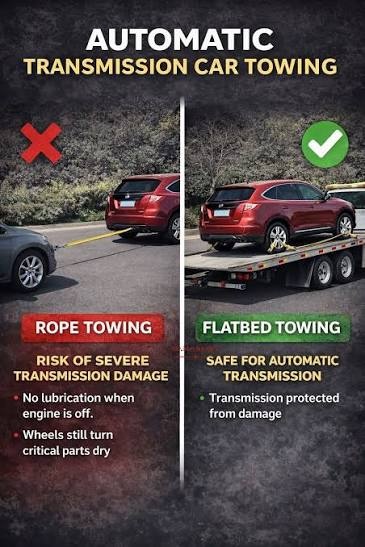
Shifting an automatic transmission into Neutral stops it from delivering engine power to the wheels. It does not necessarily disconnect every moving part inside the transmission. If the driven wheels are turning, shafts, bearings, gears and other components may be turning with them.
Under normal driving conditions, those parts receive lubrication while the engine or transmission is operating. During towing, the wheels may keep spinning internal components even though the pump responsible for circulating fluid is inactive. A transmission can therefore be turning without receiving lubrication in the way its designers intended.
It may roll perfectly freely while quietly damaging itself.
This is why towing instructions can be surprisingly strict. One model may permit four-wheel-down towing at a limited speed and distance. Another may allow only the non-driven wheels to remain on the road. A third may require a flatbed, with all four wheels completely off the ground.
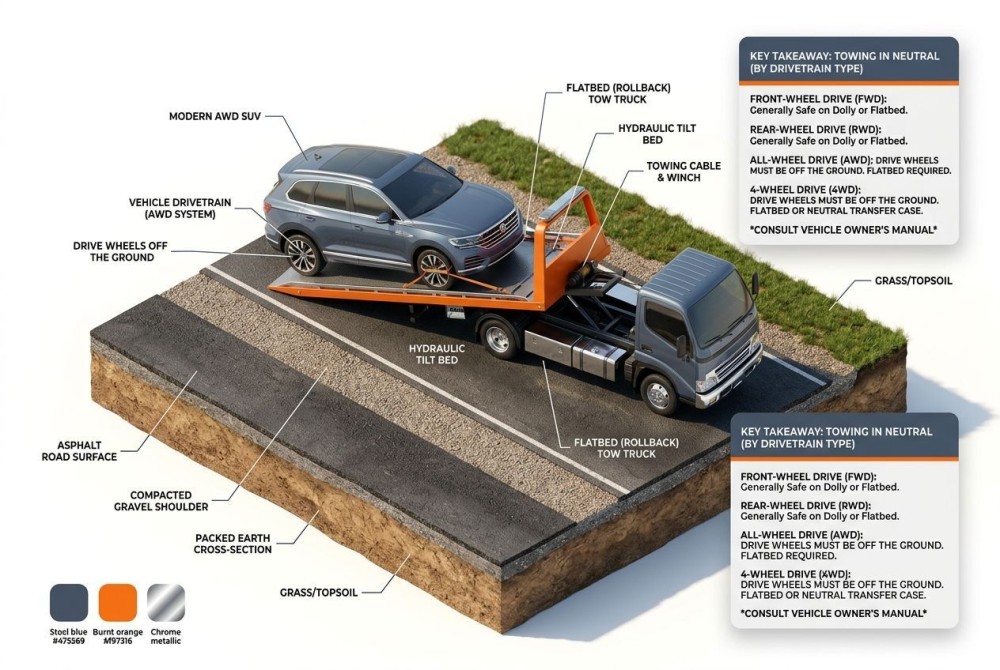
The badges on the trunk do not provide enough information. Two vehicles that look almost identical may use different transmissions and have entirely different towing requirements.
All-wheel-drive vehicles add another layer. Their front and rear axles may be connected through a transfer case, center differential or electronically controlled clutch system. Lifting one end and leaving the other wheels turning can create speed differences the drivetrain was never designed to tolerate for mile after mile.
A flatbed is often the safest answer, especially when the towing operator cannot confirm the drivetrain layout.
Electric vehicles make Neutral even less reassuring. An EV’s drive wheels are connected to one or more electric motors. Turning those wheels can also turn the motor. Depending on the design and operating state, that may cause damage or create unwanted electrical activity. NHTSA advises that electric and hybrid vehicles need special care during recovery because towing them on an axle connected to an electric motor can damage the vehicle.
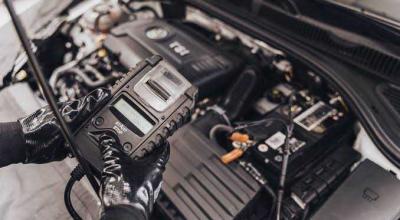
Some newer cars also use electronic parking brakes and shift-by-wire selectors. If the 12-volt battery is dead, simply moving the lever to N may not be possible. The vehicle may require a mechanical parking-release procedure, a jump pack, a dedicated recovery setting or dollies under the wheels.
This is where “Neutral Tow” mode creates confusion. The name sounds like ordinary Neutral with nicer branding, but it can be a specific electronic setting intended for recreational towing behind a motorhome. It may keep the transmission disengaged, release electronic locks or preserve a particular system state after the vehicle has been switched off.
If a car has such a mode, it must be activated exactly as the manufacturer describes. Selecting N from the gear menu is not automatically the same thing.
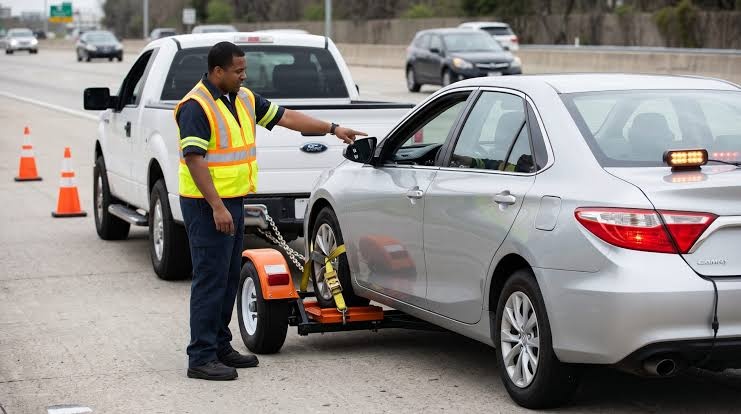
There is also an important difference between emergency towing and flat towing.
Emergency towing usually means moving a disabled vehicle a short distance to safety or onto recovery equipment. Flat towing means pulling it with all four wheels on the road, often behind a motorhome and sometimes for hundreds of miles. A procedure permitted for a few yards at walking speed may be completely unsuitable for a long journey.
Even traditional manual transmissions should not be given universal permission. Many can be flat-towed, but not all. Lubrication arrangements, transfer cases, four-wheel-drive hardware and manufacturer restrictions still matter.
The reliable answer is inside the owner’s manual, usually under “Towing,” “Emergency Towing,” “Recreational Towing” or “Transporting the Vehicle.” Check the instructions for the exact model, engine, transmission and drivetrain.
If the manual requires a flatbed, that is not excessive caution from a nervous legal department. It is a summary of how the vehicle’s mechanical and electrical systems were built.
And if the car is already stranded beside the road, tell the recovery operator whether it is front-wheel drive, rear-wheel drive, all-wheel drive, hybrid or electric. Mention any obvious drivetrain damage, locked wheels or electrical failure. A good operator will select a flatbed or wheel dollies when the situation demands them.
Neutral merely means the engine is not driving the wheels at that moment. It does not mean the transmission has vanished, the electric motor has disconnected itself or the transfer case has taken the afternoon off.
The car may be willing to roll. That does not mean it is willing to be towed.