

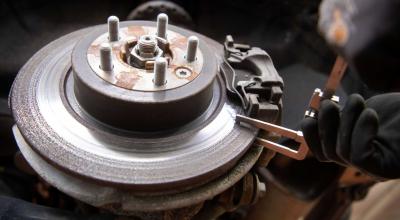
The usual explanation sounds perfectly logical. When a car slows down, its weight moves toward the front. The front tires carry more load, so the front brakes provide more of the stopping force. That
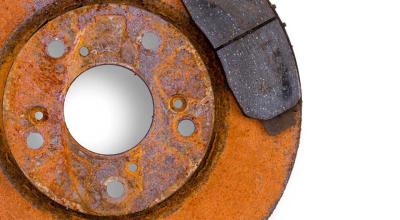
Wash a car in the evening and look through its wheels the next morning. The brake rotors may have turned bright orange. The change can happen quickly enough to feel impossible. The discs looked cle
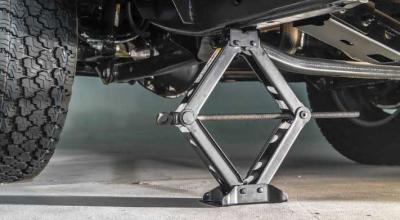
The emergency jack in a car’s trunk rarely inspires confidence. It is narrow, awkward and usually accompanied by a handle that looks as though it escaped from flat-pack furniture. Then ther
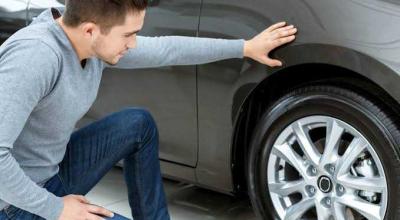
The car has been washed, rinsed, and dried. From a few steps away, the paint looks spotless. Run a hand across the hood, however, and the surface tells a different story. Instead of feeling slick, it
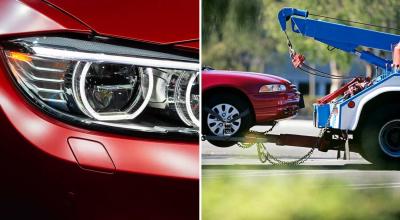
A small square or circular panel sits almost flush with the painted bumper. It has no button, light or obvious reason to exist. Once spotted, though, it becomes surprisingly difficult to ignore. Be
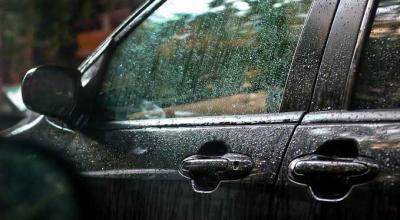
A car door can hide an impressive amount of water before anyone notices. Usually, the first clue arrives after heavy rain or a thorough car wash. Pull away from the curb and something splashes near
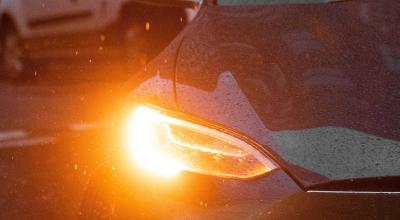
A turn signal normally keeps a relaxed, predictable beat. Tick. Tock. Tick. Tock. Then, without warning, it sounds as though someone has doubled the tempo. The arrow on the dashboard flashes furiously
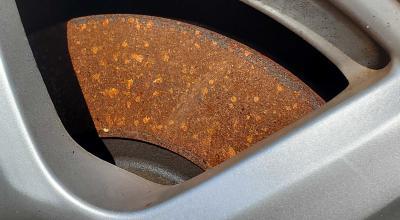
The car looked spotless when it was parked. Then it rained overnight, or perhaps the wheels received an enthusiastic blast at the car wash. By morning, the shiny brake rotors had turned orange. Not sl
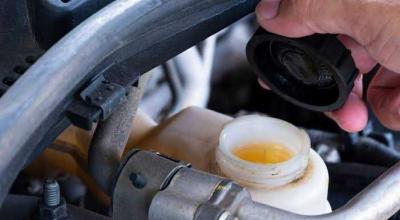
The reservoir under the hood is sitting close to the minimum line. There is a bottle of brake fluid on the shelf. The obvious response seems to be pouring in enough fluid to bring the level back to &l
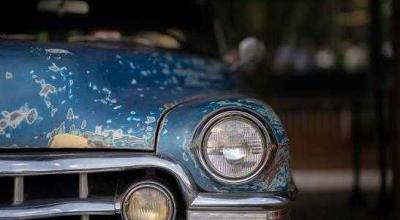
A car can sit unused for several days without concern. Stretch that pause into several weeks, however, and the first signs of neglect may begin to appear. The battery loses charge, the tires remai