
Your Car Door Is Designed to Let Water Inside. Here Is When That Becomes a Problem
by AutoExpert | 7 August, 2026
A car door can hide an impressive amount of water before anyone notices.
Usually, the first clue arrives after heavy rain or a thorough car wash. Pull away from the curb and something splashes near the driver’s hip. Brake for the first junction and it moves again. Open the door and the sound follows, as though someone has left a half-full bottle rolling around inside the metalwork.
There probably is water in there. Strangely enough, that part is not the fault. Car doors are designed with the understanding that water will get inside them. The trouble begins when it stays.
The window seal is not completely waterproof
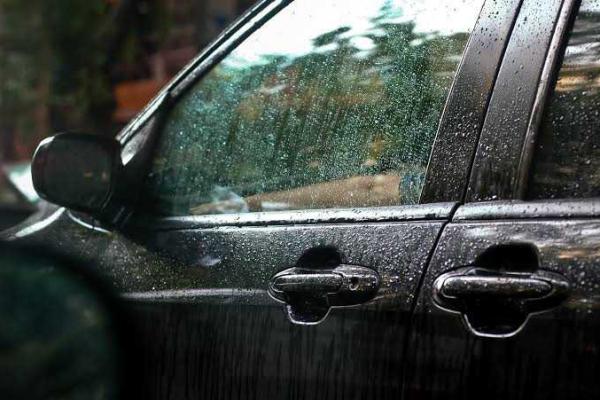
The rubber strip running along the bottom of the side window looks as though it should seal the door tightly. It does a decent job of keeping out leaves, dirt and most of the rain, but it cannot form a watertight barrier against moving glass.
Water runs down the window, slips past the outer strip and enters the hollow door shell. Engineers expect this, so the inside of the door is arranged to manage it.
Electrical connectors are protected, vulnerable mechanisms are positioned carefully and a plastic or foam moisture barrier helps keep water away from the interior trim. At the bottom of the door, several small openings allow it to drain onto the ground.
On a healthy car, the whole process happens unnoticed. Rain goes in near the glass and drips out beneath the door. Nobody hears a thing.
Over time, those small exits can become obstructed by road grime, leaves, hardened cavity wax or debris trapped beneath the lower weatherstrip. Water then collects faster than it can escape. Toyota has documented cases in which wax or debris blocked the door drains, producing the unmistakable splashing sound during braking, cornering or door movement.
It can be surprisingly loud. A large car door offers enough hidden space to carry far more water than anyone would willingly store there.
Finding the drain openings
Door drains normally sit along the lowest edge of the metal shell. They may appear as small slots, round holes or narrow openings partly concealed by a rubber weatherstrip. There can be several on each door.
A flashlight makes the search easier. Mud, wax or dark residue around an opening may reveal the blockage immediately.
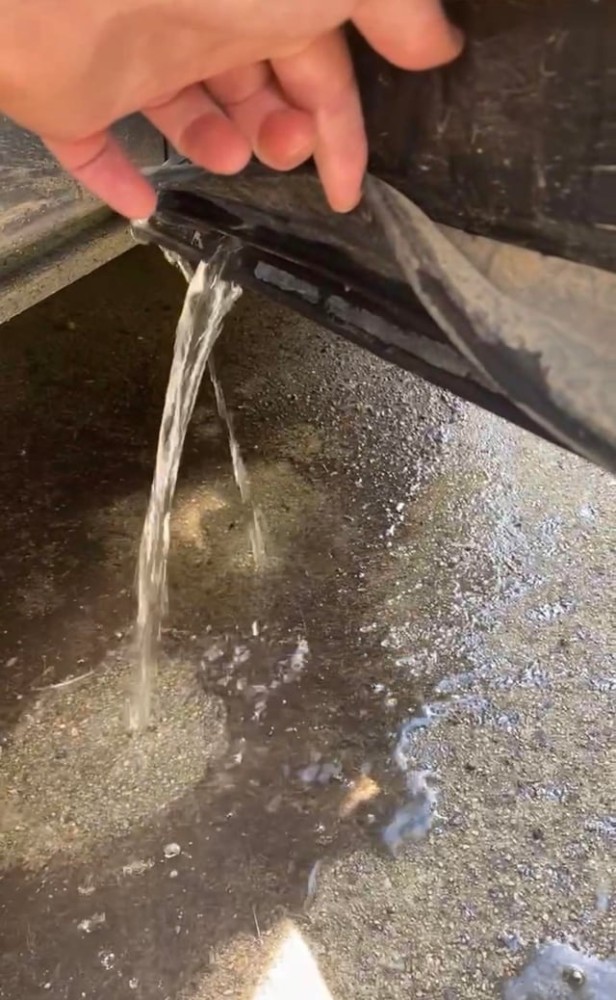
Sometimes gently moving the lower weatherstrip aside is enough to release the trapped water. It can pour out with startling enthusiasm, so shoes are best kept clear of the scene.
Cleaning requires a light touch. A soft plastic probe or compressed air used carefully may clear loose debris, but the procedure varies between vehicles. Sharp wire, screwdrivers and drill bits should stay in the toolbox. Scratching the paint inside the drain can invite corrosion, while pushing too deeply risks damaging wiring, clips or the moisture barrier.
Some openings may also contain shaped plugs or valves intended to control wind noise and dirt. Removing one permanently because it “looks unnecessary” can solve one problem and create another. Manufacturer service information should settle any doubt.
When sloshing becomes more than an annoyance
Water sitting inside a door is not harmless simply because the car continues working.
It can corrode the lower seam, affect speakers and electrical connectors, stain the interior trim or freeze solid during winter. A heavy accumulation also places unnecessary weight inside the door every time it swings open.
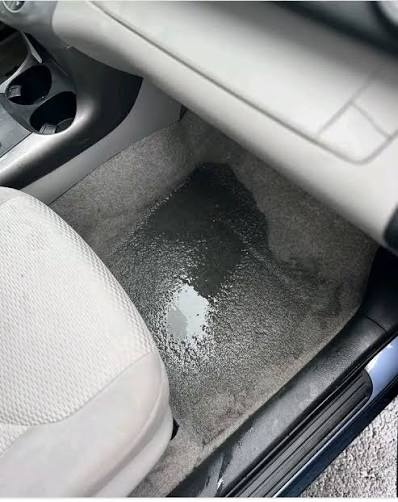
Wet carpeting deserves particular attention. The water inside a properly designed door should remain behind its moisture barrier and leave through the bottom. If it reaches the cabin, the barrier may have peeled away or been fitted badly after a speaker, window regulator or lock repair.
A damaged door seal, blocked sunroof drain or body-seam leak can also wet the carpet, so the nearest puddle is not always proof that the door caused it. Water has a talent for entering a car in one place and appearing somewhere entirely different.
Persistent accumulation after the visible drains have been cleared may require removal of the interior door panel. That allows a technician to inspect the moisture barrier, drainage path and window seals without blindly poking around inside.
The exterior window strip should also be checked if it has become loose, distorted or badly cracked. It was never supposed to stop every drop, but it should not welcome rain inside by the bucket.
A sloshing door sounds like the opening scene of an expensive electrical disaster. Often, the explanation is much smaller: water followed the route the car’s designers expected, then found the exits closed.