Move the Jack a Few Inches Too Far and a Flat Tire Can Become Body Damage
by AutoExpert | 11 August, 2026
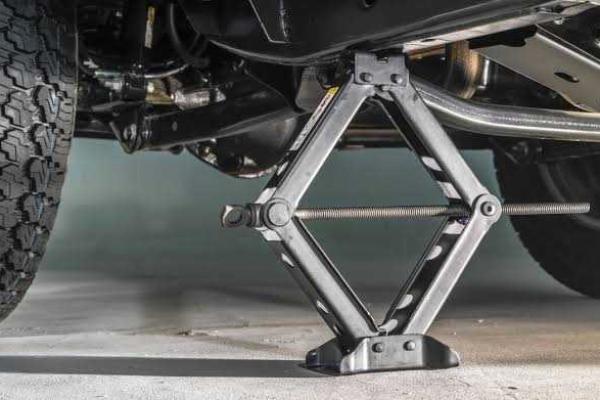
The emergency jack in a car’s trunk rarely inspires confidence. It is narrow, awkward and usually accompanied by a handle that looks as though it escaped from flat-pack furniture.
Then there is the notch at the top.
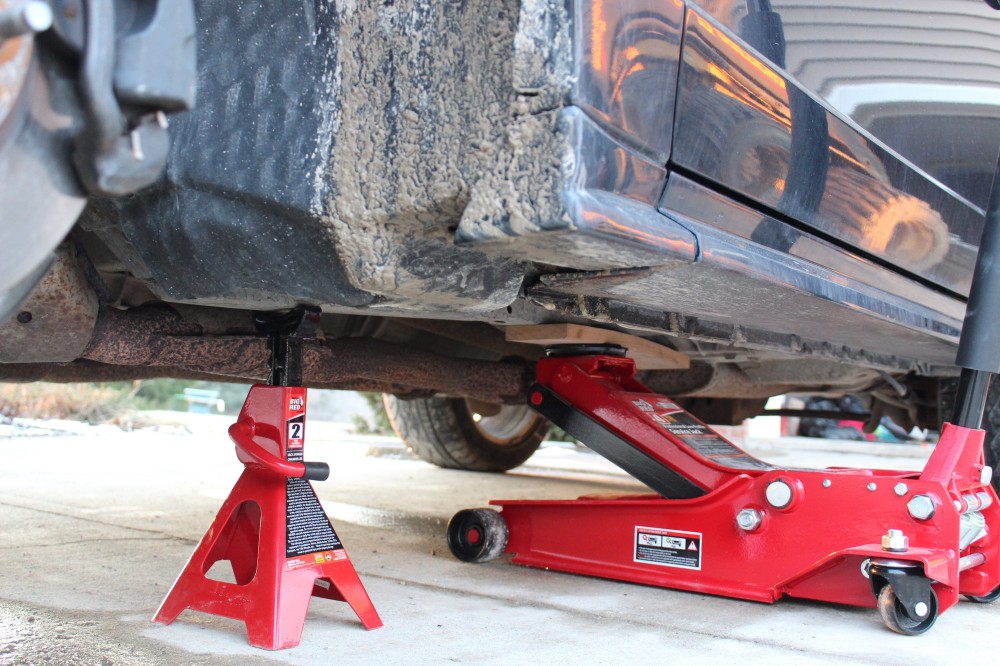
That groove has a precise purpose. On many unibody cars, it fits around a reinforced section of the pinch weld beneath the rocker panel. Put it in the correct place and the car can be raised for a tire change. Move it several inches along the same seam and the metal may fold, the rocker trim may crack or the jack may shift under load.
The underside of a car can look equally solid everywhere. It absolutely is not.
Finding the point designed to carry the weight
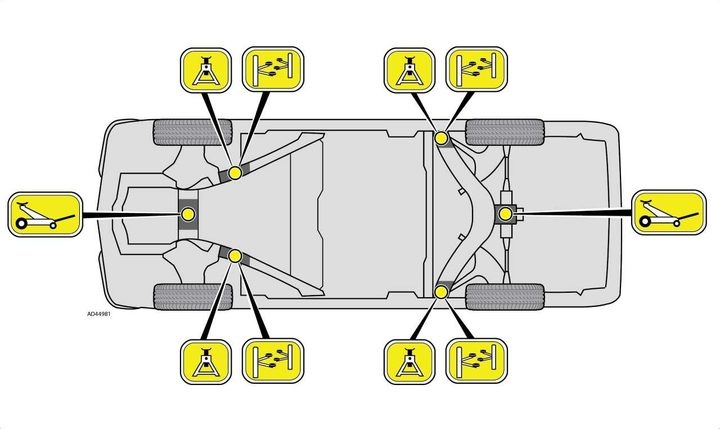
Vehicle manufacturers reinforce specific areas for lifting. On many cars, the emergency jacking points sit behind the front wheels and ahead of the rear wheels. Small notches, stamped marks or triangular indicators in the rocker panel may show their positions.
Some vehicles use flat reinforced pads instead of exposed pinch welds. Trucks, body-on-frame SUVs and electric vehicles can have very different instructions. Plastic underbody panels make guessing even riskier because the strong structure may be hidden from view.
The owner’s manual shows the correct locations and the proper orientation of the supplied jack. That diagram deserves attention before a tire goes flat, when daylight and patience are still available.
A groove in the jack saddle does not automatically mean the thin metal seam should bear the entire load at any random point. The saddle may need to straddle the seam while contacting the reinforced metal around it. Designs vary, and the supplied jack is shaped for a particular vehicle.
Borrowing a jack from another car can create a poor fit even when both tools look nearly identical.
Prepare the car before lifting anything
Move the vehicle to firm, level ground, as far away from traffic as safely possible. Switch on the hazard lights. Place an automatic transmission in Park or a manual transmission in gear, apply the parking brake and switch off the engine.
A wheel chock should go against a tire that will remain on the ground, usually the one diagonally opposite the flat. A substantial purpose-made chock is preferable to a hopeful pebble.
Take out the spare, wrench and tools before raising the car. Nobody wants to discover that the spare is trapped beneath luggage while the vehicle is balancing on a temporary jack.
Loosen the wheel nuts slightly while the tire still touches the ground. They may require considerable force, and applying that force after the wheel is airborne can rock the vehicle off the jack. A small initial turn is enough. The nuts remain in place until the tire has been lifted.
Position the jack exactly where the manual indicates, with its base sitting flat. Raise it slowly and watch the contact point. If the jack begins leaning, the saddle moves or the metal starts deforming, lower the car immediately and reposition everything.
There is no prize for continuing a lift that already looks wrong.
An emergency jack has strict limits
The factory scissor jack exists to change a wheel at the roadside. It was never designed for crawling beneath the vehicle, changing engine oil or supporting a weekend suspension project.
Never place any part of the body under a vehicle held only by an emergency jack. Even a perfectly positioned jack can tip if the ground shifts, another vehicle bumps the car or someone climbs inside.
Workshop repairs require a suitable floor jack and properly rated jack stands placed at manufacturer-approved support points. The lifting point and the stand location may differ, which creates another reason to consult service information rather than improvise.
Electric vehicles deserve particular caution. Their high-voltage batteries often occupy much of the floor, and an incorrect lifting point can damage protective panels or the battery enclosure. Some EVs require model-specific lifting pucks or adapters. A generic patch of exposed metal is a poor invitation to experiment.
What if the pinch weld is already bent?
A slightly folded edge may result from a previous tire change or careless workshop lift. Avoid hammering it straight beside the road. Damaged coatings can expose bare metal and encourage corrosion, while more serious deformation may affect how securely the jack fits.
Have the area inspected and repaired properly. A technician can determine whether the reinforced jacking structure remains sound, reshape minor damage and restore corrosion protection.
Rocker-panel covers can also hide earlier mistakes. When buying a used car, crushed seams or cracked plastic near the jacking points offer a small but revealing glimpse of how it has been handled.
Once the replacement wheel is installed, tighten the nuts in the sequence recommended by the manufacturer, commonly a crisscross pattern. Lower the car and finish tightening them with a torque wrench to the specified value. “As tight as possible” can stretch studs, distort components or make the next roadside change miserable.
The little notch in the emergency jack is no decorative flourish. It is the point where a rather flimsy-looking tool and a very heavy car are expected to cooperate.
Giving it the correct few inches makes all the difference.