That Small Square in Your Bumper Hides a Tool You May Need on the Worst Day
by AutoExpert | 10 August, 2026
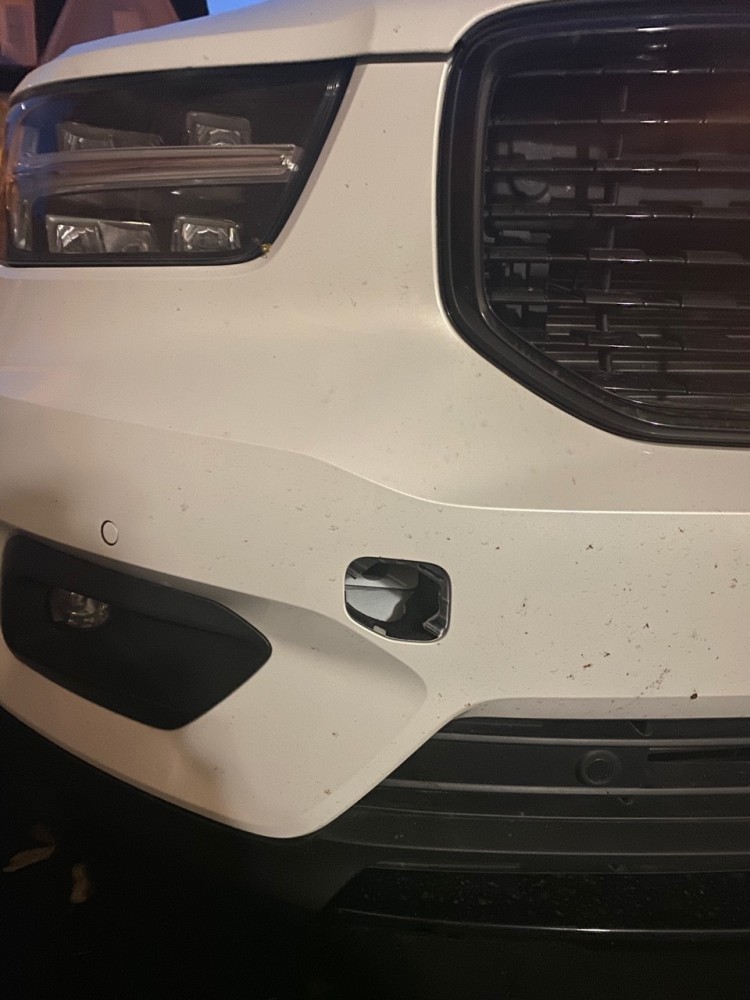
A small square or circular panel sits almost flush with the painted bumper. It has no button, light or obvious reason to exist. Once spotted, though, it becomes surprisingly difficult to ignore.
Behind that cover is usually a threaded socket for a removable towing eye.
The metal eyelet itself is commonly stored with the jack, tire tools or emergency equipment. Screw it into the hidden socket and the car gains an accessible attachment point that a recovery operator can use to guide it onto a flatbed.
Simple enough, until someone mistakes it for an invitation to attach a heavy chain and attack the problem with a large pickup truck.
The hook normally lives somewhere else
Manufacturers remove the protruding towing loop from the bumper for good reasons. A permanently exposed hook would affect styling, create a minor impact hazard and invite corrosion. The threaded arrangement keeps the bumper smooth while making the attachment available when required.
Finding the eyelet can take longer than fitting it. It may sit inside a foam tool tray beneath the trunk floor, beside the tire compressor or inside a fabric pouch. On vehicles without a spare wheel, the unfamiliar metal loop can be easy to mistake for a random piece of hardware.
The cover normally releases from one edge. Some have a small notch intended for a flat-bladed screwdriver. Others are pushed inward before being pulled out. The paint around the opening scratches easily, so Toyota’s owner guidance recommends wrapping the screwdriver with a cloth.
Many covers remain attached by a short plastic tether once removed. That tether is worth treating gently. Replacement covers are surprisingly good at turning an inexpensive piece of plastic into a color-matching nuisance.
Before fitting the eye, inspect the socket for dirt or damage. Thread the eyelet in by hand until it seats fully, then tighten it using the wheel wrench or the tool specified in the manual. If it refuses to turn smoothly, stop. Thread size, direction and design can vary, and a towing eye borrowed from another car may look correct while being completely wrong.
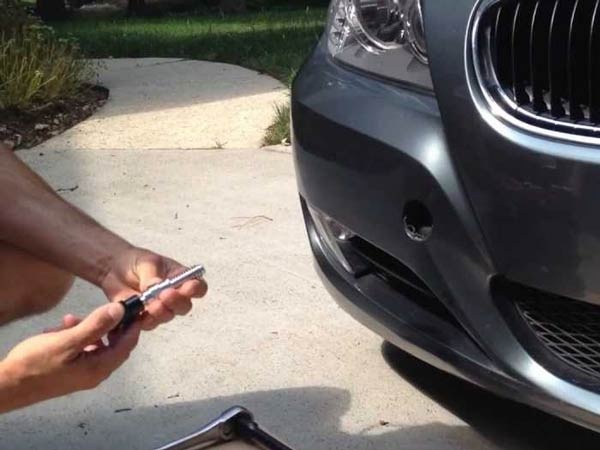
Toyota’s instructions for some vehicles specify that the eyelet must be tightened securely with the wheel-nut wrench. Leaving it partly threaded concentrates the load on fewer threads and can allow it to pull free.
A towing eye and an off-road recovery point are different things
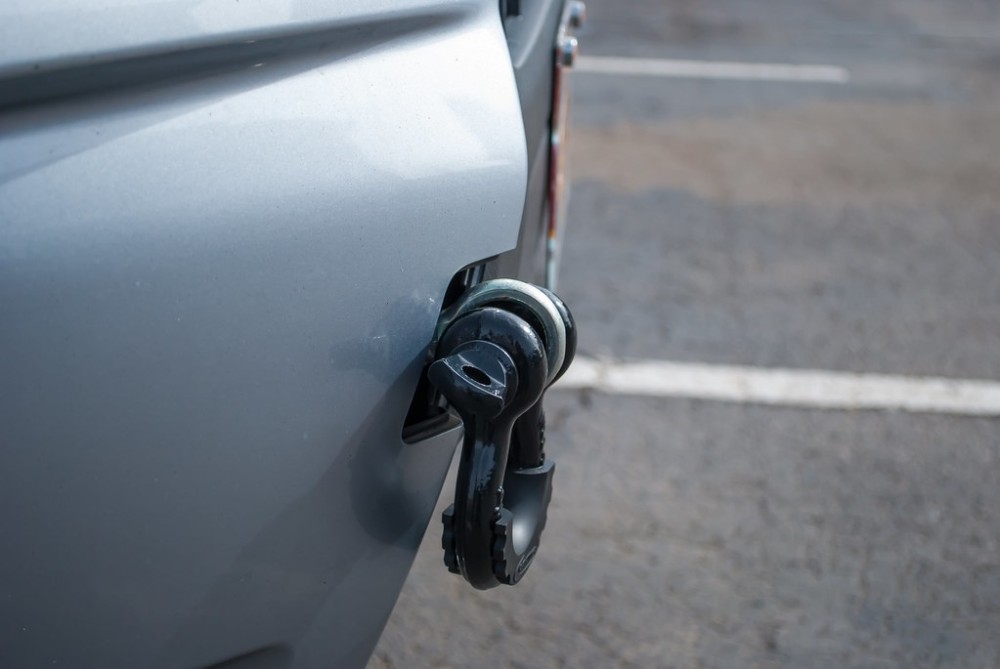
The screw-in eye is commonly intended for controlled towing or winching, such as pulling a disabled car in a straight line onto a recovery truck. Its exact permitted use belongs in the owner’s manual.
It should not automatically be trusted for a dynamic recovery. Yanking a car from mud with a long run-up creates forces far greater than a slow flatbed winch. A metal eye, threaded socket, cable or strap can break and become a dangerous projectile.
Angles matter too. Pulling sharply sideways can bend the eyelet, damage its mounting structure or crack the bumper. The safest load is usually smooth, gradual and aligned with the vehicle, but even that depends on the manufacturer’s instructions.
Some vehicles provide eyelets meant only for transport tie-downs rather than towing. Others have permanent recovery points beneath the body. Certain models have no screw-in towing eye at all, even if a bumper panel appears removable.
The little square therefore identifies an access point, not a universal promise about what the car can survive.
The hook solves only the attachment problem
A secure towing eye does not make every towing method safe.
The transmission, driven wheels, all-wheel-drive system, ride height and parking-brake design still determine how the vehicle should be moved. An automatic car sitting in Neutral may remain unsuitable for towing with its wheels on the road. An EV with a disabled electrical system may require a model-specific procedure before it can roll.
Modern cars can also apply the parking brake automatically, lock the steering or shift themselves back into Park. Recovery operators may need a transport mode, neutral override or wheel dollies.
If the car has been damaged in a collision, the threaded socket or its surrounding structure may no longer be trustworthy. Pulling from a bent mounting point can worsen the damage.
Once recovery is complete, remove the eyelet, clean it if necessary and return it to the tool kit. Press the cover back gently, confirming that its tabs and tether sit correctly rather than forcing it flush.
Most small bumper panels will never be opened. That quiet life suits them perfectly. When one finally is needed, knowing what belongs behind it can save the bumper from a tow strap, the suspension from a chain and everyone nearby from a very bad experiment.