Your Turn Signal Started Clicking Frantically, and It Is Probably Trying to Warn You
by AutoExpert | 29 July, 2026
A turn signal normally keeps a relaxed, predictable beat. Tick. Tock. Tick. Tock. Then, without warning, it sounds as though someone has doubled the tempo. The arrow on the dashboard flashes furiously, the clicking fills the cabin and every turn feels accompanied by a tiny electronic panic attack.
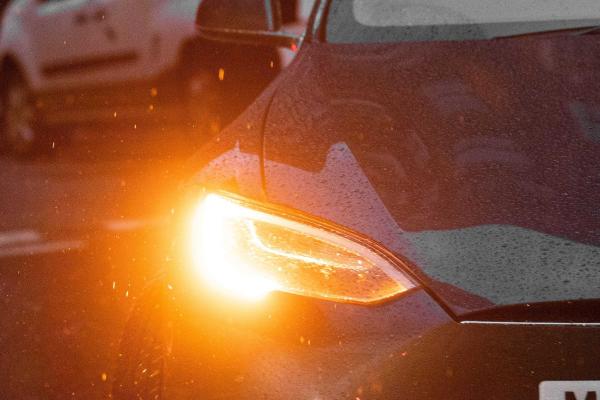
The car is not impatient. It is probably telling you that one of its indicator lamps is no longer doing its job.

On older vehicles, the familiar flashing rhythm often came from a thermal flasher unit. Electrical current heated a small strip of metal, which bent and interrupted the circuit. As it cooled, the circuit closed again. That repeated cycle created the flashing lights and, as a convenient side effect, the clicking sound.
A failed bulb changed the electrical load. With less current flowing through the circuit, the flasher behaved differently and the remaining signal often blinked much faster. That “hyperflash” became a simple built-in bulb warning.
Modern cars may use a body-control module rather than a traditional thermal unit, while the clicking noise may come through a speaker instead of a relay buried beneath the dashboard. The principle, however, remains familiar. The car notices that the circuit is not behaving as expected and speeds up the flashing to attract the driver’s attention.
The first check is pleasantly uncomplicated.
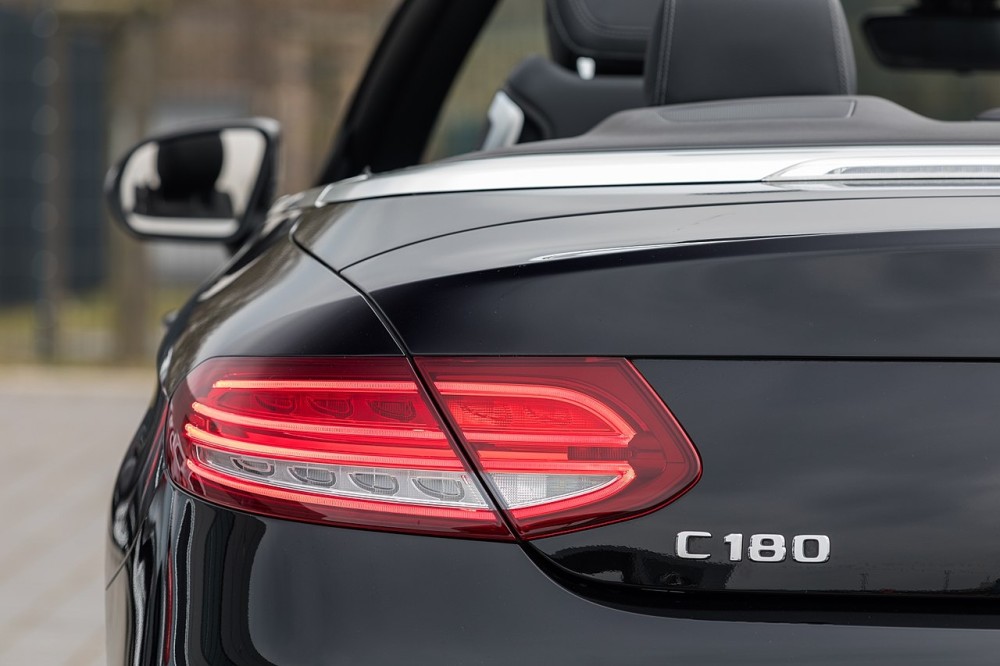
Switch on the affected turn signal, get out of the car somewhere safe and look at every indicator on that side. Check the front lamp, rear lamp and any repeater fitted to the mirror or front fender. A reflection in a garage door or shop window can help, but an actual walk around the car is better.
The dead bulb is not always obvious from the driver’s seat. One remaining lamp may still be flashing, and the dashboard arrow certainly is. To the driver, the system appears noisy but functional. To someone approaching from behind, the missing rear indicator can make the next turn an unwelcome surprise.
If a bulb has failed, replace it with the correct type and wattage. A bulb that fits the socket is not automatically the right bulb. An incorrect part can flash at the wrong brightness, create heat where it should not, trigger another warning or interfere with a lamp that shares brake and indicator functions.
Now suppose every exterior signal is working, but the dashboard still clicks like a metronome running late for dinner.
LED replacements are a common explanation.
A conventional incandescent bulb uses more electrical current than an LED. When an LED bulb is fitted to a circuit designed around the load of an incandescent lamp, the car may interpret the reduced current as a failed bulb. The light works, often very brightly, yet the system continues to hyperflash because electrically, the expected load has disappeared.
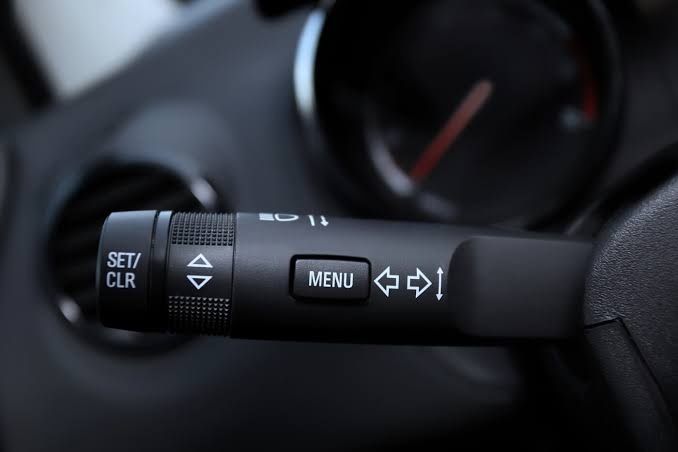
The proper solution depends on the vehicle. It may require compatible LED bulbs, an LED-capable flasher module, coding within the body-control system or correctly installed load resistors. Those resistors can become very hot, so attaching one carelessly to plastic or wiring insulation is not a clever shortcut.
Factory LED indicators can have different failure patterns. Rather than a replaceable bulb, the lamp may contain a sealed LED module. Diagnosis may involve wiring, connectors, control modules or replacement of a larger lamp assembly.
Corrosion is another possibility. Moisture inside a lamp can reach the socket and leave green or white deposits on the contacts. A loose connector, weak ground or damaged wire can raise resistance enough to confuse the monitoring system. Sometimes the bulb itself is fine, but the electricity is being asked to cross a connection that has seen too many winters.
A bulb that works intermittently deserves attention too. Tap the lamp housing gently and watch for flickering. Check whether the signal changes when the brake pedal is pressed or the headlights are switched on. Strange interactions between several lights often point toward a poor ground rather than multiple bulbs failing at once.
The car’s manual may describe the fast flash directly. Toyota, for instance, tells drivers that unusually rapid indicator flashing can mean a bulb has burned out.
It is a small warning, but not one to ignore for weeks. Turn signals are among the few ways a vehicle can communicate its driver’s intentions to everyone else on the road. A hand gesture through the window is a poor substitute, particularly at night, in bad weather or from inside a modern car with a high beltline.
Fast clicking rarely means the entire electrical system is about to collapse. Most of the time, the problem is a bulb, a socket or an LED conversion the car does not understand.
Still, the message deserves an answer. The frantic ticking is the car’s way of saying that it is signaling, but perhaps not as clearly as everyone outside expects.