

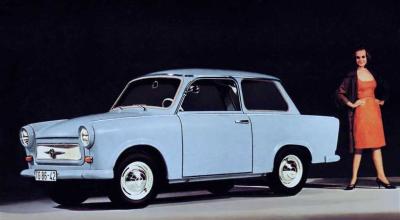
At a classic car show, a Trabant can attract two kinds of attention. Some people remember one from the streets of East Germany. Others have heard that it was made of cardboard and want to know whether
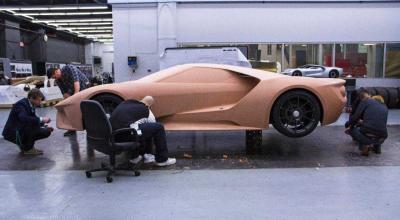
Inside a modern automotive design studio, there are enormous screens, virtual-reality headsets, laser scanners, 3D printers and computers capable of rendering a car so convincingly that its paint appe
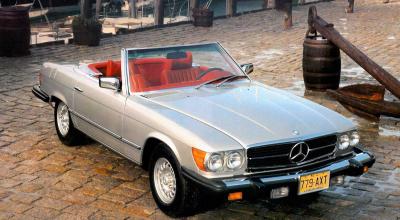
Look at an American car from 1971, then find the same model from 1974. The earlier car may have a slim chrome blade tucked neatly against its body. Three years later, the bumper appears to have lef
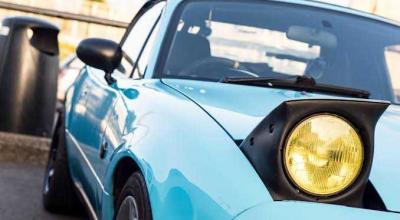
Few automotive features can make a parked car look as alive as pop-up headlights. Turn the switch and two neat sections of bodywork rise from the hood, pause with theatrical precision and reveal the l
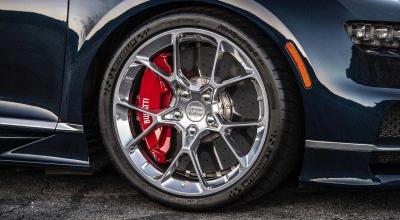
A bright red car, a metallic blue car and a taxi painted the color of a highlighter will normally leave the factory with exactly the same footwear. Black tires. The color seems so inevitable
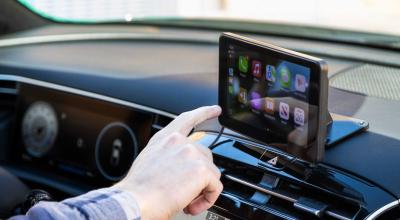
A dashboard without a radio now looks unfinished. Even the most basic car is expected to provide music, news and something to fill the silence when traffic has stopped moving but the clock has not.
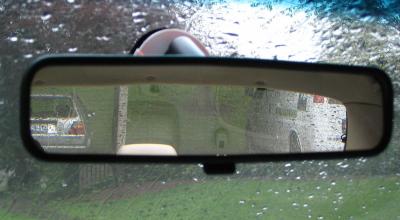
The usual history of the rearview mirror is wonderfully neat. Ray Harroun entered the first Indianapolis 500 in 1911 with a mirror attached to his Marmon Wasp. He drove alone while his competitors
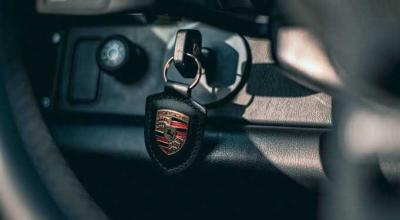
Climb into a traditional Porsche and the ignition appears on the left side of the steering wheel. Most cars place it on the right, close to the driver’s dominant hand and safely within the
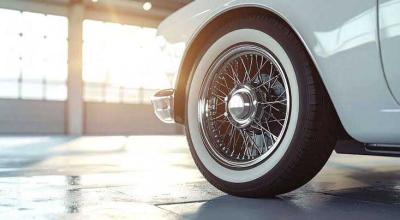
Whitewall tires have become visual shorthand for a particular kind of motoring glamour. Put them on a long Cadillac with chrome bumpers, tailfins and enough hood to host a family picnic, and the pi
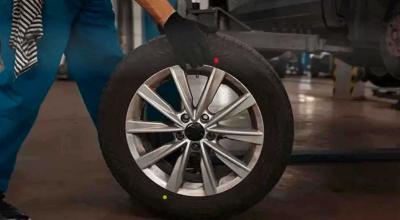
New tires arrive covered in information. Numbers identify their size, load capacity, speed rating and date of manufacture. Then, among all that serious molded lettering, someone appears to have atta