
Porsche’s Left-Side Ignition Has a Perfect Racing Story. The Evidence Makes It Messier
by AutoExpert | 4 September, 2026
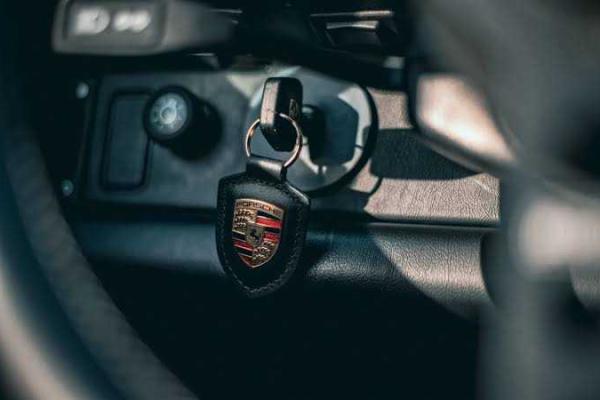
Climb into a traditional Porsche and the ignition appears on the left side of the steering wheel.
Most cars place it on the right, close to the driver’s dominant hand and safely within the broad conventions followed by almost everybody else. Porsche kept its key on the opposite side for decades and carried the placement into the era of start buttons.
Ask why, and one of the finest stories in automotive history usually follows.
It involves Le Mans, a sprint across the track and a few precious seconds saved by a driver using both hands at once.
The explanation fits Porsche so perfectly that questioning it feels almost impolite.
History, unfortunately, has poor manners.
The Le Mans story is irresistible
For many years, the 24 Hours of Le Mans began with the cars lined up along one side of the track and the drivers standing on the other.
When the flag dropped, competitors ran across the pavement, climbed into their cars, started the engines and pulled away. The spectacle was dramatic, chaotic and not especially interested in seat-belt etiquette.
According to the familiar Porsche explanation, placing the ignition on the left allowed a driver to turn the key with the left hand while using the right hand to select first gear. Both jobs could happen almost simultaneously, saving a small amount of time at the start.
Porsche has celebrated the story, and the 24 Hours of Le Mans website also connects the unusual layout with the old race-start procedure.
It sounds beautifully efficient. Left hand starts the engine, right hand finds the gear, and the Porsche launches while its rivals are still arranging themselves.
There is only one awkward problem. Porsche used a left-side ignition before it raced at Le Mans.
The chronology refuses to behave
The Porsche 356 No. 1 Roadster was completed in 1948. Its ignition was positioned to the left of the steering wheel.
Porsche did not make its Le Mans debut until 1951.
A feature cannot have been invented for a race the company had not yet entered, which immediately weakens the neatest version of the legend.
Early Porsche competition cars make the story even less tidy. Historical reviews of surviving cars and period photographs show that ignition placement was not completely consistent. Some early racing models had the key on the right or closer to the center.
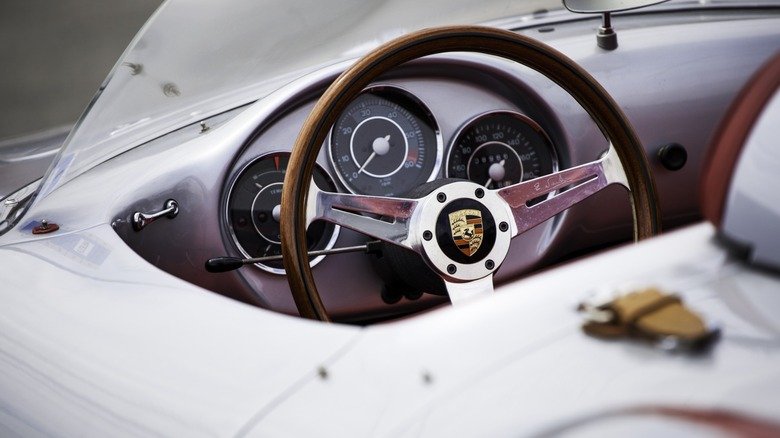
According to an investigation of early Porsche layouts, left-side ignition only became a more consistent feature of the company’s racing cars much later.
None of this makes the Le Mans connection meaningless. Once Porsche began competing there, a left-side ignition could still offer the ergonomic advantage described in the famous story.
The problem lies with the word “because.”
Porsche may have benefited from the layout at Le Mans without having originally created it for Le Mans.
The first explanation may have been much less romantic
Early sports cars were compact, hand-built machines with dashboards shaped by packaging, wiring and manufacturing convenience.
Locating the ignition switch on the left could shorten a wiring route or fit the electrical layout more easily. It may also have reflected the position of other switches, instruments or structural components behind the dashboard.
The definitive original reason has not survived with the clarity enthusiasts would like. Practical decisions are rarely documented with future mythology in mind. Somebody places a switch where it fits, production continues and decades later an entire industry searches for a heroic explanation.
Le Mans supplied the perfect one.
The story compressed Porsche’s identity into a single physical detail. Racing intelligence, efficiency and tradition all appeared inside one turn of a key. Even people with little interest in ignition wiring could understand it immediately.
Marketing departments spend fortunes trying to create details with such power.
Porsche already had one.
Racing eventually made the legend feel true
Porsche’s relationship with Le Mans became far more important after its 1951 debut. The manufacturer accumulated class victories, overall wins and a reputation for building cars capable of surviving immense speed for an entire day.
As racing success grew, the left-side ignition became easier to interpret as a piece of competition engineering.
The traditional running start disappeared after 1969. Drivers were already seated for the 1970 start, and Le Mans adopted a rolling formation from 1971. Any advantage offered by simultaneously turning the key and selecting a gear had lost its original purpose.
Porsche kept the layout anyway.
By then, the key position belonged to the brand. Moving it would have gained very little and discarded a wonderful piece of identity.
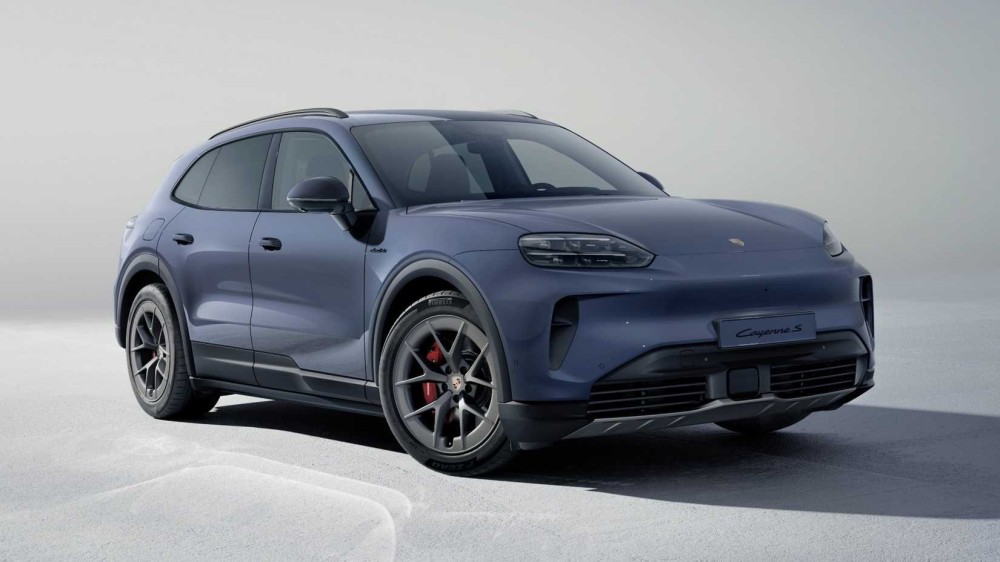
The left-side ignition migrated through generations of road cars. Buyers encountered it in the 911, Boxster, Cayman, Cayenne and Panamera. Even as physical keys gave way to electronic controls, Porsche continued placing the start function on the left in many models.
A ritual remained after the practical need had gone.
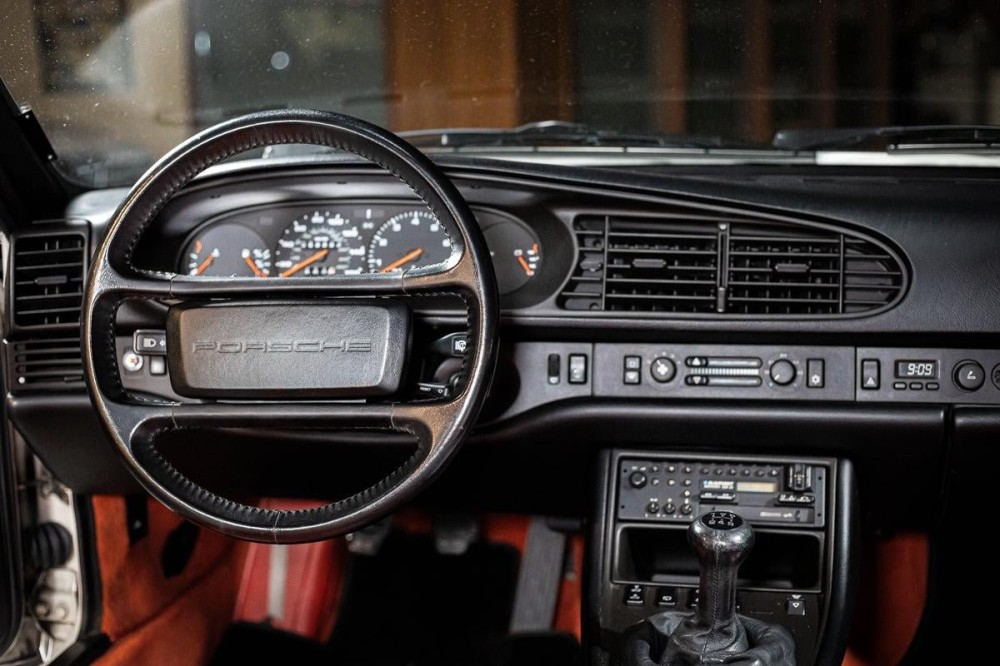
The best automotive stories are rarely perfectly clean
Automotive history loves simple explanations.
Racing stripes make cars faster to identify. British sports cars have leather hood straps because bonnet catches were unreliable. Porsche keys sit on the left because drivers needed quicker Le Mans starts.
Reality usually includes manufacturing compromises, changing designs, inconsistent prototypes and decisions nobody bothered to record.
The left-side Porsche ignition remains connected to Le Mans culture, even if the earliest example predates Porsche’s participation. Racing may have reinforced the feature, justified it and transformed it into tradition.
That version is less tidy, but far more interesting.
A mundane placement decision became useful in competition. Competition turned it into folklore. Folklore became part of the product.
Every time a modern Porsche driver reaches left to start the car, the gesture carries all three layers.
The Le Mans story may not explain the beginning perfectly. It certainly explains why Porsche never wanted the story to end.