People Called the Trabant a Cardboard Car. Its Body Was More Interesting Than That
by AutoExpert | 1 October, 2026
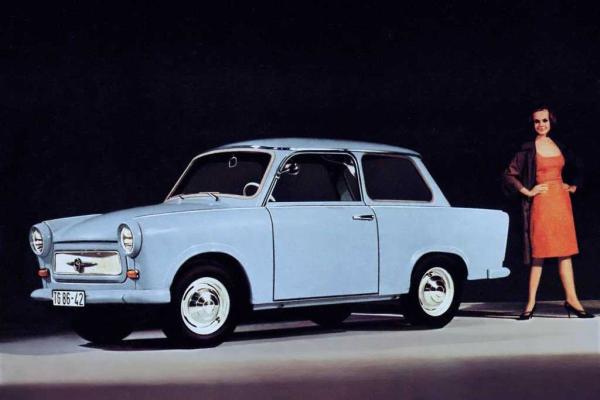
At a classic car show, a Trabant can attract two kinds of attention. Some people remember one from the streets of East Germany. Others have heard that it was made of cardboard and want to know whether they are allowed to tap the bodywork.
The nickname did the car few favors. East Germans called it Rennpappe, often translated as “racing cardboard,” which sounds like something that would surrender at the first puddle. Its outer panels were actually made from Duroplast: cotton fibers bound in resin and formed into rigid pieces. Underneath was a steel body structure.
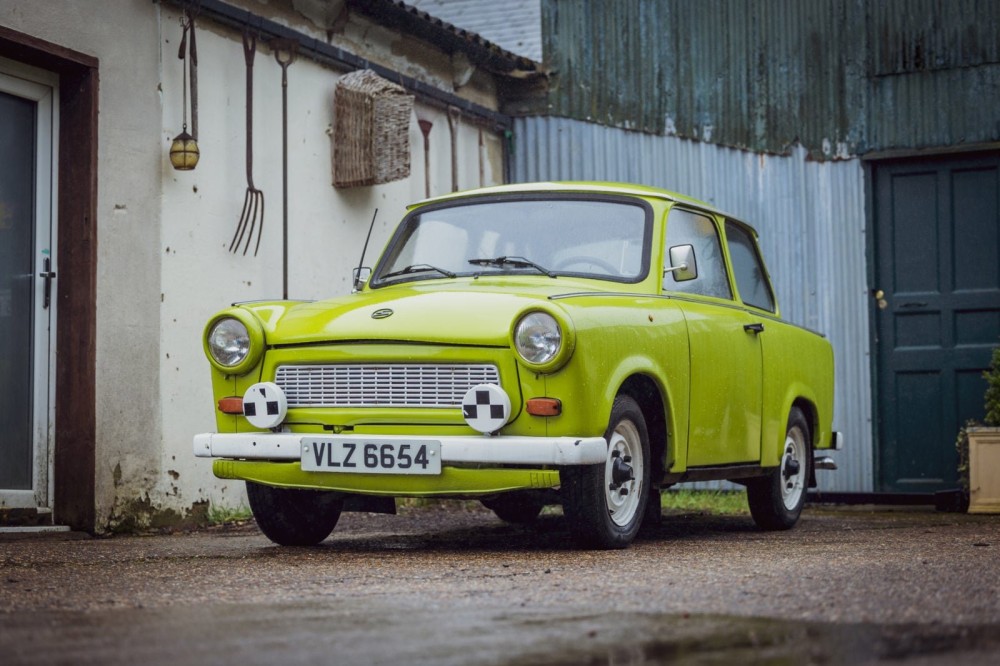
That combination tells a more revealing story than the cardboard joke. It shows what engineers could make when a country wanted cars but had limited access to the sheet steel normally used to build them.
Cotton on the outside, steel underneath
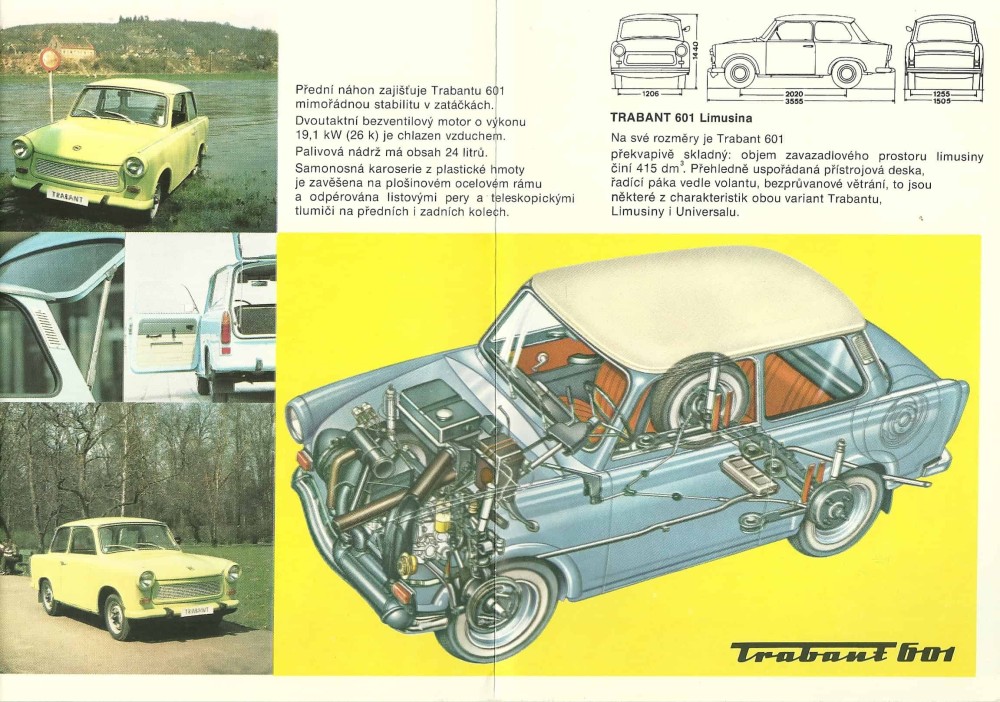
To make Duroplast panels, manufacturers combined layers of cotton-based material with phenolic resin and pressed them into shape under heat. The result was a hard plastic composite. The familiar Trabant 601 used it for its outer bodywork; the DDR Museum’s description of its 601 identifies both the cotton and the phenolic resin.
No cardboard boxes went into the doors. Nor was the whole car molded from plastic. The steel structure beneath the panels provided the framework, while the Duroplast formed the visible skin. Even the later Trabant 1.1 retained that basic pairing of steel skeleton and composite outer panels.
Why go to the trouble? Car bodies require large amounts of suitable sheet steel, along with equipment to stamp it into complex shapes. Duroplast let East German manufacturers use less of that valuable material. The panels had another useful property: unlike steel, Duroplast itself could not rust.
That last point needs a little care. A Trabant’s plastic panels may remain sound while the steel beneath them corrodes. Anyone examining one today should pay close attention to the structure, even if the painted outer panels look remarkably tidy.
An ingenious answer to a difficult problem
From a modern distance, the Trabant is easy to turn into a punchline. Its two-stroke engine and long production life invite comparisons with Western cars that changed far more quickly. But the bodywork was a serious response to a manufacturing constraint. Cotton and resin allowed production to continue without making every outer panel from scarce automotive steel.
There was a trade-off. Duroplast was a thermosetting plastic: once formed, it could not simply be melted down and reshaped like many familiar plastics. Calling the car “recyclable cardboard” would miss the material science just as badly as calling it plain cardboard in the first place.
The Trabant also meant considerably more to its owners than its nickname suggests. In a market where a new car could involve years of waiting, keeping one running was part of ordinary family life. The DDR Museum describes owners learning to repair the simple machine themselves and taking it on journeys well beyond their home towns.
So, what was a Trabant made of? Steel where it needed a framework, and cotton-reinforced Duroplast across much of its exterior. “Cardboard car” is the easier story to remember. The real one says much more about the place that built it.