
People Once Wanted Car Radios Banned Because Listening While Driving Seemed Far Too Dangerous
by AutoExpert | 10 September, 2026
A dashboard without a radio now looks unfinished. Even the most basic car is expected to provide music, news and something to fill the silence when traffic has stopped moving but the clock has not.
In 1930, putting a radio inside a car seemed much less innocent.
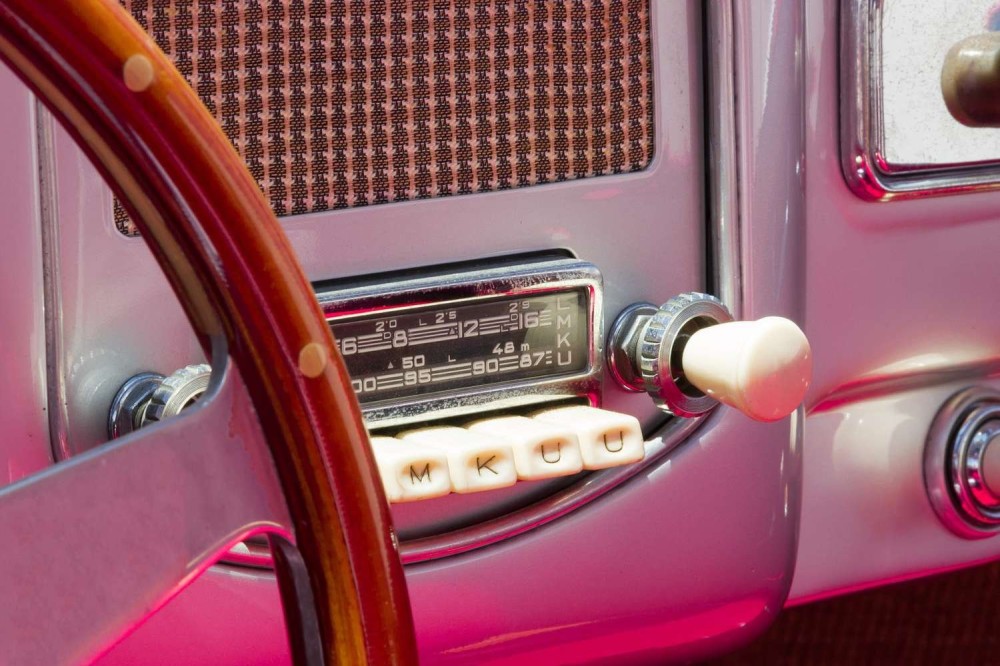
Critics worried that drivers would become absorbed in music, take their hands from the controls to search for stations or fail to hear horns and emergency vehicles. Some feared that soothing programs might even send motorists to sleep. Authorities discussed restrictions, safety organizations debated the danger and a majority of participants in one automobile-club poll reportedly decided that radios had no business competing with the road.
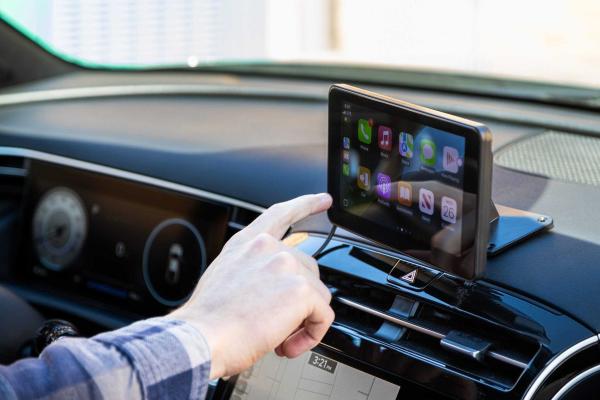
The arguments sound surprisingly familiar. Replace “radio dial” with “touchscreen menu,” and much of the conversation could have happened yesterday.
The first successful car radios were hardly compact
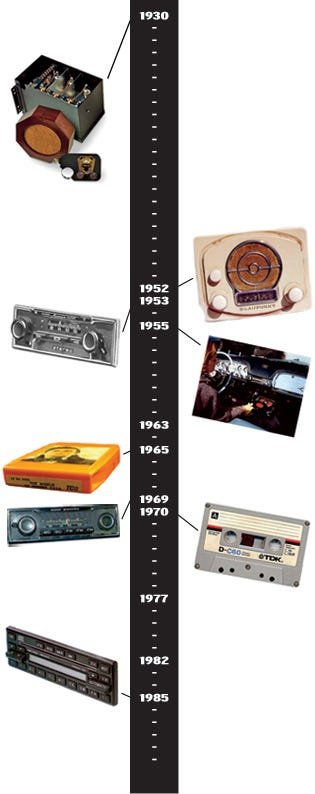
Experiments with mobile radio equipment had already taken place by the time Galvin Manufacturing introduced the Motorola 5T71 in 1930. The company’s achievement was creating one of the first commercially successful car radios, rather than inventing the entire concept from nothing.
Even then, “car radio” did not mean a tidy rectangular unit that slid into the dashboard.
The 5T71 required several separate components, including a receiver, speaker, control head, antenna and its own power equipment. Installation could involve dismantling part of the dashboard, routing wires through the car and finding space for hardware that was considerably less cooperative than a modern stereo.
It was expensive, too. The Motorola cost around $130 when a new Ford Model A could be bought for roughly $540. Choosing a radio could therefore add close to a quarter of the car’s price. Today’s expensive infotainment packages suddenly seem to have excellent historical precedent.
The name was clever. “Motorola” combined the idea of a motorcar with the popular “-ola” ending already associated with sound equipment. The product became so closely identified with its manufacturer that Galvin Manufacturing eventually adopted Motorola as the company name in 1947.
Paul Galvin understood that demonstrating the radio would matter more than describing it. Before the product’s public debut, he reportedly installed one in his Studebaker and drove the car to a radio manufacturers’ convention. Rather than paying for an exhibition booth, he parked outside and turned up the volume.
Subtle it was not. Effective it apparently was.
Motorists could not agree whether music helped or harmed
The radio arrived while driving itself still required considerable concentration. Roads were less consistent, brakes were weaker, tires were vulnerable and vehicle controls had yet to settle into the familiar arrangement used today. Reaching for a tuning knob on a bumpy road was a reasonable source of concern.
According to accounts of the early controversy, proposed restrictions appeared in places including Massachusetts and St. Louis. The idea never developed into a lasting national ban, but public anxiety did not disappear quickly.
In 1934, the Auto Club of New York asked its members what they thought. Fifty-six percent reportedly described the car radio as a “dangerous distraction.”
The opposing side had answers. Radio manufacturers argued that listening could help drivers remain awake, provide weather reports and deliver warnings about road conditions. A radio might distract someone who was constantly adjusting it, but it could also make a long, monotonous journey less tiring.
Both sides had identified something real. The equipment could be useful, entertaining and distracting at the same time. Much depended on how it was operated.
Manufacturers began making operation easier. Push-button tuning reduced the need to search manually for a station. Presets let drivers choose familiar broadcasts with one movement. Controls became better integrated into the dashboard, while the bulky boxes and complicated power arrangements gradually disappeared.
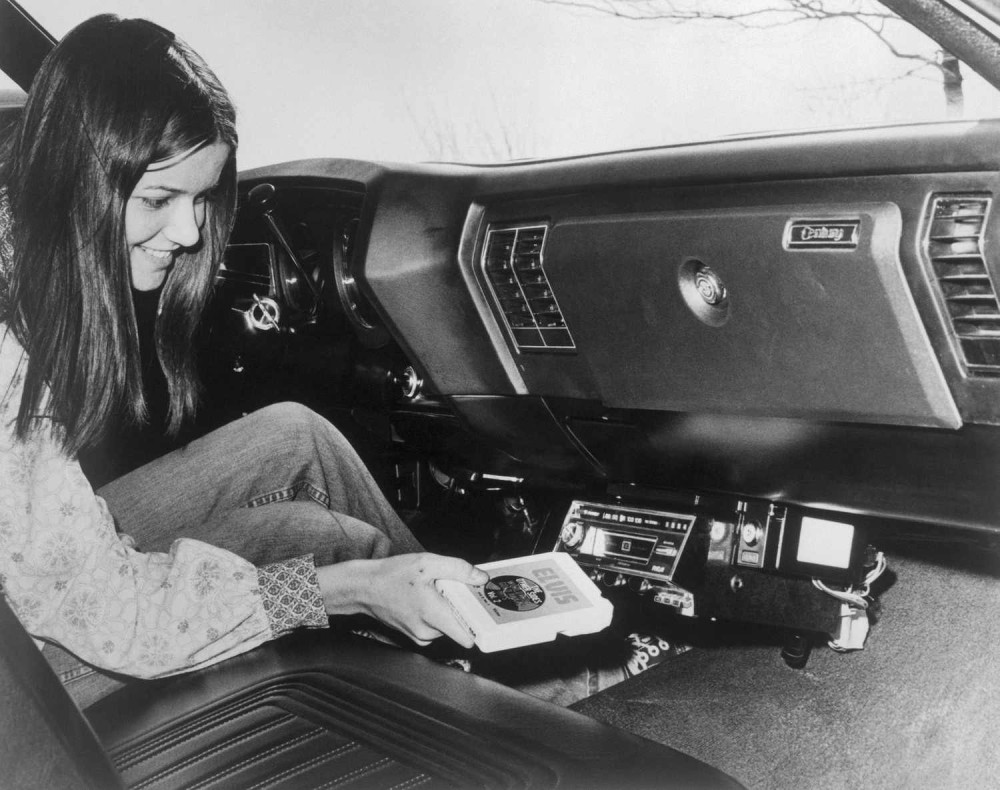
The technology improved just as quickly. Vacuum tubes gave way to transistors, making radios smaller, cooler and more dependable. AM was joined by FM, followed by eight-track players, cassette decks and compact discs. Eventually, the radio became one function inside a system that also handled navigation, telephone calls, climate settings and vehicle configuration.
The supposedly dangerous novelty had become the center of the dashboard.
The original argument never really ended
Early radio critics were wrong about one important point: listening to broadcasts did not make safe driving impossible. Millions of motorists proved that fairly quickly.
They were less wrong about controls demanding attention.
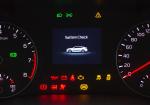
A simple radio dial can usually be operated by touch after a driver learns where it sits. A flat display provides little physical guidance, and frequently used functions may be buried beneath several menus. Even changing the cabin temperature can require a carefully aimed finger and a glance away from the road.
The entertainment system has also expanded far beyond broadcasting. It can display messages, run applications, accept voice commands, manage phone calls and offer more music than an early motorist could have heard in a lifetime. The amount of information available inside the car has changed dramatically. Human attention has not.
That does not mean every new screen is dangerous or every old knob was perfect. Modern systems can prevent distraction by locking certain features while the car is moving, reading messages aloud and placing controls on the steering wheel. Good voice operation can accomplish tasks without requiring the driver to look away at all.
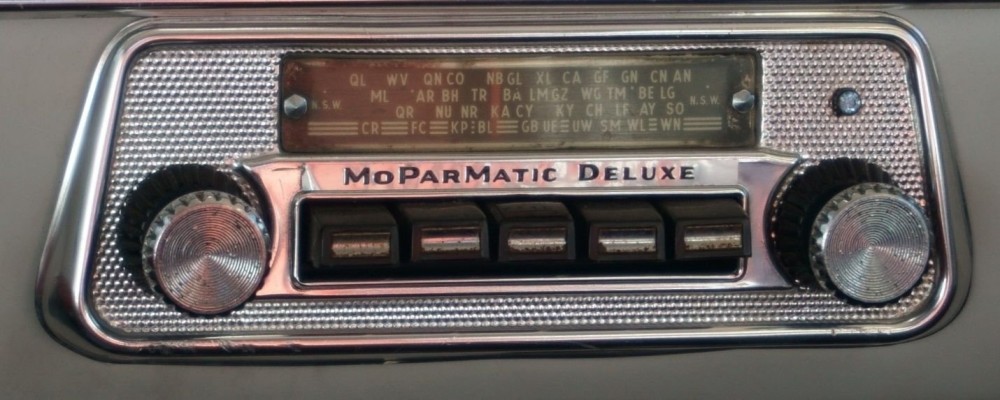
The basic design challenge remains the same one manufacturers faced in the 1930s: give the driver something useful without asking too much of the person controlling the car.
The history of car radios is therefore more than a charming story about old technology. It shows that the automotive industry has been negotiating with driver attention for nearly as long as it has been filling dashboards with electronics.
Car radios were never driven from the roads by frightened lawmakers. They became ordinary, then indispensable, and eventually almost invisible.
The distraction debate stayed right where it was, waiting for the next screen to arrive.