
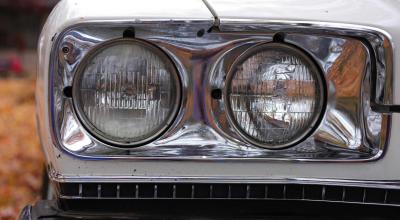
Park a 1940s Jeep beside a Chevrolet sedan, an early Volkswagen Beetle and a British roadster, then look closely at their headlights. The surrounding bodies could hardly be more different. The glass c
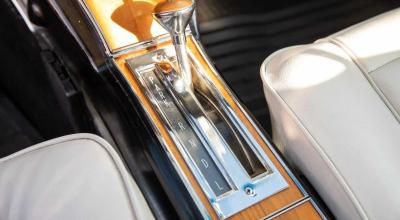
A driver can move between unfamiliar modern cars and still understand the transmission selector within seconds. Park sits at one end, followed by Reverse, Neutral and Drive. Lower ranges, manual modes
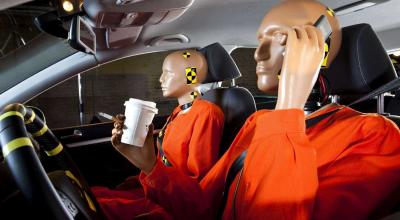
Long before a crash-test dummy sat behind the wheel of a family sedan, one was strapped into an aircraft ejection seat. Its assignment involved rocket sleds, aviation helmets and the violent forc
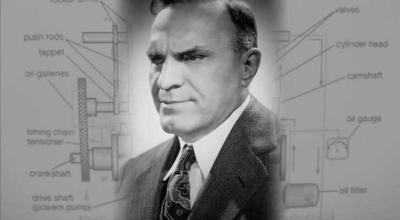
Every passenger knows the type of driver. Conversation begins, the accelerator relaxes and the car gradually slows. The driver starts speaking, enthusiasm builds and the speed rises again. Nothing dan
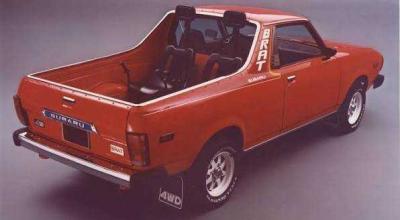
The Subaru BRAT had a cargo bed, a tailgate and the general proportions of a very small pickup truck. American versions also arrived with two plastic seats bolted into the bed, facing backward and exp
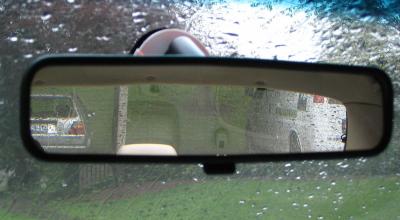
The usual history of the rearview mirror is wonderfully neat. Ray Harroun entered the first Indianapolis 500 in 1911 with a mirror attached to his Marmon Wasp. He drove alone while his competitors
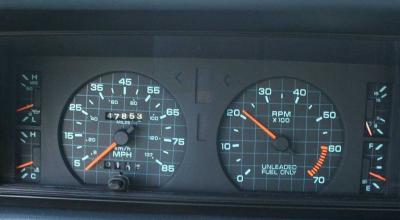
Open the door of an American-market performance car from the early 1980s and something may appear terribly wrong. There is the dramatic driving position, a powerful engine and perhaps a body design
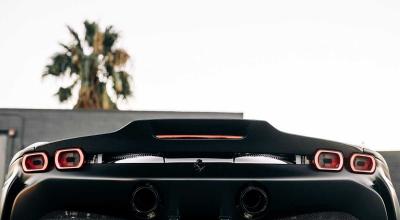
A third brake light is remarkably easy to ignore. It sits in the rear window or above the tailgate, performs one job and receives considerably less attention than the lamps surrounding it. That ano
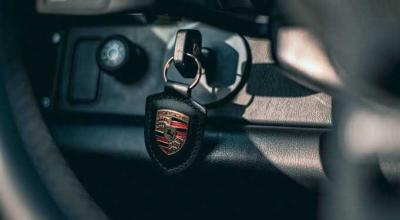
Climb into a traditional Porsche and the ignition appears on the left side of the steering wheel. Most cars place it on the right, close to the driver’s dominant hand and safely within the
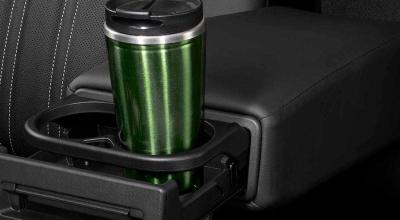
The automobile conquered continents, crossed deserts and survived two world wars before anyone decided it desperately needed a secure place for a paper cup. For much of automotive history, drivers