

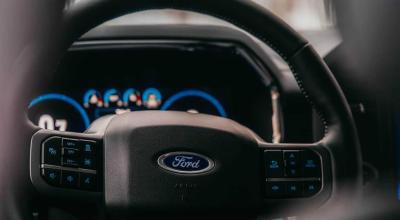
Drivers spend hours holding the steering wheel without giving much thought to what lies behind it. Remove the trim, switches and wiring, and the basic arrangement appears simple. A shaft carries th
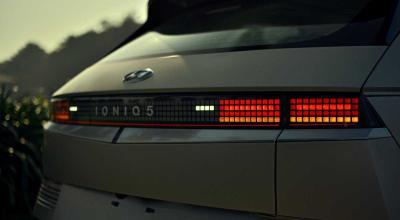
In a conventional car, the relationship between the brake pedal and the brake lights feels reassuringly simple. Press the pedal and the red lamps illuminate. Release it and they go dark. Drivers be
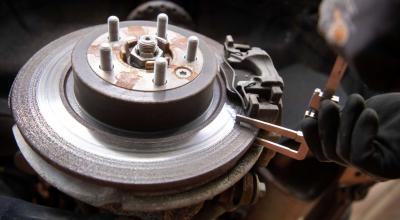
The usual explanation sounds perfectly logical. When a car slows down, its weight moves toward the front. The front tires carry more load, so the front brakes provide more of the stopping force. That
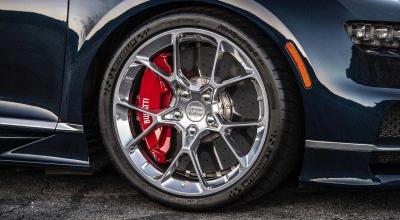
A bright red car, a metallic blue car and a taxi painted the color of a highlighter will normally leave the factory with exactly the same footwear. Black tires. The color seems so inevitable
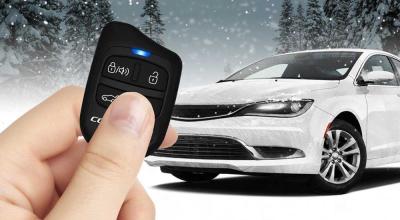
Starting a modern car requires so little effort that the action barely registers. Turn a key, press a button or let the vehicle recognize that its driver has climbed aboard. A second later, the engine
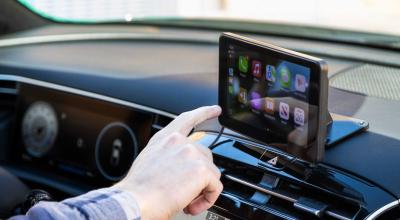
A dashboard without a radio now looks unfinished. Even the most basic car is expected to provide music, news and something to fill the silence when traffic has stopped moving but the clock has not.
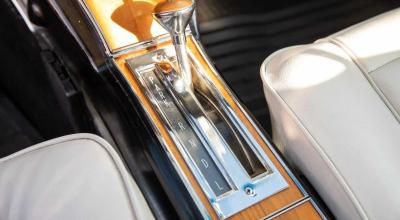
A driver can move between unfamiliar modern cars and still understand the transmission selector within seconds. Park sits at one end, followed by Reverse, Neutral and Drive. Lower ranges, manual modes
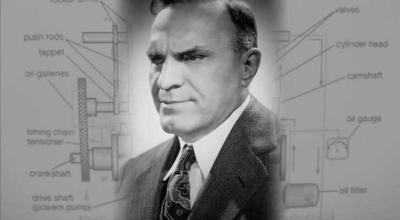
Every passenger knows the type of driver. Conversation begins, the accelerator relaxes and the car gradually slows. The driver starts speaking, enthusiasm builds and the speed rises again. Nothing dan
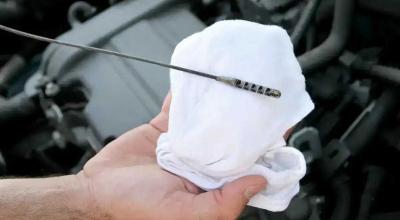
An engine can be low on oil and sound perfectly content. It may start normally, idle without complaint and carry the car through the morning commute. The driver sees no smoke, hears no knocking and re
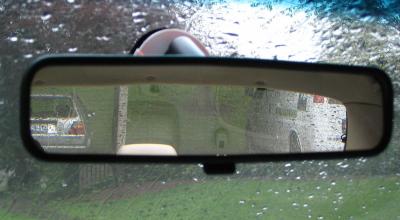
The usual history of the rearview mirror is wonderfully neat. Ray Harroun entered the first Indianapolis 500 in 1911 with a mirror attached to his Marmon Wasp. He drove alone while his competitors