

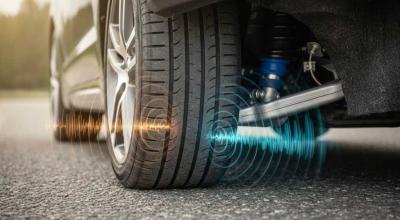
Electric cars have developed a sound of their own. Not the familiar chug of an engine or the rising growl of an exhaust, but a smooth, slightly eerie hum that seems better suited to a spacecraft glidi
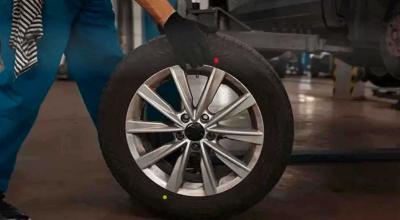
New tires arrive covered in information. Numbers identify their size, load capacity, speed rating and date of manufacture. Then, among all that serious molded lettering, someone appears to have atta

The car feels perfectly normal around town. At 35 mph, nothing rattles. At 50, there may be the faintest tremor. Reach highway speed and the steering wheel begins a steady dance between the driver&rsq

The car drifts gently toward the shoulder, and suspicion immediately falls on the alignment. That is understandable. A car should travel where it is pointed, and anything that seems to tug at the s

The tires were set perfectly that morning. Then, after a long stretch of highway, the pressure display shows every one of them sitting several pounds higher. Out comes the gauge. Sure enough, the d
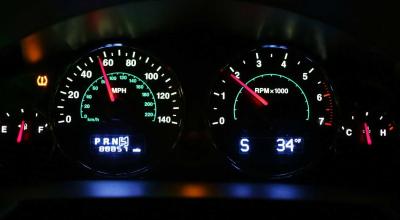
The tire-pressure warning light is not one of the dashboard’s more mysterious creations. It looks like a sagging tire with an exclamation mark inside, which is a fairly direct way of saying, &ld
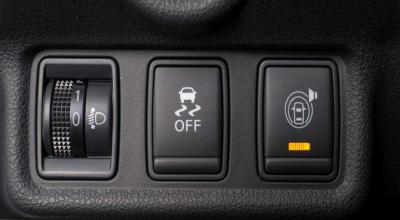
There is something wonderfully unhelpful about the traction-control symbol. It shows a car wriggling across the road, which makes the button beside it look like the obvious thing to press when the roa

The sticker inside the driver’s door says 35 PSI. After an hour on the highway, the dashboard says 39. Four extra pounds of pressure sounds like a problem. The tires were set correctly that morn

A car can sit unused for several days without concern. Stretch that pause into several weeks, however, and the first signs of neglect may begin to appear. The battery loses charge, the tires remai

Most people do not think about their tires until one of them does something rude. A warning light comes on. The car starts feeling strange. A road trip gets interrupted. Something looks low.