Your Parked Car Starts Deteriorating Sooner Than Most Drivers Think

by AutoExpert | 13 July, 2026
A car can sit unused for several days without concern. Stretch that pause into several weeks, however, and the first signs of neglect may begin to appear. The battery loses charge, the tires remain loaded in one position, and exposed brake surfaces start reacting with moisture.
There is no single deadline that applies to every vehicle. A fresh battery in a dry garage may remain usable far longer than an aging battery in a car parked outside during extreme weather. The vehicle’s age, condition, electronics, climate, and storage location all matter.

What is predictable is the order in which problems tend to arrive.
After a few days
Most healthy cars can sit for several days and start normally. The battery continues powering alarm systems, clocks, keyless-entry receivers, and computer memory, but the electrical draw is usually manageable over a short period.
Visible rust may appear on brake rotors after rain or humid weather. This is often light surface corrosion that disappears after several normal brake applications.
Tire pressure also changes with temperature, even when the car is not moving. A tire that was already slightly low can look noticeably softer after a cold spell.
After two or three weeks
The battery becomes the main concern.
A parked vehicle is never completely switched off. Small electrical loads continue drawing power, a process commonly called parasitic or key-off drain. Older batteries, vehicles with numerous connected systems, and aftermarket alarms may lose starting power sooner.
Interstate Batteries estimates that a car battery may last roughly four weeks to two months before discharging, although the actual period varies considerably by vehicle and battery condition. Its battery-storage guidance recommends a proper drive or battery maintainer when a vehicle will remain unused.
Starting the engine for five minutes in the driveway is not a useful substitute. Cranking the engine consumes energy, and a short idle may not replace it. If the car is going to be started, it should normally be driven long enough to reach operating temperature, recharge the battery, circulate fluids, and exercise the brakes.
After a month or longer
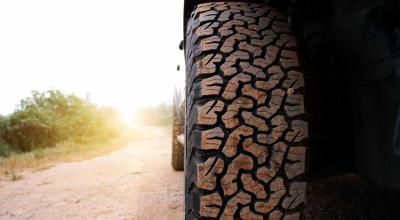
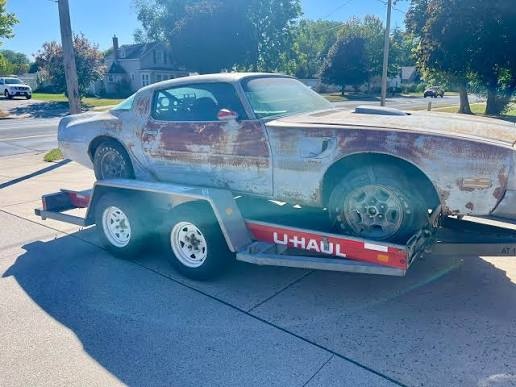
Tire flat spotting may become noticeable. The section of each tire resting on the ground can temporarily take on a flatter shape, creating vibration during the first part of the next drive.
According to Michelin’s explanation of tire flat spotting, most temporary flat spots diminish as the tires rotate and warm up. Persistent vibration should be inspected rather than dismissed.
Tires also lose air naturally over time. Inflation should be checked against the pressure listed on the driver’s door placard, not the maximum pressure molded into the tire sidewall.
Brake corrosion can become more stubborn, especially in damp or coastal conditions. The parking brake can also stick on some vehicles after extended storage. Storage instructions vary, so the owner’s manual should take priority before deciding whether to leave it engaged.
After several months
Longer storage introduces a broader set of concerns.
Gasoline can lose volatility and oxidize as it ages. Moisture may collect inside a partially empty metal fuel tank, while stale fuel can make an engine difficult to start. Fuel type, climate, tank design, and storage conditions all affect how quickly deterioration occurs.
Rodents can become a more expensive problem than the battery or fuel. A warm, undisturbed engine bay makes an attractive shelter, and wiring insulation, hoses, air filters, and sound-deadening material can all become nesting supplies.
Moisture may also affect the cabin, electrical connectors, and exposed metal. Outdoor storage adds sunlight, tree sap, bird droppings, and weather seals to the list of concerns.
How to prepare a car that will sit unused
If the car will be parked for more than a few weeks, a little preparation is far easier than reviving a neglected vehicle later.
- Clean and dry the exterior and cabin before storage.
- Check all fluid levels and complete any service already due.
- Inflate the tires to the vehicle manufacturer’s specified pressure.
- Connect a compatible smart battery maintainer if electricity is available.
- Fill the fuel tank and consider an appropriate stabilizer for extended gasoline storage.
- Store the car in a cool, dry location when possible.
- Keep rodents away from the storage area and check for nesting activity.
- Follow the owner’s manual for parking-brake, hybrid-battery, and electric-vehicle storage instructions.
AAA provides a more detailed extended vehicle-storage checklist, including battery, fuel, tire, moisture, and rodent precautions.
What to check before driving again
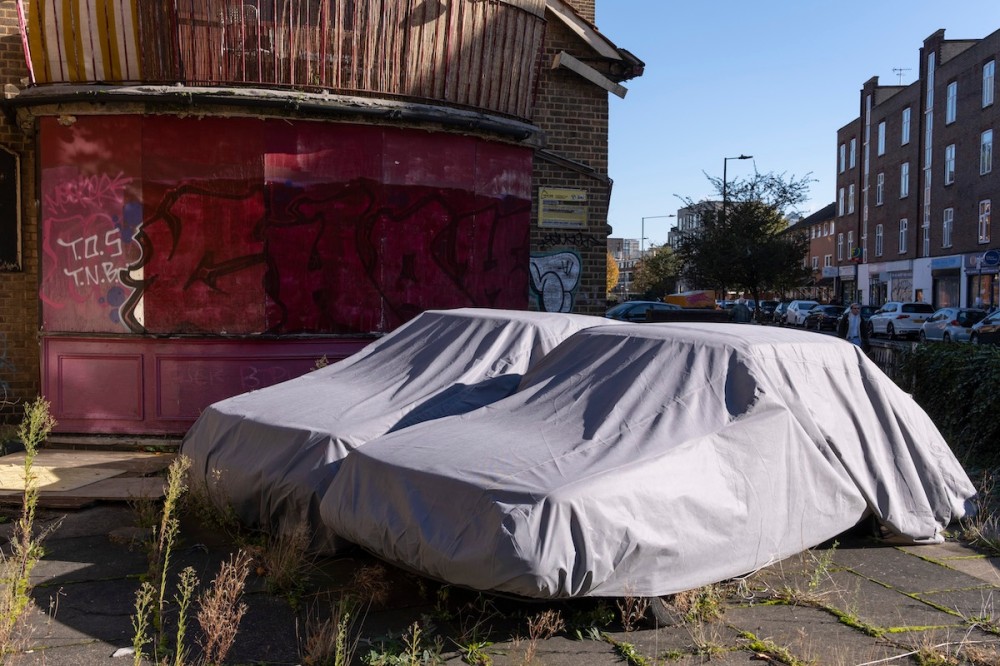
Do not simply start the car and pull into traffic after months of storage.
Look underneath for leaks. Inspect the engine bay for nests or damaged wiring. Check tire pressure and visible tire condition. Confirm that the tailpipe and air intake are clear. Test the brakes gently at low speed, and pay attention to warning lights, unusual smells, persistent vibration, or noises that do not disappear.
A car does not need to cover miles every day to stay healthy. It does need occasional proper use or thoughtful storage. Machines dislike neglect almost as much as they dislike abuse.