
Summer Heat Messes With Your Tire Pressure Faster Than Most Drivers Realize

by AutoExpert | 7 July, 2026
Most people do not think about their tires until one of them does something rude. A warning light comes on. The car starts feeling strange. A road trip gets interrupted. Something looks low. Something smells hot. Something goes wrong. Until then, tires tend to live in that category of car parts people assume are probably fine as long as the vehicle is still moving.
Summer is where that lazy little assumption gets tested.
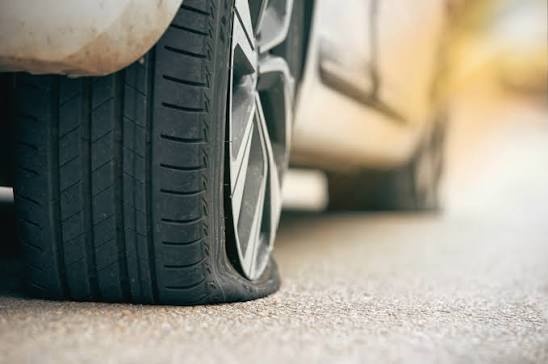
Because hot weather is hard on tires in a way that does not always announce itself dramatically at first. The pressure changes. The tread wears faster. The rubber is dealing with heat from above, heat from the road, heat from friction, and, if you are on a long drive with a loaded car, even more stress than usual. Nothing about that is theoretical. Tires work harder in summer, and if you are not paying attention, they can slide from “fine” to “problem” without much warning.
The pressure part catches a lot of people off guard.
When the temperature goes up, the air inside the tire expands. That means the PSI can rise even though you did not do anything to it. Then the tire heats up more once you start driving, which changes the reading again. Add in scorching pavement, highway speed, luggage, passengers, and the general abuse of summer travel, and suddenly a thing most drivers check only when bullied by a dashboard light becomes a lot more important.
That does not mean you need to become weird about it. It just means you need to stop ignoring it.
The simplest thing you can do is also the one that matters most: check your tire pressure regularly when the tires are cold. Morning is best, before the car has been driven and before the sun has had all day to cook everything. That gives you the cleanest reading. If you check after driving, the pressure will already be up from heat, and now you are reacting to a moving target.
And when you do check it, use the number on the sticker inside the driver’s door or in the owner’s manual. Not the number printed on the tire itself. That sidewall number is where people get themselves confused all the time. It is not the “best pressure.” It is the maximum. Those are not the same thing at all.
Summer also has a nasty way of exposing tires that were already a little questionable.
If the tread is getting thin, the rubber is aging, or one tire has been slowly losing pressure and you have been pretending not to notice, heat tends to make all of that less forgiving. A worn tire on a cool day is still a problem. A worn tire on blazing pavement, with a full car and a long highway run ahead, is a much more serious one. That is why summer tire care is not just about pressure. It is also about actually looking at the tires once in a while like you are expecting them to tell you the truth.
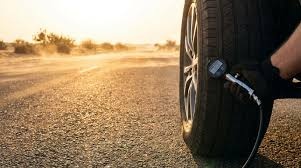
Check for uneven wear. Check for cracks. Check for bulges. Check whether one tire seems to be behaving differently from the others. If it does, believe it. Tires are not subtle forever.
And then there is the road-trip part, which is where people really start asking too much of them.
Summer is when cars suddenly carry more than usual. Extra passengers, coolers, bags, beach gear, camping stuff, strollers, random chaos, maybe even towing. All that weight lands on the tires. So if the vehicle is overloaded and the pavement is baking and the trip is long, those tires are already under real pressure before you even start adding aggressive driving on top of it.
That matters too.
Hard braking, quick acceleration, high speed for hours, all of that adds more friction and more heat. On some level this is obvious, but people still drive like the car is unaffected by weather. In reality, a tire that is already dealing with serious summer heat does not need your help getting hotter. A calmer driving style is not just about saving fuel or being sensible. It is also one of the easiest ways to stop adding stress to the exact part of the car you least want to fail at highway speed.
Parking helps a little too, even if it is not the whole answer. Shade is better than direct sun. A garage is better than both. Anything that gives the tires less time sitting on superheated pavement while cooking in full sunlight is useful. It will not solve everything, but summer tire trouble is often about reducing stress where you can, not pretending you control every variable.
That is really the bigger point here.
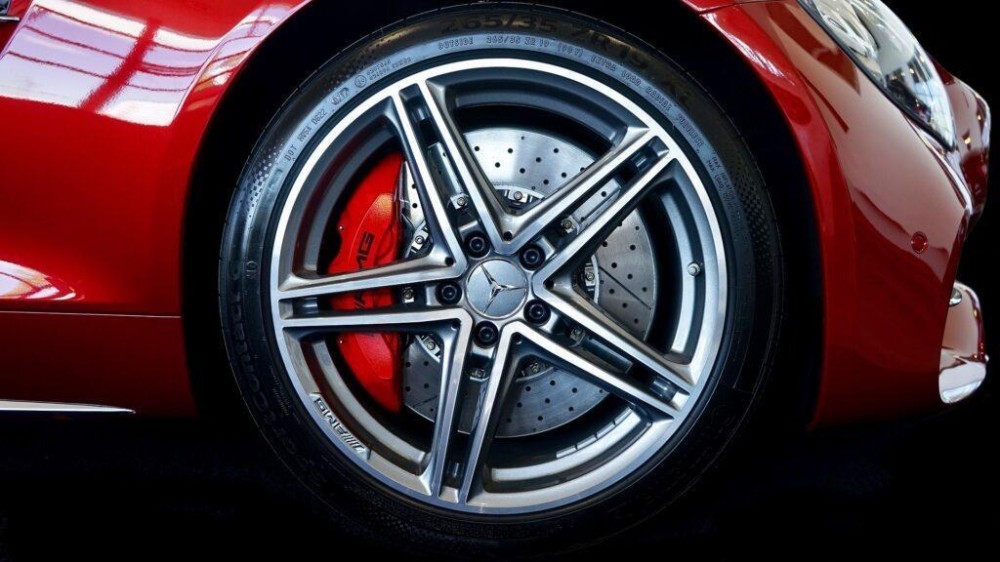
Keeping your tire pressure stable in hot weather is not about some magic hack. It is about paying slightly more attention than usual during the season when your tires are being asked to do more. Check them cold. Use the correct PSI. Watch the tread. Do not overload the car. Drive like you would prefer the trip to stay boring. That is the formula.
Because summer tire problems usually do not arrive with much creativity.
They are almost always the result of heat, neglect, bad luck, or some charming combination of all three.