
That Spaceship Sound From an Electric Car Is Not the Motor. It Was Put There on Purpose

by AutoExpert | 13 August, 2026
Electric cars have developed a sound of their own. Not the familiar chug of an engine or the rising growl of an exhaust, but a smooth, slightly eerie hum that seems better suited to a spacecraft gliding into a docking bay.
It is especially noticeable in parking lots. An electric car begins moving, and a synthetic tone rises from somewhere near its front bumper. Some sound airy and expensive. Others produce a low electronic drone. A few seem to have been composed by somebody who spent a little too much time watching science-fiction films.
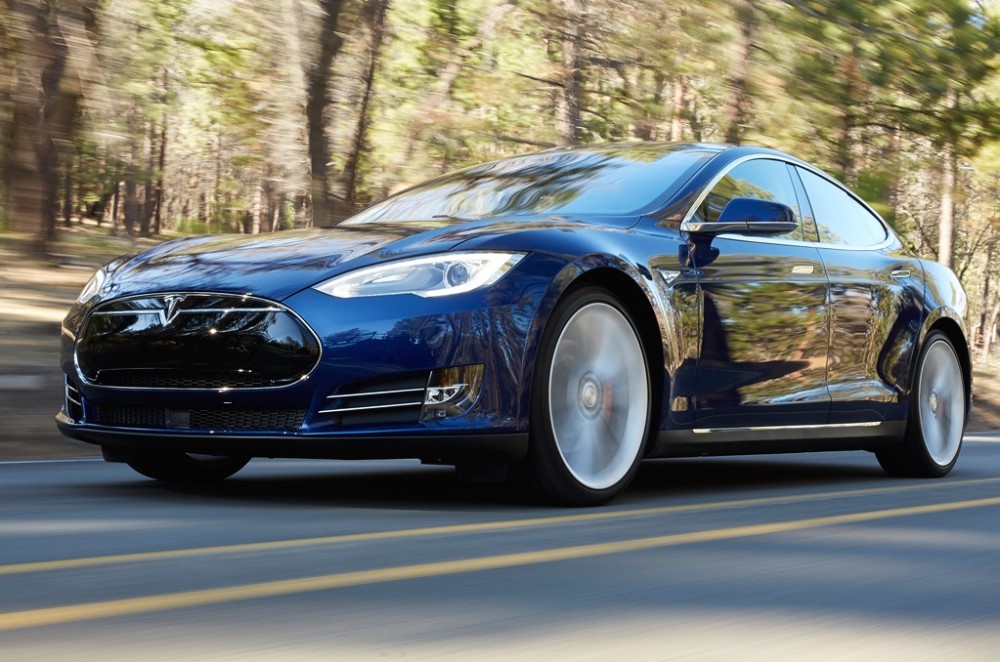
What makes the sound interesting is that it usually is not coming from the motor.
Electric motors are not completely silent, of course. They produce whines, vibrations and other mechanical noises. At low speeds, however, an electric car can be quiet enough that pedestrians may not notice it approaching, particularly when there is little tire or wind noise to announce its presence.
That presented a genuine safety problem. People had spent a century learning to associate the sound of an engine with a moving vehicle. Electric cars changed the rules without giving anyone much time to adjust.
The solution was surprisingly simple: if the car does not make enough noise naturally, give it a voice.
A soundtrack for the parking lot
In the United States, the federal “quiet car” standard requires certain electric and hybrid vehicles to produce warning sounds while moving slowly. The rules cover forward movement and reversing, with detailed requirements governing how the sound must behave at different speeds.
The warning is generally needed below roughly 19 mph. Above that point, the tires, airflow and other mechanical sounds usually provide enough audible warning on their own. That is why the electronic hum may appear to fade away as the car gathers speed.
The sound is played through an external speaker, often mounted low in the front of the vehicle. It is intended for people outside the car rather than the driver, although some vehicles also create separate cabin sounds for atmosphere or feedback.
This is where things get creative.
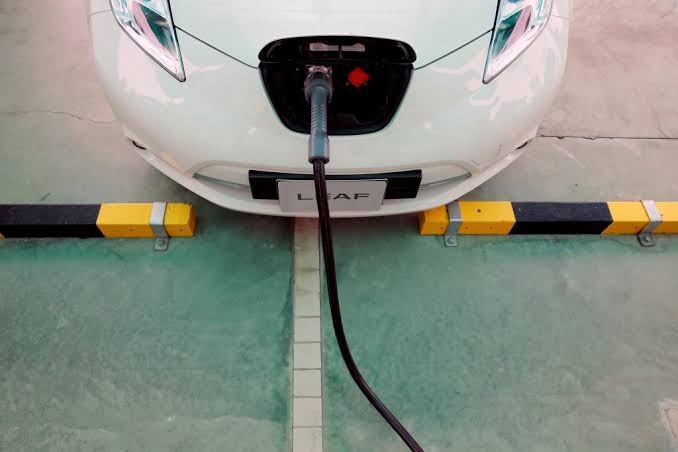
The regulations do not require every electric car to sound identical. Manufacturers have room to develop their own acoustic identities, provided the result meets the required safety criteria. The sound must be noticeable and change appropriately as the vehicle moves, but it does not have to imitate a gasoline engine.
That freedom explains why one EV may emit a restrained hum while another sounds as though it is charging a plasma cannon.
Some manufacturers prefer tones that suggest speed and technology. Others use warmer sounds that blend more naturally into a city. The challenge is to create something pedestrians can recognize without making every quiet street sound like an arcade.
Why reversing can sound different
Drivers may also notice that an EV’s reversing sound is more pronounced, or simply stranger, than its forward tone.
There is a practical reason for that. A vehicle backing out of a space may be difficult to see, especially between two larger SUVs. Pedestrians can also approach from behind without realizing that the driver is about to move. A distinctive reversing sound provides an extra warning before the car enters their path.
The exact behavior varies by vehicle. Some use a pulsing tone. Others use a continuous electronic sound. What matters is that the noise is not a malfunction, even if it initially sounds like one.
It is also different from the beeping produced by a truck or commercial vehicle. The EV sound is designed to help listeners recognize the movement and changing speed of the car, not simply announce that something nearby is reversing.
It should not be disabled
Because the noise is artificial, owners occasionally look for ways to silence it. Perhaps it can be heard inside a quiet garage. Perhaps the particular tone becomes irritating after hearing it every morning.
Disabling it is a bad idea.
The system is safety equipment, particularly important for people who are blind, have impaired vision or are distracted by the ordinary noise of a busy street. Children, cyclists and anyone walking between parked cars may also depend on that warning without consciously realizing it.
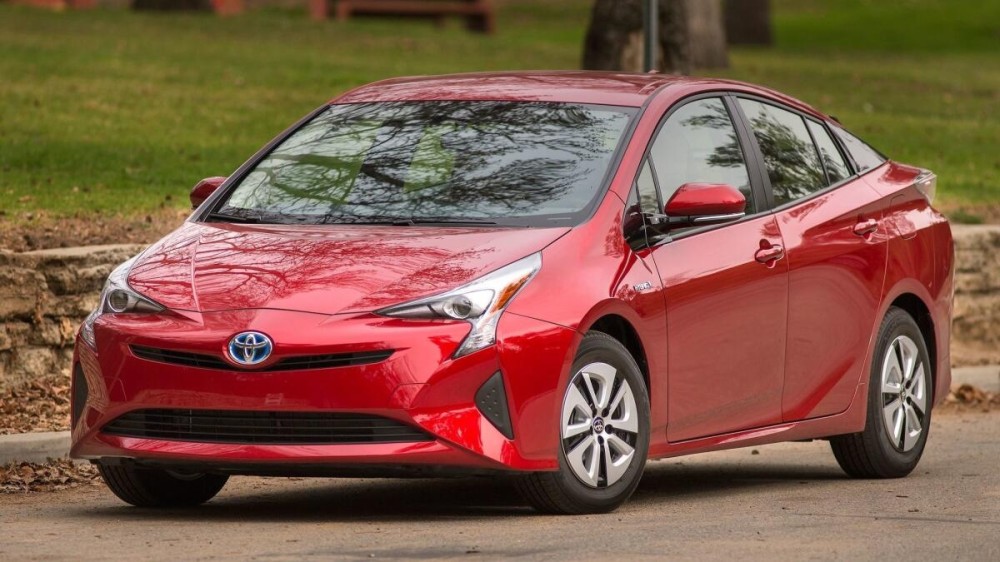
If the sound suddenly disappears, becomes distorted or triggers a dashboard message, the system deserves inspection. A damaged speaker, loose connection or previous bumper repair could prevent it from working correctly.
The quietest part of an electric car may therefore be making one of its most important noises. That strange hum is not an unfortunate by-product of the motor, and it is not merely a designer showing off.
It is the car politely clearing its throat before entering the room.