

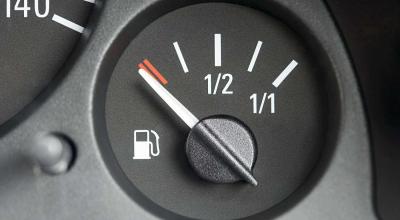
The low-fuel light is on, so a few gallons go into the tank. The engine starts, the receipt confirms that actual gasoline was purchased, and the gauge responds by remaining exactly where it was. No
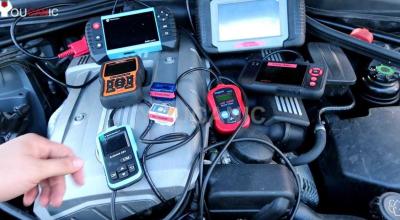
The seller has polished the paint, vacuumed the carpets and arranged the service receipts in a folder that looks reassuringly thick. The engine starts without complaint. No warning lights remain on af
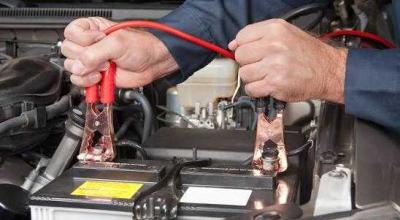
Red goes to positive. Black goes to negative. It is the sort of rule that feels too simple to forget. It is also incomplete. When jump-starting many modern cars, the final black clamp is not suppos
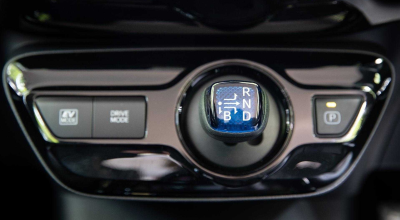
Park, Reverse, Neutral and Drive need little introduction. Then there is B. It sits on the shifter of many hybrids looking important but refusing to explain itself. Battery seems like the obvious
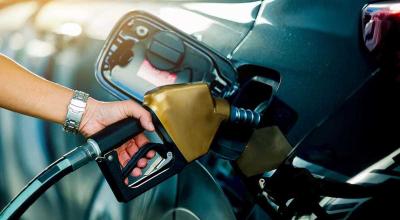
The pump stops at $47.83. It is not a particularly satisfying number. Another quick squeeze would make it $48. A couple more might bring it to a nice, tidy $50. The nozzle clicks again, a few drops di
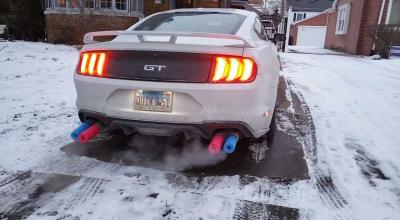
The car is parked out front, freshly washed and looking suspiciously pleased with itself. The seller hands over the key, mentions that it “runs beautifully,” and points out that the engine
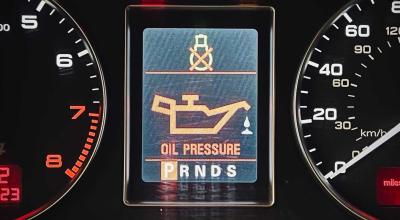
There are dashboard lights that can wait until the weekend. A low washer-fluid warning, for instance, is hardly a reason to abandon a grocery run. The red oil-can symbol is not one of those lights.
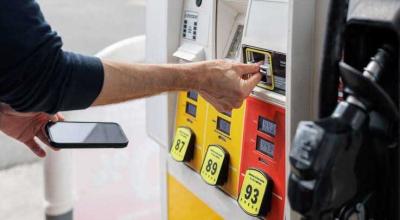
The extra button at the fuel pump has a way of making regular gasoline seem slightly irresponsible. It is sitting there with a higher number, a higher price, and the word “premium” printed

A car can sit unused for several days without concern. Stretch that pause into several weeks, however, and the first signs of neglect may begin to appear. The battery loses charge, the tires remai

The word “premium” makes the expensive pump handle sound like the healthier choice. Better fuel, cleaner engine, more power. It is an easy assumption to make, especially when regular,