

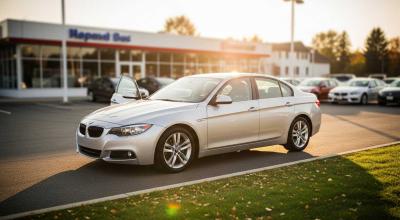
A remarkably low odometer reading has a way of making every other detail fade into the background. The paint may be dull, the tires may look suspiciously old and the service book may contain a de
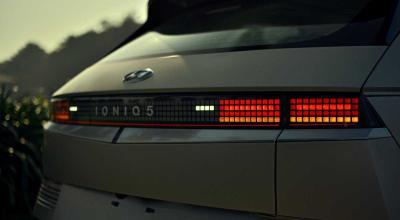
In a conventional car, the relationship between the brake pedal and the brake lights feels reassuringly simple. Press the pedal and the red lamps illuminate. Release it and they go dark. Drivers be
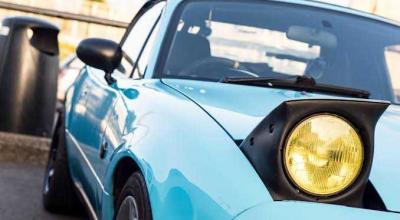
Few automotive features can make a parked car look as alive as pop-up headlights. Turn the switch and two neat sections of bodywork rise from the hood, pause with theatrical precision and reveal the l
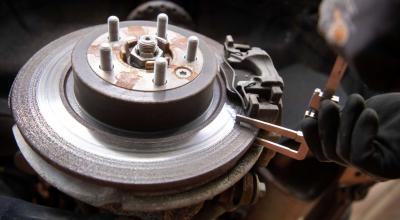
The usual explanation sounds perfectly logical. When a car slows down, its weight moves toward the front. The front tires carry more load, so the front brakes provide more of the stopping force. That
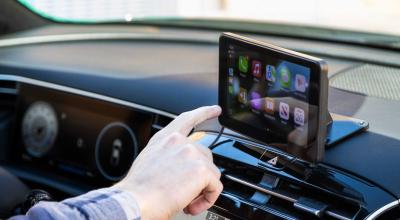
A dashboard without a radio now looks unfinished. Even the most basic car is expected to provide music, news and something to fill the silence when traffic has stopped moving but the clock has not.
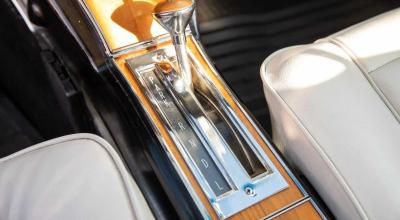
A driver can move between unfamiliar modern cars and still understand the transmission selector within seconds. Park sits at one end, followed by Reverse, Neutral and Drive. Lower ranges, manual modes
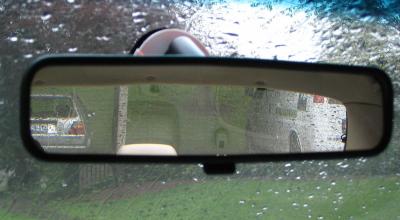
The usual history of the rearview mirror is wonderfully neat. Ray Harroun entered the first Indianapolis 500 in 1911 with a mirror attached to his Marmon Wasp. He drove alone while his competitors
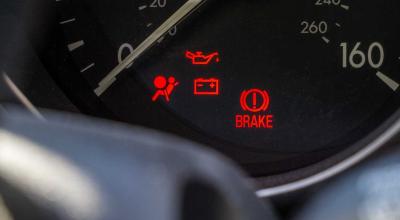
The parking brake has been released, but the red warning light remains on. The first reaction is usually to pull the lever again or press the parking-brake switch a few times. Perhaps the sensor
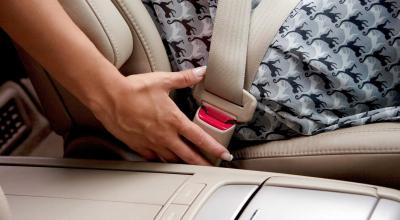
A seat belt can work perfectly all week, then refuse to move on the one morning when the car happens to be parked nose-down on a steep driveway. Pull gently and nothing happens. Give it a firmer tu
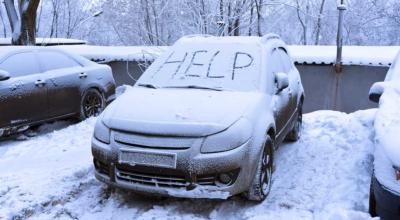
The brake pedal is down. The engine may even be running. Yet the gear lever remains planted in Park with the determination of a fence post. Pulling harder rarely improves the situation. It can, how