

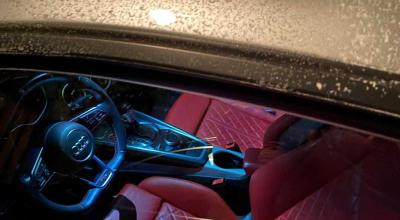
Open the door of a car with frameless side glass and watch the top edge of the window. It may drop a fraction of an inch before the door swings out, then rise again after the door closes. The movement
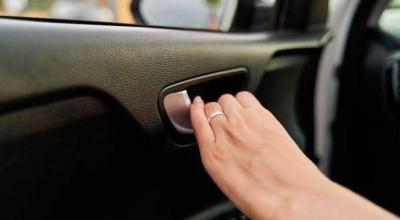
Open a car door slowly and you may feel it pause partway, then settle again when opened farther. Those pauses are useful when you are climbing out beside another parked car. They also explain why a fa
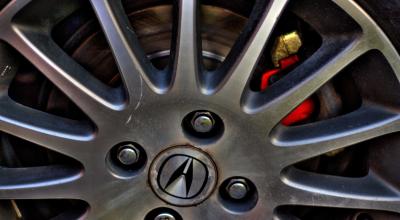
A stubborn wheel nut invites a familiar response: a longer wrench, a firmer pull and perhaps a few unkind words. On certain older Chryslers, that approach can end with a snapped stud. The nut was neve
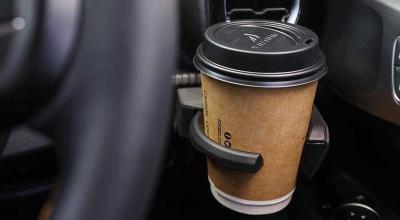
A classic car could provide a cigarette lighter within easy reach of the driver, another for the front passenger and sometimes individual ashtrays for the people in the back. Yet bring a cup of coffee
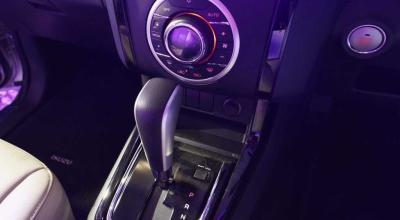
Press the accelerator hard in a conventional automatic car and its behavior follows a familiar rhythm. The engine climbs through the rev range, the transmission changes gear and the engine note drops
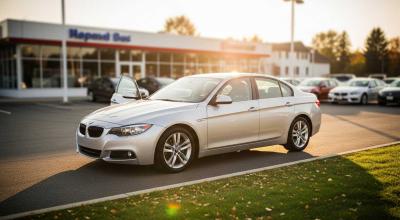
A remarkably low odometer reading has a way of making every other detail fade into the background. The paint may be dull, the tires may look suspiciously old and the service book may contain a de
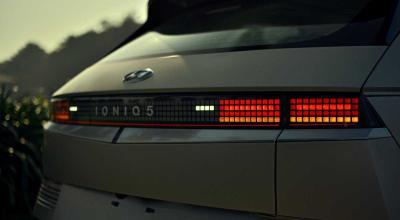
In a conventional car, the relationship between the brake pedal and the brake lights feels reassuringly simple. Press the pedal and the red lamps illuminate. Release it and they go dark. Drivers be
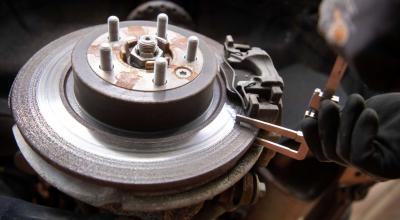
The usual explanation sounds perfectly logical. When a car slows down, its weight moves toward the front. The front tires carry more load, so the front brakes provide more of the stopping force. That
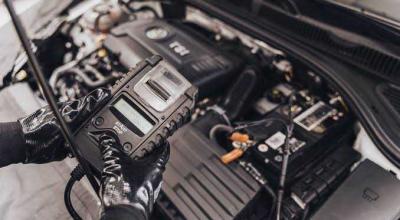
Changing a car battery used to be one of the cleaner bargains in home mechanics. Remove two terminals, undo the clamp, lift out the old battery and fit the new one. The clock might need resetting a
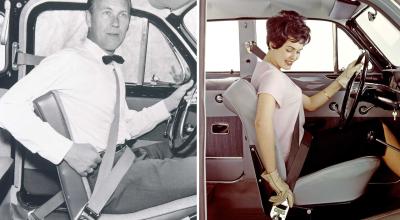
Open the door of certain 1980s or early 1990s cars and a small buckle begins travelling along the roofline. Sit down, close the door and the shoulder belt glides toward the B-pillar, hopefully passi