That Tiny Window Dip When You Open the Door Is Protecting the Glass
by AutoExpert | 29 September, 2026
Open the door of a car with frameless side glass and watch the top edge of the window. It may drop a fraction of an inch before the door swings out, then rise again after the door closes. The movement is so small that many owners first notice it when it doesn't happen.
With no metal frame around the glass, the window itself has to meet the seal along the roof. Lowering it slightly gives the glass room to clear that seal as the door moves. Once the door is shut, the window can rise into place. Tesla’s Model 3 manual explicitly says its windows lower a little when a door opens or closes to avoid damage.
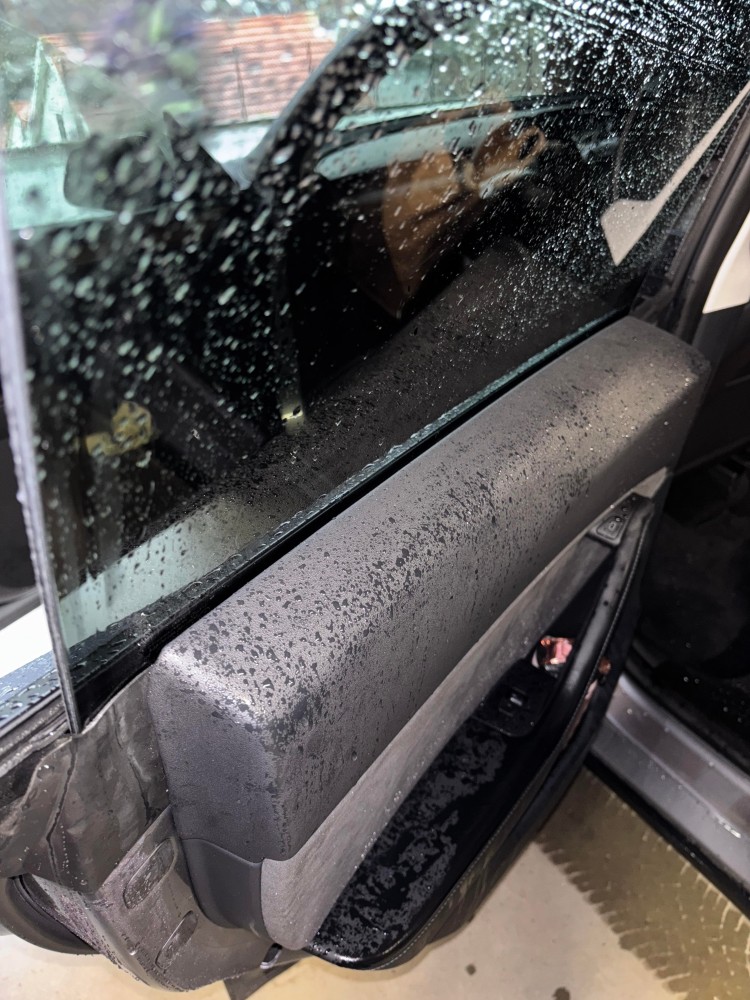
It is a neat piece of choreography, although it relies on the glass being able to move when asked.
When the window misses its cue
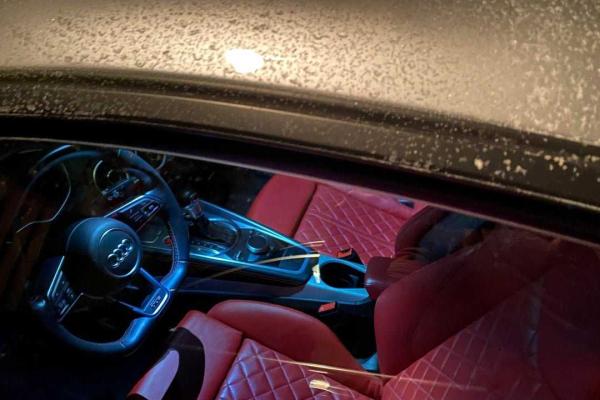
A cold morning can reveal why that matters. Ice may hold the glass against the seal while someone pulls the door handle. On some vehicles, the software even leaves the window a little below the trim in cold weather to make freezing less likely. Tesla describes that behavior in its cold-weather guidance and recommends defrosting the windows when ice has formed.
A loss of electrical power creates a different problem. On the Model 3, using the manual door release means the window will not automatically lower; Tesla warns that the glass or trim could be damaged. That instruction is specific to the vehicle, but the underlying issue is easy to picture: a door can move even when its window cannot. Anyone dealing with a powerless car should follow that model’s emergency-opening instructions rather than assume the glass will clear the seal.
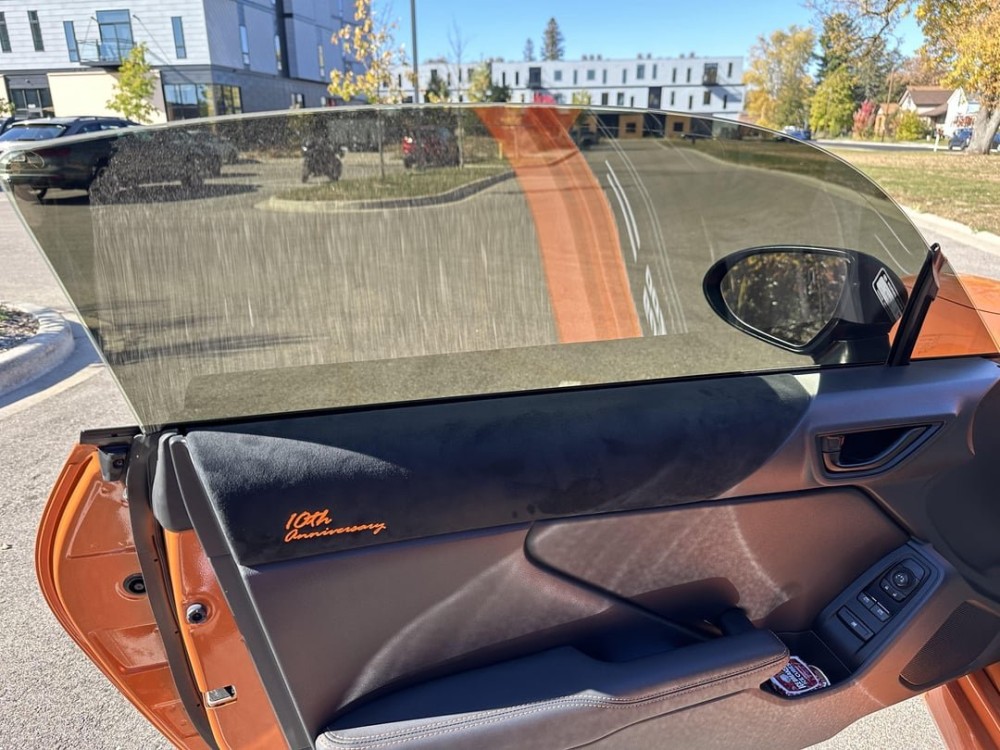
The more ordinary warning sign is a window that has begun behaving differently. Perhaps it drops much farther than it used to. Perhaps it stays low after the door closes, catches the roof trim, or leaves a new whistle at speed. Those symptoms deserve a look before repeated door slams turn a small fault into damaged trim or glass.
The cause is not always a broken motor. A window may have lost track of its proper travel limits. Tesla lists unexpected movement among the reasons to try its published window-calibration procedure, then recommends service if calibration does not resolve the issue. Other manufacturers may use different procedures, so the car’s own manual is the place to start.
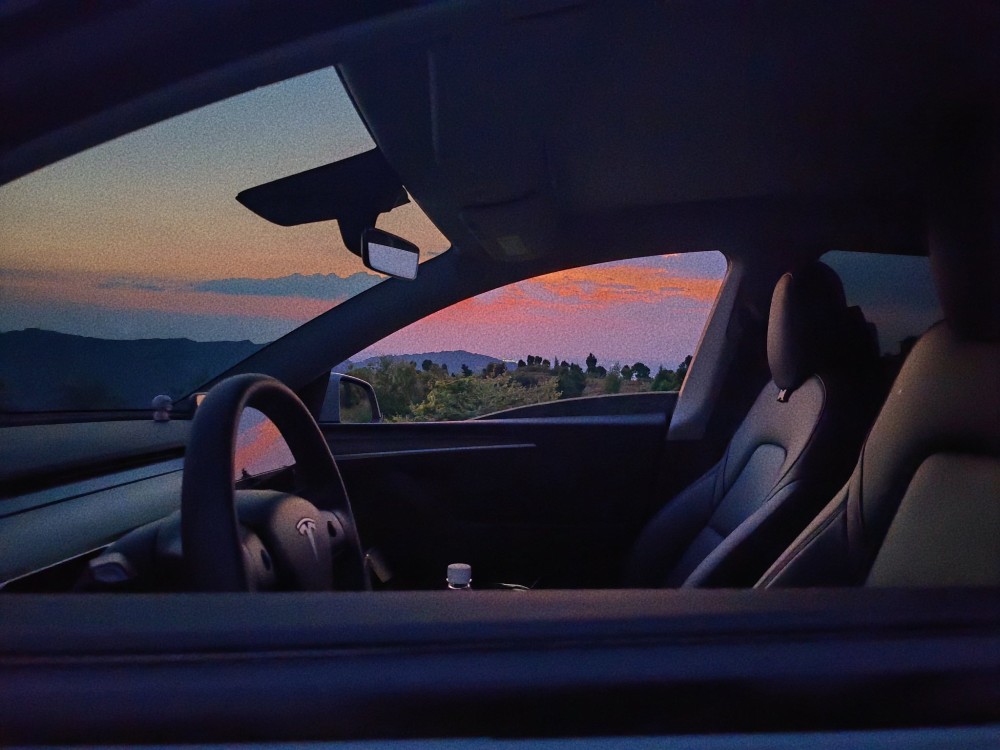
There is also an easily missed habit to avoid: raising the window fully while the door is open, then closing the door against the glass. On a car that needs room for its indexing movement, leave the window slightly lowered until the door is shut, as its manufacturer directs.
That brief dip is doing real work. When it changes, the car may be telling you something about its seals, its window position or its ability to move the glass at all.