
The Wheel Nut Wouldn’t Budge. The Mechanic Was Turning It the Wrong Way

by AutoExpert | 24 September, 2026
A stubborn wheel nut invites a familiar response: a longer wrench, a firmer pull and perhaps a few unkind words. On certain older Chryslers, that approach can end with a snapped stud. The nut was never stuck. It was being tightened.
Many Chrysler Corporation cars once used left hand thread lug nuts on the driver’s side. Stand beside the left front wheel and turn one of those nuts clockwise to loosen it. On the passenger’s side, the usual rule applies: counterclockwise loosens. Chrysler’s 1962 service instructions, reproduced by the Online Imperial Club, put it plainly: turn left on the right wheels and right on the left wheels.
It sounds like an elaborate practical joke until you consider what engineers were trying to prevent. Early wheel hardware differed from the tapered nuts and carefully specified clamping arrangements familiar today. Chrysler’s concern was that normal threads on the left side might work loose as the wheel turned. Reversing those threads was intended to make that less likely. The company kept the arrangement for decades, long enough for it to become a recurring surprise in tire shops.
Look before reaching for the wrench
The useful lesson is that the badge and model year alone cannot tell you what is fitted to a particular surviving car. Wheels, drums, hubs and studs may have been replaced over its lifetime. An owner might also have converted the left side to conventional threads so every wheel could be serviced the same way.
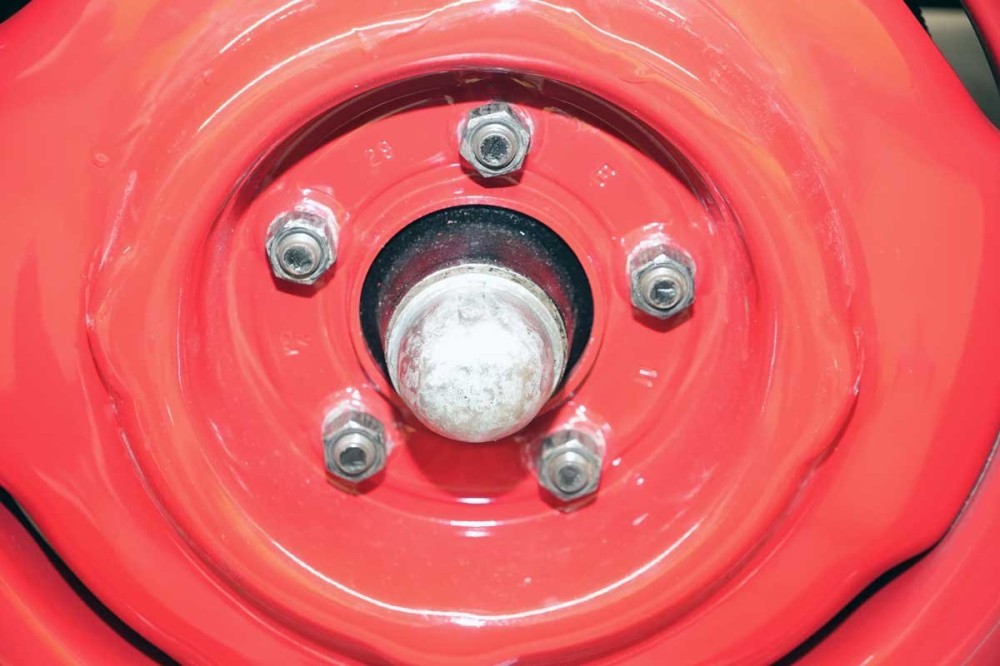
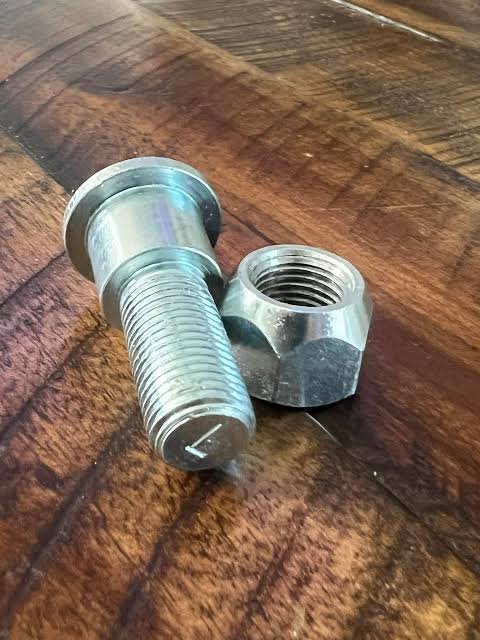
Look for an L stamped on a stud or markings on the nuts, then check the manual or parts information for the exact vehicle. Markings are helpful clues, though replacement hardware may look different from the originals. If a nut resists a sensible amount of force, stop and confirm its thread direction before bringing out the impact wrench.
Once the wheel is back on, tighten its fasteners using the vehicle’s specified procedure and torque. Thread direction is only one part of keeping a wheel secure; the right hardware, clean mating surfaces and correct clamping force matter too.
Modern drivers learn “lefty loosey” so early that it feels less like a convention than a law of nature. An old Mopar has a polite, occasionally expensive way of reminding them otherwise.