That Click as Your Car Door Opens Has a Job. A Loud Pop May Mean Trouble
by AutoExpert | 25 September, 2026
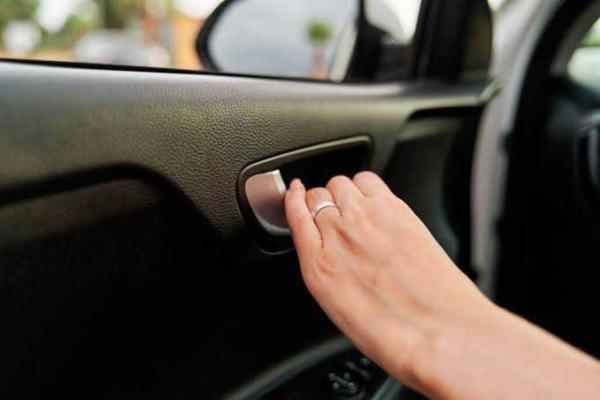
Open a car door slowly and you may feel it pause partway, then settle again when opened farther. Those pauses are useful when you are climbing out beside another parked car. They also explain why a faint, familiar click during opening may be perfectly ordinary.
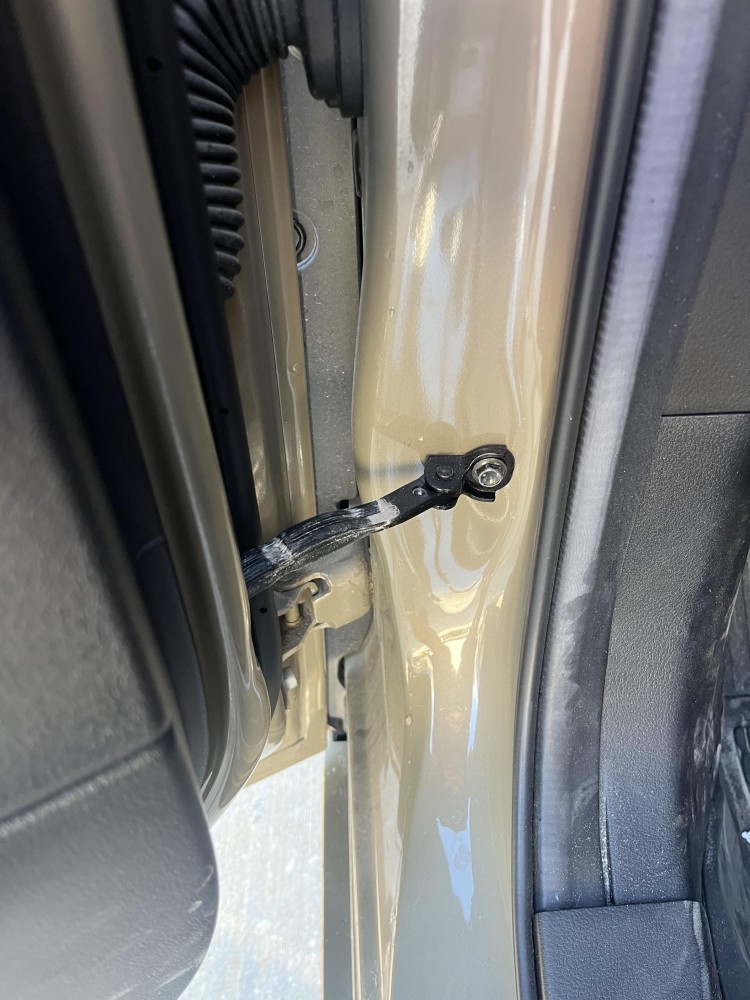
Much of that behaviour comes from a part called the door check, sometimes known as a check strap. It connects the door to the body and helps control how far the door opens. On many cars, it also provides the points where the door prefers to stay open. Toyota describes its door check assembly as helping to hold the door in selected positions.
A small, consistent sound as the door moves through one of those positions is usually less interesting than a noise that has changed. A sharp pop that grows louder over several weeks, a creak from the gap between the door and the body, or a clunk you can feel through the door deserves a closer look.
The timing offers a clue. If the sound happens at the same point every time you open or close the door, watch the door check where it attaches to the body. A loose mounting bolt or a worn check can make noise as the part changes angle and takes the door’s weight. In a service bulletin for certain 2000 and 2001 Avalon models, Toyota specifically addressed popping or creaking by checking the door check’s mounting screw and replacing the check assembly when needed. That bulletin applies to those vehicles, but it illustrates how a loud door noise can come from either the attachment or the part itself.
Watch the part while the door moves
Park on level ground, away from wind, and open the door gently. Keep fingers clear of the hinges and the gap between the door and the body. Compare the sound and feel with the equivalent door on the other side of the car. Notice whether the check’s mounting point visibly shifts as the noise occurs.
A door that suddenly refuses to stay open at its usual stopping points offers another useful clue. So does one that swings much farther than it used to. If the door droops, needs lifting to latch, or scrapes the bodywork, have its hinges and alignment inspected as well. Those symptoms call for a broader look than replacing a noisy check strap.
A squeak can sometimes come from a dry moving part, but spraying lubricant at everything in the door gap is a poor diagnosis. It will not tighten a loose fixing or repair a worn component. Consult the vehicle’s service guidance for any specified lubrication points, and have the mounting and check inspected if the noise is pronounced or worsening.
Location matters, too. A rattle heard while driving with the door shut may have an entirely different source, such as trim or a loose item in a storage pocket. Listen for when the sound occurs before deciding which part to blame.
The ordinary click is a small reminder that a car door is being guided and held where you leave it. When that click becomes a crack loud enough to make passengers look up, the door is giving you a useful reason to inspect the hardware.