


The car feels perfectly normal around town. At 35 mph, nothing rattles. At 50, there may be the faintest tremor. Reach highway speed and the steering wheel begins a steady dance between the driver&rsq
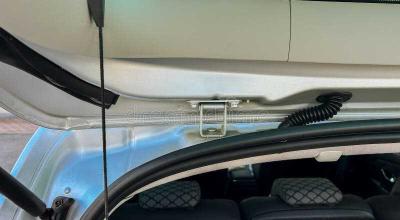
For most of the year, the liftgate rises with one push and waits politely while the shopping is unloaded. Then the first properly cold morning arrives. The hatch opens halfway, pauses as though rec
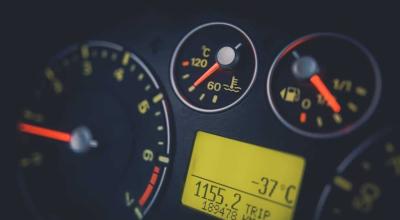
A car left in the afternoon sun does not need long to turn into a small greenhouse. The steering wheel becomes unpleasant to touch, the seats feel freshly ironed and the dashboard claims it is 104 deg

The car drifts gently toward the shoulder, and suspicion immediately falls on the alignment. That is understandable. A car should travel where it is pointed, and anything that seems to tug at the s
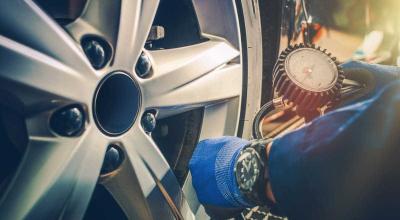
The tires were set perfectly that morning. Then, after a long stretch of highway, the pressure display shows every one of them sitting several pounds higher. Out comes the gauge. Sure enough, the d
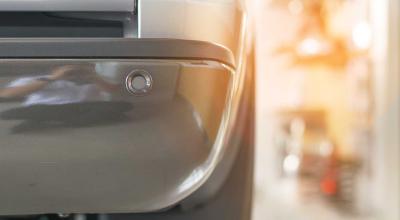
There is nothing behind the car. No wall, no shopping cart, no decorative boulder placed by a landscape designer with a grudge. Still, the moment Reverse is selected, the parking sensors erupt. The
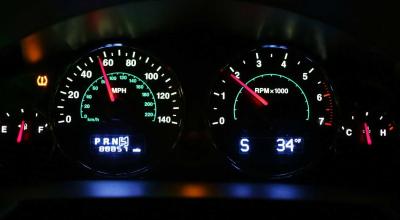
The tire-pressure warning light is not one of the dashboard’s more mysterious creations. It looks like a sagging tire with an exclamation mark inside, which is a fairly direct way of saying, &ld

A cold engine starts, and a pale cloud rolls out of the exhaust. The sight is particularly dramatic on a winter morning, when the plume hangs behind the car as though the engine has chosen a new caree
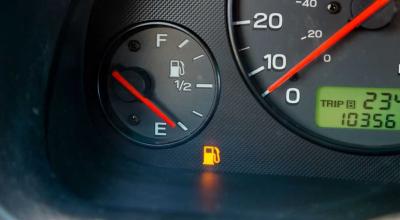
The fuel light comes on. The dashboard says 80 miles to empty. The next gas station is 35 miles away, so there should be no problem. Ten miles later, the display reads 54. Nothing has leaked out. N

The sticker inside the driver’s door says 35 PSI. After an hour on the highway, the dashboard says 39. Four extra pounds of pressure sounds like a problem. The tires were set correctly that morn