
White Smoke on a Cold Morning May Be Harmless. After Warm-Up, the Story Changes
by AutoExpert | 29 July, 2026
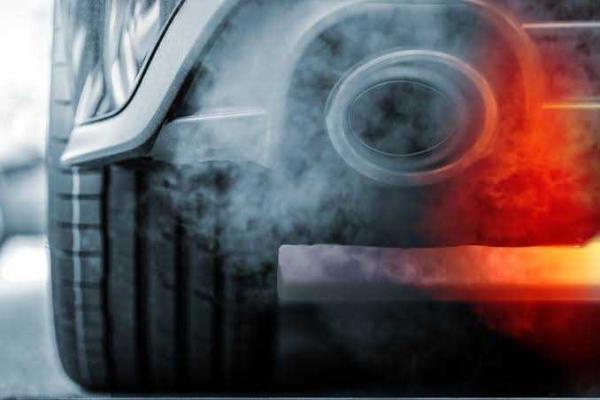
A cold engine starts, and a pale cloud rolls out of the exhaust. The sight is particularly dramatic on a winter morning, when the plume hangs behind the car as though the engine has chosen a new career as a fog machine. The natural conclusion is rarely comforting. Head gasket. Cracked engine. Expensive repair.
Sometimes, that fear is justified. Very often, the “smoke” is simply water vapor. The useful clues are not found in the first few seconds. They appear in what the exhaust does after the engine and its metal pipework begin to warm.
Engines make water
Burning gasoline or diesel produces several substances, including water vapor. When the exhaust system is hot, much of that moisture leaves as an invisible gas.
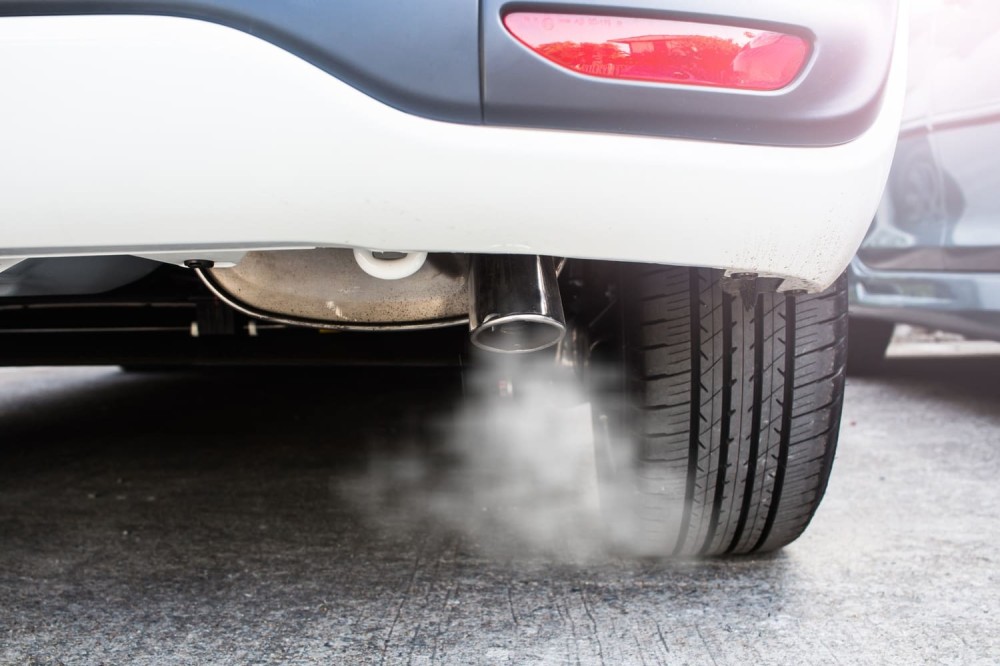
After the car has been parked, the exhaust cools. Moisture condenses inside the pipes and mufflers. On the next cold start, the warming exhaust turns it back into vapor, creating the thin white cloud visible behind the car.
Cold air makes the effect easier to see, just as breath becomes visible outside in winter. Damp weather and repeated short journeys can make it more noticeable because the exhaust may never stay hot long enough to dry completely.
A few drops of clear water from the tailpipe can be normal for the same reason. Some mufflers even have small drain holes designed to release collected condensation.
The reassuring pattern is straightforward: the vapor is light, appears mainly when the engine is cold and fades as everything warms up.
When white exhaust stops looking innocent
Coolant entering the combustion chambers can also create white exhaust, but it tends to behave differently.
Instead of thinning out, the cloud may remain thick after the engine reaches operating temperature. It may carry a sweet chemical smell, although deliberately inhaling exhaust to investigate is never a good idea.
Other symptoms often arrive with it. The coolant level may keep dropping without an obvious external leak. The engine may run roughly, misfire on startup or overheat. Pressure can build unusually quickly in the cooling system. In severe cases, coolant and oil may become contaminated.
A failed head gasket is one possible cause, but it is not the only one. A cracked cylinder head, damaged block, leaking intake component or another internal fault may allow coolant into places it does not belong.
That distinction matters because the internet has a habit of diagnosing every white cloud as a head gasket. Exhaust color can point an investigation in the right direction, but it cannot identify the failed component by itself.
A simple observation tells more than a photograph
If white smoke from exhaust on startup disappears within several minutes and the car otherwise behaves normally, condensation is the likely explanation.
If it continues after a proper drive, becomes thicker under acceleration or returns whenever the engine is fully warm, it deserves attention.
Check the coolant level only when the engine is cold. A hot cooling system is pressurized, and removing the cap can release scalding liquid. Record the level rather than relying on memory, then see whether it continues falling.
Watch the temperature gauge and warning lights. An overheating engine should be switched off safely rather than driven home in the hope that it will improve. A modest repair can become an engine replacement remarkably quickly once severe overheating begins.
The color should also be judged carefully. Oil burning often produces blue-gray smoke rather than pure white vapor. Excess fuel can create dark gray or black exhaust. Under poor light, all three can look less distinct than online diagrams suggest.
Diesel engines add another complication. White smoke during a difficult cold start can come from unburned fuel caused by glow-plug, compression or injection problems. The warm-up behavior still matters, but the possible causes are different.
Short journeys can leave an exhaust permanently damp
A car used mostly for brief local trips may repeatedly collect condensation without ever becoming hot enough to clear it fully. Moisture sitting inside an exhaust can contribute to corrosion, especially in older steel components.
An occasional longer drive at normal operating temperature can help evaporate accumulated water, provided the car is mechanically healthy and driven under appropriate conditions.
What matters most is the pattern.
A faint mist on a cold morning, followed by a clear tailpipe once the car is warm, is ordinary combustion meeting cold air. A dense cloud that follows the car down the road while the coolant reservoir quietly empties is something else entirely.
The tailpipe may look dramatic in both cases. Only one should ruin the morning.