Your Liftgate Behaves All Summer, Then Tries to Hit You in Winter
by AutoExpert | 6 August, 2026
For most of the year, the liftgate rises with one push and waits politely while the shopping is unloaded. Then the first properly cold morning arrives.
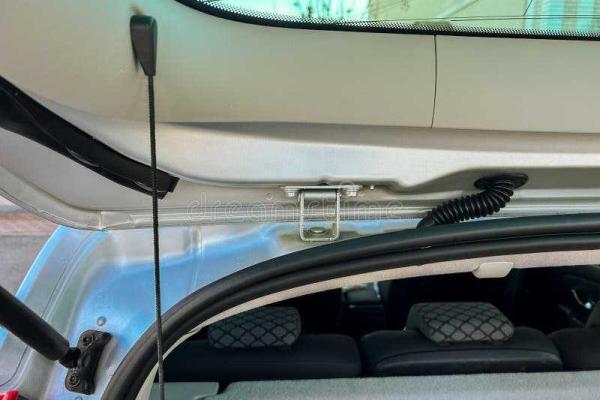
The hatch opens halfway, pauses as though reconsidering the arrangement, and begins creeping back down. Sometimes it moves slowly enough to be insulting. Sometimes it comes straight for the back of the driver’s head.

Cold weather has not suddenly made the liftgate heavier. It has exposed lift supports that were already losing their strength.
What those slim cylinders actually do
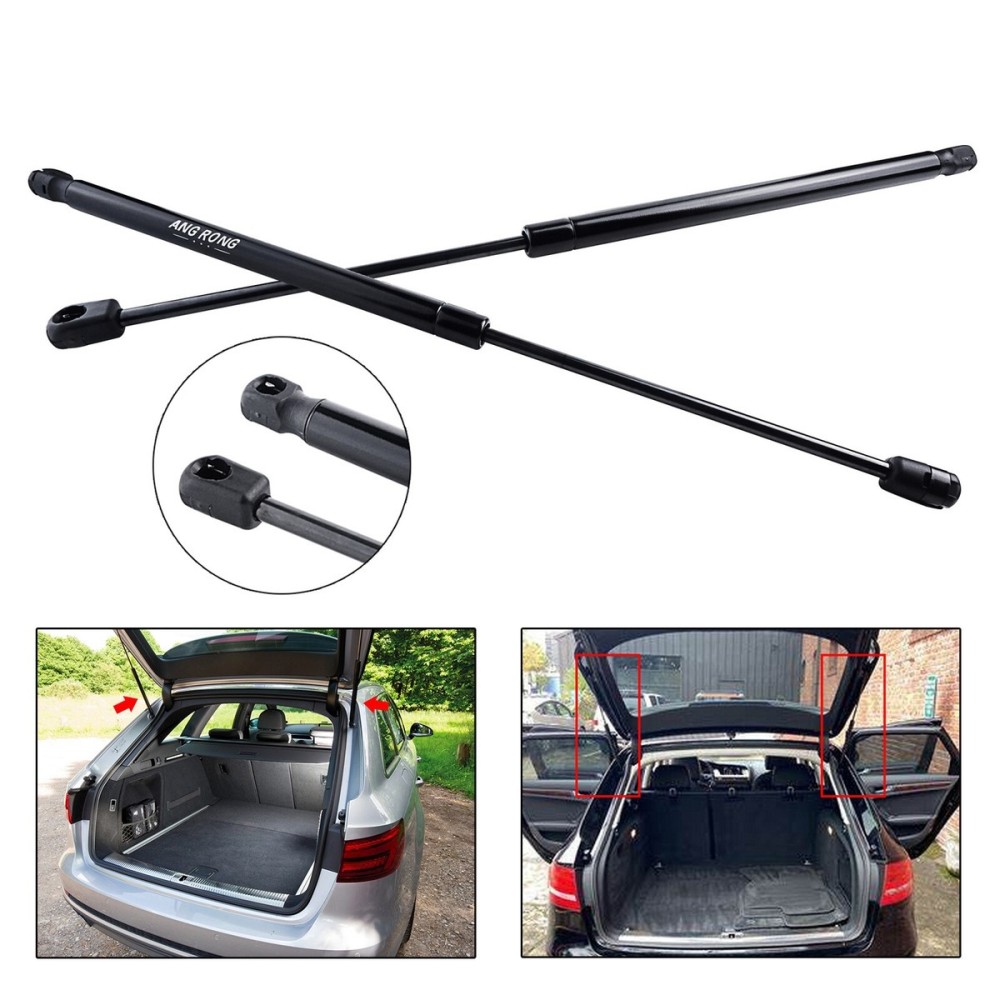
The narrow cylinders mounted on either side of a hatch are commonly called struts, although gas springs or lift supports are more accurate names. Each contains high-pressure gas and a piston that produces enough force to help raise the hatch and hold it open.
The supports are carefully matched to the weight and geometry of that particular door. They must provide enough assistance to lift a large panel of glass and steel without firing it upward like a medieval siege weapon.
Age gradually upsets that balance. Seals wear, gas pressure falls and corrosion or dirt can damage the polished piston rod. The loss may be so slight that it goes unnoticed during summer. When the temperature drops, so does the pressure of the gas inside the support, reducing the force available to hold the hatch.
A healthy system is designed to tolerate ordinary temperature changes. Some manufacturers even develop temperature-compensating supports for reliable performance in severe cold. An older support already operating at the edge of usefulness has much less reserve. Winter merely catches it bluffing.
Monroe notes that many lift-support failures first reveal themselves in cold weather. If the hatch improves again on a warm afternoon, that does not mean the problem has repaired itself. The support has simply regained enough force to disguise its age for another day.
The early signs are easy to miss
A failing support does not always collapse without warning. The liftgate may become heavier to raise, stop short of its full opening height or need a final push before it stays up. On colder days, it may sink by a few inches before catching itself.
An oily film on the support can suggest a leaking seal, although not every tired unit will show visible leakage. A bent or rusty rod is another clear reason for replacement.
One weak support also asks the other side to carry more of the load. The hatch may rise unevenly, twist slightly or put additional strain on its hinges and mounting points. That is why application-specific replacement guides commonly recommend changing paired supports together rather than waiting for the second one to surrender.
The replacement must match the vehicle. Length alone is not enough. The extension force, travel, end fittings and mounting orientation all matter. A support that fits physically may still be too weak, too strong or capable of overextending the hatch.
A broom handle is not a repair
A piece of wood wedged beneath a heavy liftgate can appear reassuring right until someone bumps the car, shifts the cargo or knocks the prop sideways. Liftgate glass and sheet metal carry enough weight to cause a serious injury.
Monroe’s installation guidance specifically warns against relying on a broomstick or similar improvised prop during replacement. The hatch should be held securely by another person or supported using appropriate equipment while the old units are removed.
Gas springs are pressurized components. They should never be punctured, heated, crushed or opened. The polished rod should not be gripped with pliers because even a small scratch can damage the seal on the new support.
Many conventional supports are straightforward to replace, but powered liftgates require more caution. A powered system may use motorized struts, separate actuators, position sensors and anti-pinch protection. Forcing the door manually or substituting ordinary gas springs can damage the mechanism. The correct procedure belongs in the owner’s manual or manufacturer service information.
A powered liftgate that beeps, reverses or stops at the same height every time may also be obeying a programmed opening limit rather than suffering from weak supports. If it slowly sinks after reaching its full height, however, worn mechanical support is more likely.
Cold weather receives plenty of blame for tired batteries, reluctant engines and squeaking suspension bushes. In this case, it is less the cause than the honest friend. The liftgate was already getting weak. Winter simply stopped pretending otherwise.