

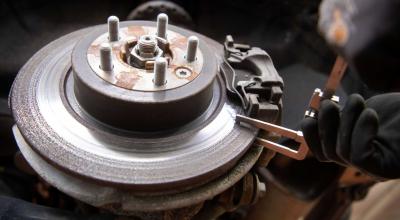
The usual explanation sounds perfectly logical. When a car slows down, its weight moves toward the front. The front tires carry more load, so the front brakes provide more of the stopping force. That
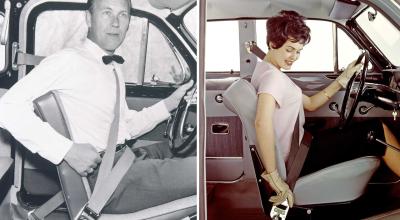
Open the door of certain 1980s or early 1990s cars and a small buckle begins travelling along the roofline. Sit down, close the door and the shoulder belt glides toward the B-pillar, hopefully passi
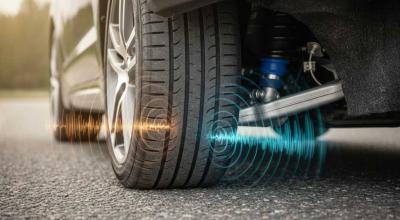
Electric cars have developed a sound of their own. Not the familiar chug of an engine or the rising growl of an exhaust, but a smooth, slightly eerie hum that seems better suited to a spacecraft glidi
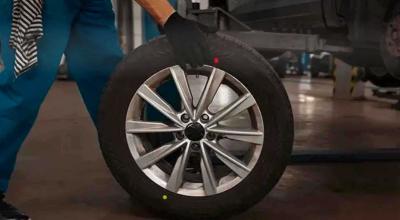
New tires arrive covered in information. Numbers identify their size, load capacity, speed rating and date of manufacture. Then, among all that serious molded lettering, someone appears to have atta
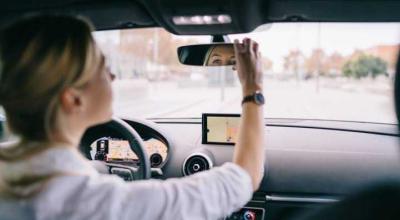
So, can you legally drive without a rearview mirror? The slightly irritating answer is: maybe. That is not very satisfying, but it is the truth. In the U.S., mirror laws are not perfectly iden
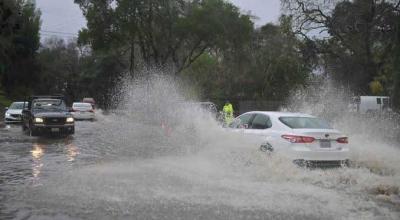
A used car with gleaming paint, freshly shampooed carpets, and half a dozen pine-scented air fresheners may look beautifully prepared for sale. Or it may be trying much too hard. Flood-damaged
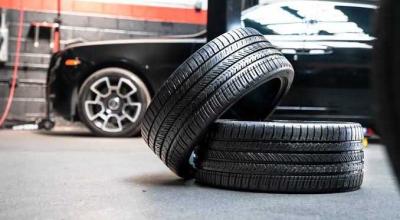
At the tire shop, the choice seems too obvious to question. The front tires on a front-wheel-drive car handle the steering, put the power down, and do most of the braking. They usually wear out first.
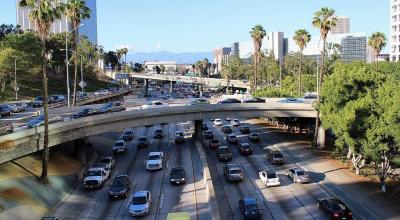
The United States was already keeping right long before anyone had an engine, a steering wheel, or an argument about who had the right of way at a four-way stop. The habit began with horses
A neighbor of mine just bought a new truck. Decent guy, nothing fancy, mid-trim F-150 with the basic four-wheel-drive package. We were standing in his driveway looking at it last weekend, and he menti
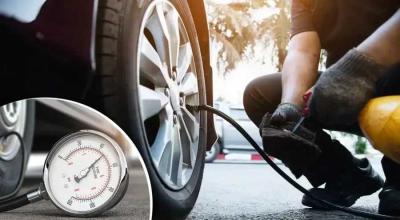
Quick question. You walk out to your car on a 95 degree afternoon, check your tires with a gauge, and see they're reading 4 PSI over what the door sticker says. What do you do? If your first in