Can You Drive Without a Rearview Mirror? The Answer Is Annoyingly State-Specific

by AutoExpert | 10 August, 2026
So, can you legally drive without a rearview mirror? The slightly irritating answer is: maybe.
That is not very satisfying, but it is the truth. In the U.S., mirror laws are not perfectly identical everywhere. Some states care a lot about the exact mirror setup on your car. Others mostly care that you can see what is happening behind you well enough. So if your interior rearview mirror falls off, cracks, gets removed, or becomes useless because your vehicle has no rear window, the legality depends on where you are driving and what other mirrors you have.
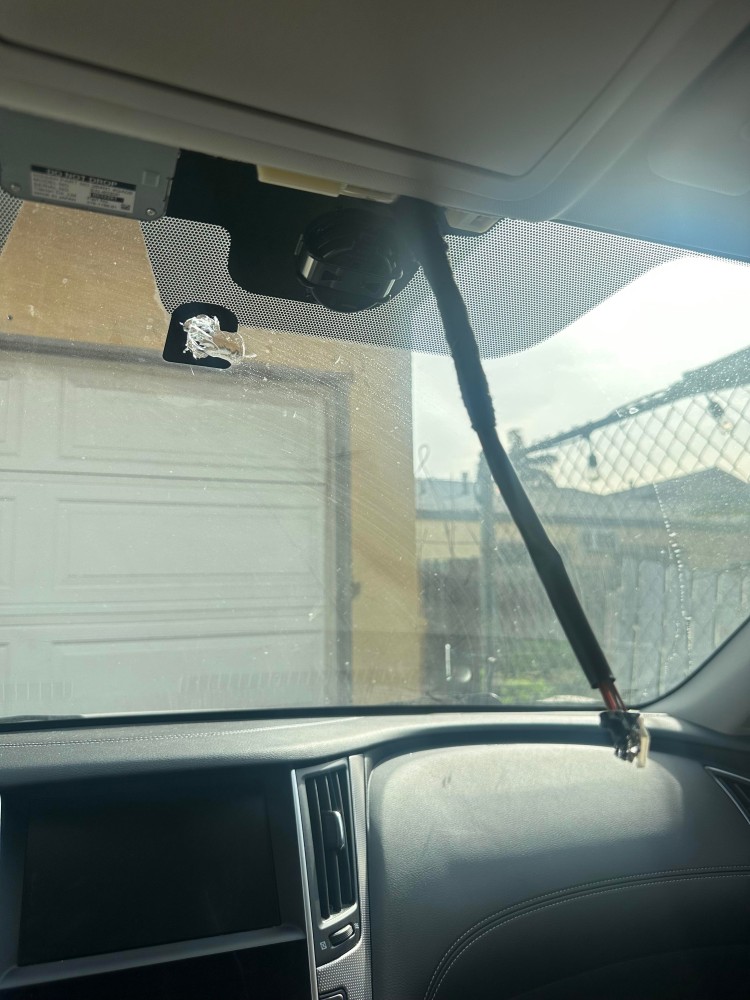
Most drivers never think about this because most cars come with the usual setup: one interior rearview mirror and two side mirrors. You get in, adjust them badly, promise yourself you will fix them later, and drive away. But the question becomes more interesting when something breaks, or when the car itself is designed without a normal rear window.
Cargo vans have lived in that world for years. Some sports cars and high-end specialty vehicles are getting there too. A few modern designs rely more heavily on side mirrors, cameras, or digital rearview systems because the driver does not have a useful glass view out the back anyway. In those cases, the vehicle manufacturer usually designs the visibility system to meet the required standards before the car ever reaches customers.
That is different from you simply removing a mirror because you do not like it.
In general, a vehicle needs a legal way for the driver to see behind it. That may mean an interior rearview mirror, exterior side mirrors, or some combination that provides the required rearward view. Federal rules deal mostly with what manufacturers have to build into new vehicles, while drivers usually deal with state-level equipment laws once the car is on the road. That is where things get messy.
Some states specifically require an interior mirror. New York is one example, where the rules call for an inside mirror along with an outside mirror on the driver’s side. So in a place like that, driving without the interior rearview mirror can be a problem unless the vehicle falls into a specific legal exception.
Other states are more flexible. Florida, for example, is less concerned with the exact mirror layout and more concerned with whether the driver has a mirror that shows the road behind the vehicle for a certain distance. In that kind of state, the missing interior mirror may not automatically be the issue if another mirror still gives the required rear view.

That is why the internet answer of “you only need two mirrors” is a little too casual.
It may be true in many situations, especially if the vehicle still has both side mirrors and adequate rear visibility. But it is not a universal rule you should trust blindly. The required mirror setup can depend on state law, vehicle type, and whether the remaining mirrors actually provide the correct field of view.
There is another small catch people miss: not all side mirrors are equal. If a car has no usable rearview mirror, the passenger-side mirror may need to compensate for that lost view. A basic side mirror may not always provide the required rearward visibility if the original setup depended on the center mirror too. That is why simply saying “I still have side mirrors” may not settle the question in every case.
For most drivers, the smartest answer is boring but practical: keep the mirror setup your car came with.
If your rearview mirror breaks, replace it. If it falls off the windshield, reattach it. If the glass is damaged, fix it. Rearview mirrors are cheap compared with tickets, inspection issues, or the obvious safety problem of not seeing what is behind you. This is not the place to get creative in the name of weight savings, aesthetics, or some strange “I only look forward” philosophy.
The exception is a vehicle designed from the factory without a traditional rearview mirror or rear window. In that case, the manufacturer has usually handled the visibility requirements with side mirrors, cameras, or another approved setup. A cargo van with no rear glass is not the same thing as a regular sedan missing its interior mirror because it fell off during summer heat.
So is it legal to drive without a rearview mirror?
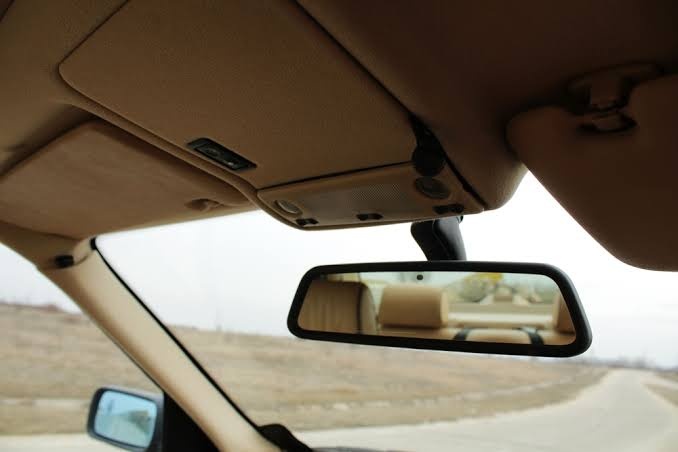
Sometimes, yes. But only if your state allows it and your remaining mirrors still provide the required rearward view. In some places, the interior mirror itself may be required. In others, a proper side-mirror setup may be enough.
The better question is whether you should drive without one. And unless your vehicle was built that way, probably not.