
A Clean Title Can Still Hide a Flooded Car: Here Is Where the Water Leaves Clues
by AutoExpert | 15 July, 2026
A used car with gleaming paint, freshly shampooed carpets, and half a dozen pine-scented air fresheners may look beautifully prepared for sale. Or it may be trying much too hard.
Flood-damaged cars do not always arrive covered in mud with water dripping from the dashboard. The profitable ones are cleaned, dried, polished, and moved, sometimes several states away from the storm that swallowed them. By the time they reach a sales lot or an online listing, the obvious evidence may be gone.
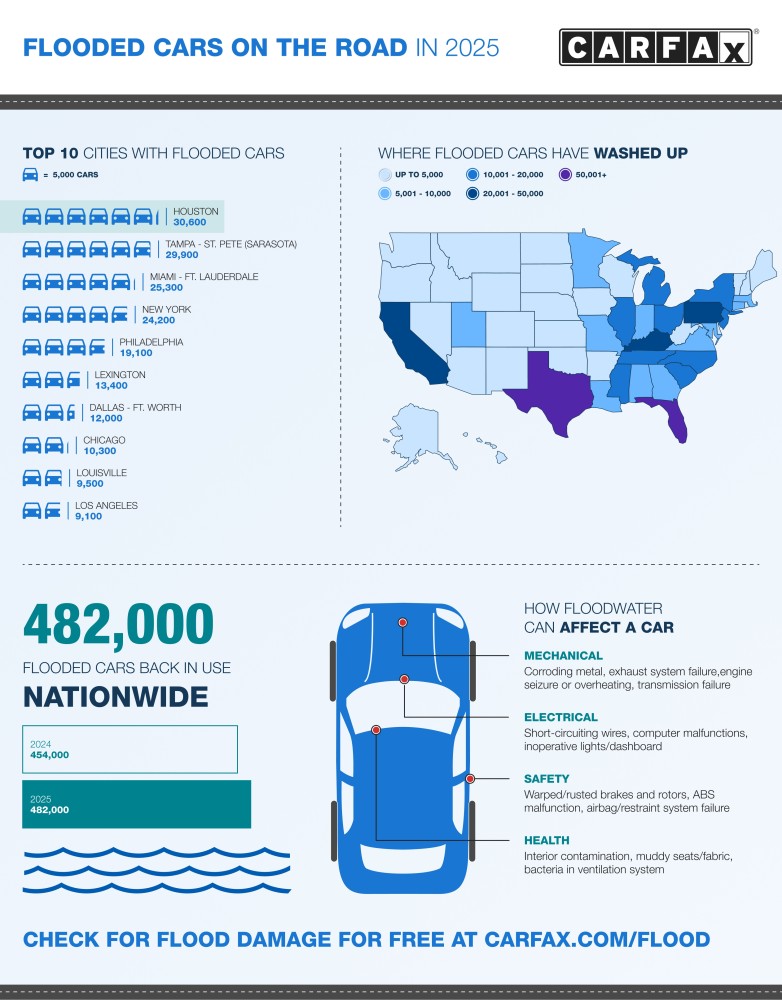
Water is not so easily persuaded to keep a secret.
It settles behind trim, creeps inside connectors, and leaves silt in seams nobody bothers to vacuum. The trick is to look past the surfaces a seller expected a buyer to inspect.
Start with the smell, but do not trust it completely
The classic warning is a damp, musty odor. It may resemble a basement, a wet towel forgotten in a gym bag, or a car that has spent an entire winter carrying muddy boots. Mold and soaked insulation can hold that smell long after the visible moisture disappears.
A strong fragrance deserves almost as much suspicion. One air freshener is normal. Several hanging from the mirror, pushed under seats, and clipped to the vents can amount to crowd control for the nose.
Turn off the fan, close the doors for a few minutes, then smell the cabin and trunk separately. Run the climate system afterward. Water and organic debris trapped in ducts or a cabin filter may announce themselves once the air begins moving.
Still, a neutral-smelling car is not automatically safe. Professional cleaning, replacement carpet, and enough time can disguise the odor. The inspection has only just begun.
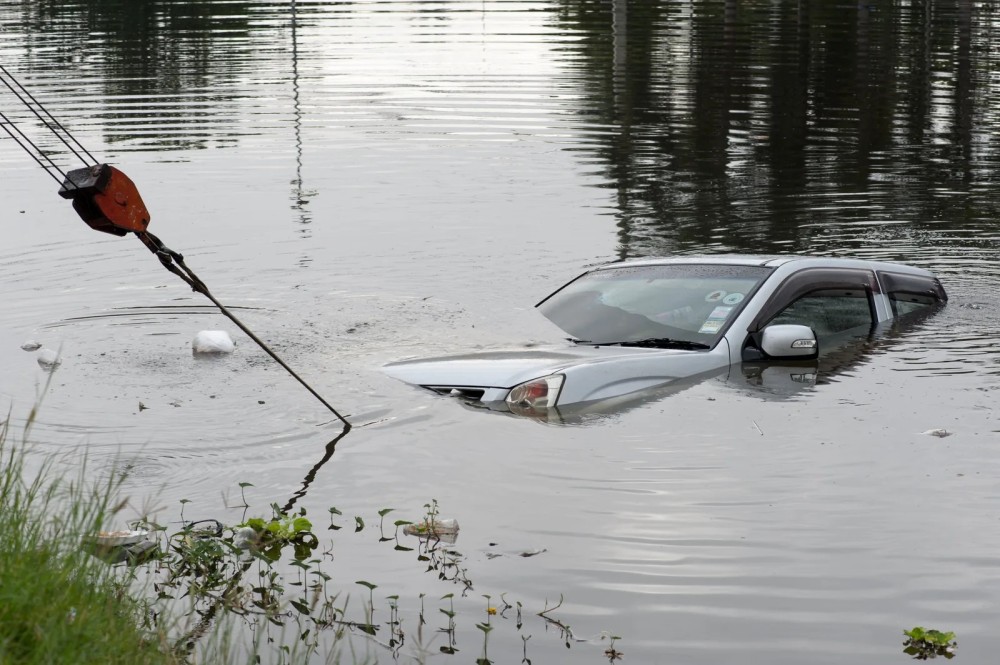
The carpet tells a story from both sides
Lift the floor mats and press firmly on the carpet, especially in the lowest parts of the footwells. Check whether it feels damp, unusually stiff, or different in texture from one area to another.
Then look at how it fits. Factory carpet is molded precisely around the cabin floor. Carpet that appears loose, puckered at the edges, or suspiciously new in an older car may have been removed for drying or replaced altogether.
If possible, lift a corner near a door sill or peer beneath the trunk lining. The visible side may be spotless while the padding underneath still holds staining, silt, or a tide mark.
The spare-wheel well is particularly useful. It is low, awkward to clean, and easy to forget once a cargo floor has been put back in place.
The National Insurance Crime Bureau recommends checking beneath carpets, behind the dashboard, and around the headliner for water stains, mildew, sand, and silt. These are not glamorous places to inspect, but neither is paying for someone else’s submerged wiring harness.
Look for rust where rust makes no sense
Normal corrosion usually appears where weather can reach: underneath the car, around the wheel wells, on exhaust parts, and perhaps along neglected body seams. Floodwater creates a different pattern.
Slide a seat back and inspect its mounting bolts and rails. Look at unpainted screw heads beneath the dashboard, inside the center console, and around the interior trim. Check metal brackets under the seats.
Rust in these protected areas is difficult to explain away, especially when the rest of the cabin looks immaculate.
One rusty screw proves very little. A collection of corroded fasteners, greenish electrical terminals, and stained metal at the same height around the cabin is a much louder clue.
Seat bolts can also reveal whether the seats have been removed. Tool marks or unusually clean bolts can mean legitimate upholstery work, but they can also mean the seats were taken out so soaked carpet could be lifted.
Context matters. A ten-year-old car with a brand-new floor, disturbed seat hardware, and enough deodorizer to perfume a parking garage deserves questions.
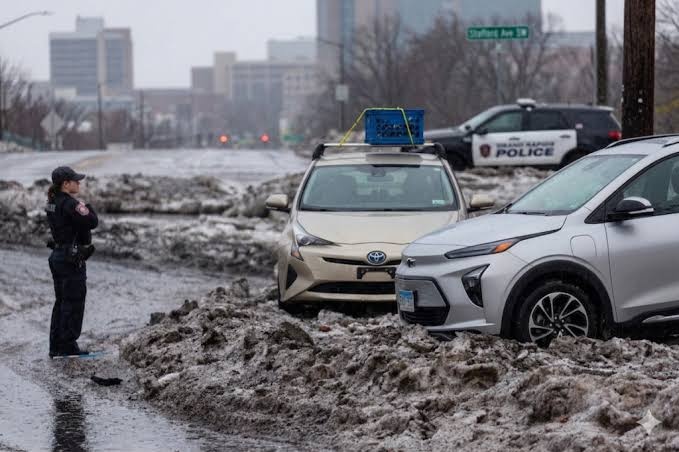
Lamps and electrical connectors are poor swimmers
Inspect the headlights, taillights, and interior lamps for condensation, dried droplets, or a faint waterline inside the lenses. A lamp can develop moisture for innocent reasons, but several misty units on the same car are harder to dismiss.
Next comes the tedious part, which is also the part most likely to save money. Test everything electrical, more than once.
Move every window. Adjust every seat. Try the mirrors, locks, horn, wipers, washers, radio, touchscreen, cameras, parking sensors, heated seats, and every climate-control setting. Switch the exterior lights on and off.
Watch the instrument cluster during startup and make sure its warning lights illuminate briefly, then go out as expected.
Flood damage can produce electrical problems long after the car appears dry. Corrosion travels inside wiring and connector pins, creating faults that come and go with temperature, vibration, or humidity. A feature that works during a short test drive may fail months later, which is why a pre-purchase inspection should include a diagnostic scan for stored fault codes.
Modern cars make this risk more serious, not less. Control modules sit beneath seats, behind kick panels, and in other low areas. A car can start, drive, and present a perfectly cheerful dashboard while corrosion is getting comfortable somewhere expensive.
Mud hides where a detailing brush cannot reach
Open the glovebox and look behind or beneath it if access is simple. Examine the gaps around the trunk hinges, beneath the hood insulation, and inside small body cavities visible through access openings. Check door pockets, seat-belt anchor points, and the rubber drain plugs along the floor or doors.
Fine sand in a seat rail is more revealing than dirt on a floor mat. So is dried silt inside a wiring loom, behind a weather seal, or beneath the plastic engine cover. These areas are not normally exposed to muddy water, and they rarely receive much attention during a cosmetic cleanup.
The engine bay can provide another clue. A distinct grime line across several components may mark the water level. Milky engine oil or other contaminated fluids can indicate water intrusion, although clean fluids do not rule it out. They may simply have been changed before the sale.
A clean title is helpful, not conclusive
Flood-damaged vehicles may receive a flood, salvage, or rebuilt title, depending on local rules and how the loss was handled. Checking the title and ordering a vehicle-history report are essential steps.
They are not magic.
The Federal Trade Commission warns that free and paid databases have limits. If the vehicle was not insured when it flooded, the damage may never have been reported. Dishonest sellers may also move a car across state lines and exploit differences in title systems, a form of fraud commonly called title washing.
Run the vehicle identification number through the National Motor Vehicle Title Information System and the National Insurance Crime Bureau’s VINCheck service. Compare the locations and dates in the history with major floods. Look for abrupt moves between states, unexplained ownership changes, or long gaps in the records.
Then remember that paperwork cannot smell mildew or see rust under a seat.
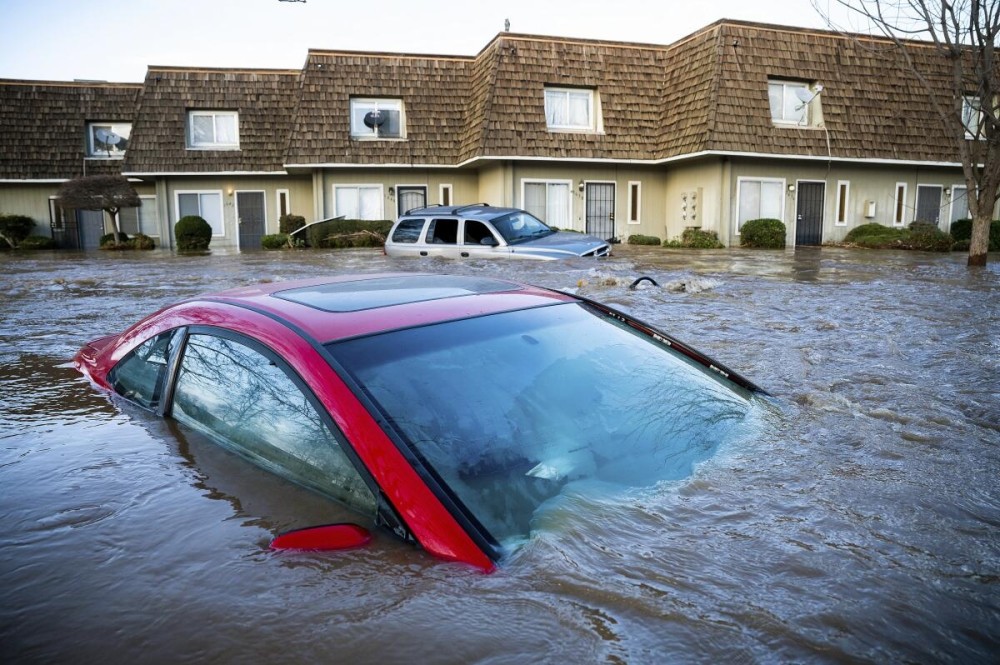
Let an independent mechanic be the difficult person
A seller who refuses an independent pre-purchase inspection has provided valuable information, even if the car itself remains a mystery.
The inspection should be performed by a technician chosen by the buyer, not by the business selling the vehicle. Ask specifically for signs of water intrusion, corrosion inside accessible connectors, and diagnostic trouble codes across all control modules. An inspection on a lift can reveal debris, staining, or unusual corrosion underneath.
No single clue needs to become a courtroom case. Cars acquire damp carpets, foggy lamps, rusty bolts, and strange smells for all sorts of ordinary reasons. The concern is the pattern.
Fresh carpet. Scratched seat bolts. Silt in a rail. Condensation in two lamps. Electrical warnings stored in several modules. A title history that wanders across the country shortly after a major storm.
At that point, the bargain is no longer asking to be investigated. It is asking to be left behind.