Your Car’s Roof Limit Looks Too Low for Two Sleepers. Here Is What That Number Means
by AutoExpert | 1 October, 2026
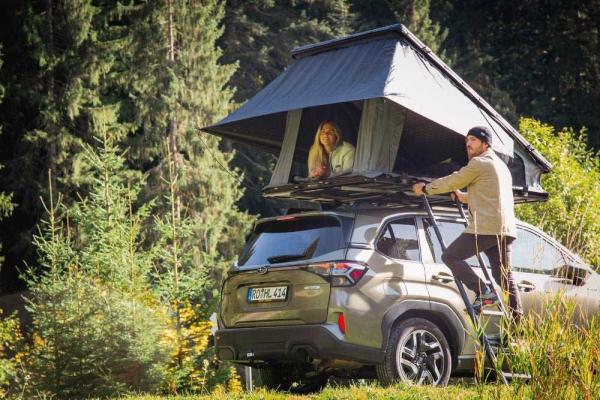
A rooftop tent can look perfectly at home on a small hatchback until someone opens the owner’s manual. The roof-load limit says 75 kilograms. Two adults weigh considerably more than that, even before anyone adds the tent.
The apparent contradiction has a straightforward explanation: the number in the manual usually describes how much weight the vehicle may carry on its roof while driving. The calculation changes when the car is parked. That does not make every roof suitable for a tent, but it does mean the driving limit and the sleeping arrangement need to be assessed separately.
First, account for everything going down the road
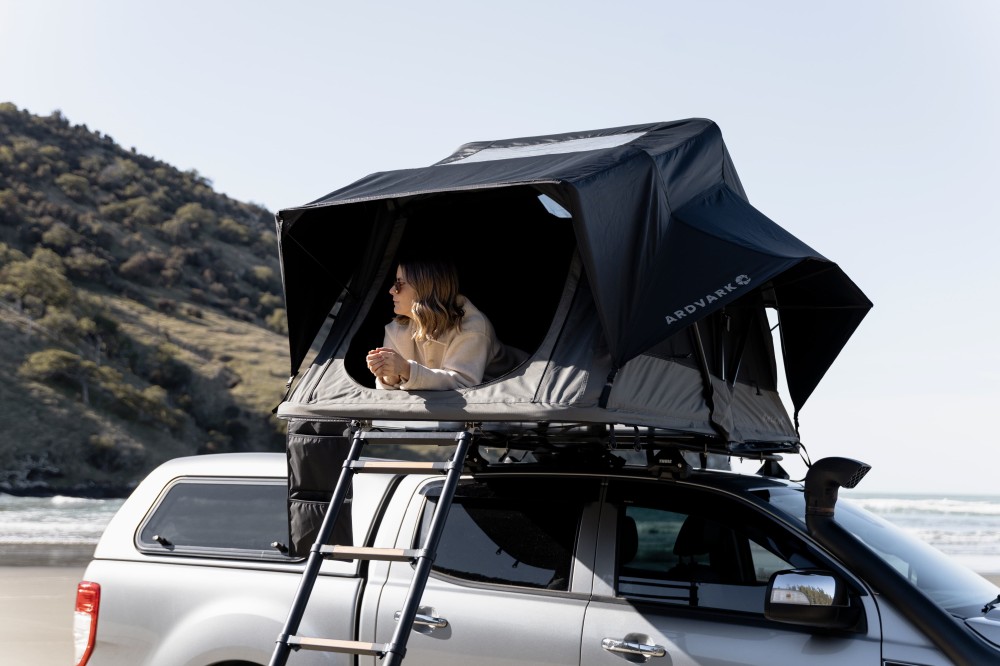
A moving car puts its roof load through bumps, corners, braking and changes of direction. The tent is also high above the vehicle, where its weight and exposure to wind affect how the car feels. The vehicle’s stated roof limit is therefore the place to start.
That limit has to cover the equipment you actually drive with, including the rack. Suppose a car’s roof limit is 75 kilograms, its approved bars and mounts weigh 7 kilograms, and a folded tent weighs 55 kilograms. Together, they account for 62 kilograms. Only 13 kilograms remain under the vehicle’s driving limit for anything else carried on the roof.
The rack brings its own restrictions. Its bars, feet and vehicle-specific mounting kit may have different ratings, and the weakest part sets the rack system’s limit. A set of bars advertised to carry more weight cannot raise a lower limit specified for the vehicle. Thule’s tent guidelines also require the tent’s mounting hardware to fit the bars and the bars to be spaced appropriately for that tent.
If the route includes rough, unpaved roads, check the rack maker’s instructions again. Yakima notes that allowable loads can fall when a vehicle leaves smooth roads, depending on the mounting setup. The rating suitable for a paved trip may not apply to a rough track leading to a campsite.
Then check the parked setup
Once the car stops, the load is no longer being tossed around by road forces. A suitable vehicle and rack may support more weight while stationary, allowing people to sleep in a tent whose occupants outweigh the driving roof limit. Tent makers distinguish this static capacity from the dynamic capacity that applies on the road.
You may see advice to multiply the driving figure by three. Thule uses that as a guideline for its roof racks, while Yakima presents it as a rule of thumb and tells owners to confirm that it applies to their specific vehicle. It is not a number to assign to an unfamiliar roof, factory rail or rack without checking. The tent must also be rated for its intended occupants.
Roof design can settle the question before the arithmetic does. A glass or panoramic roof deserves confirmation from the vehicle manufacturer. So do raised rails without obvious support underneath them. Some rack designs that work for ordinary cargo are unsuitable for the concentrated demands of a tent with people inside.
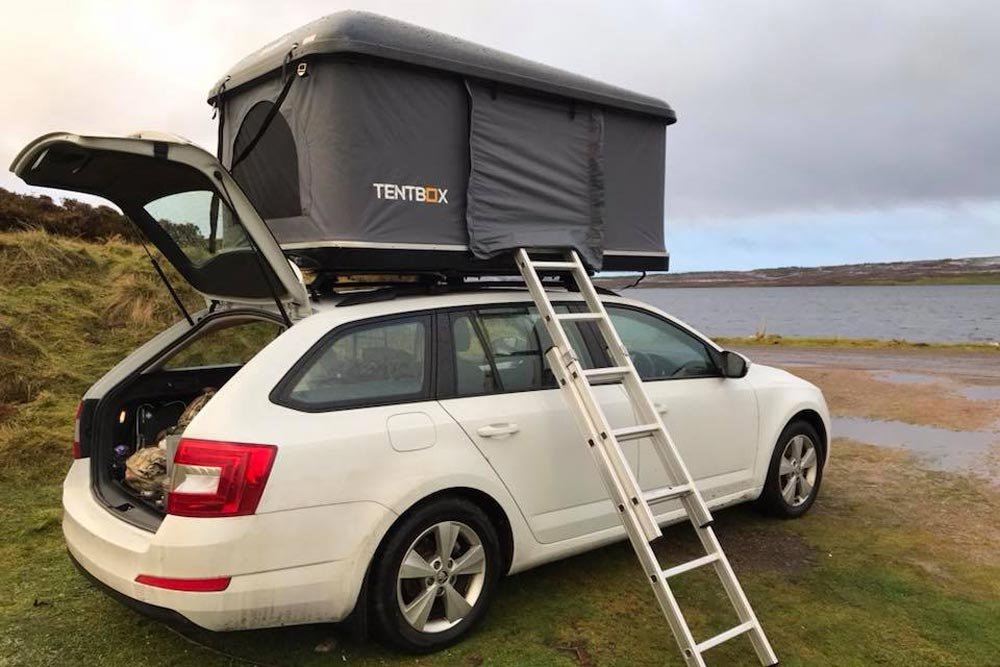
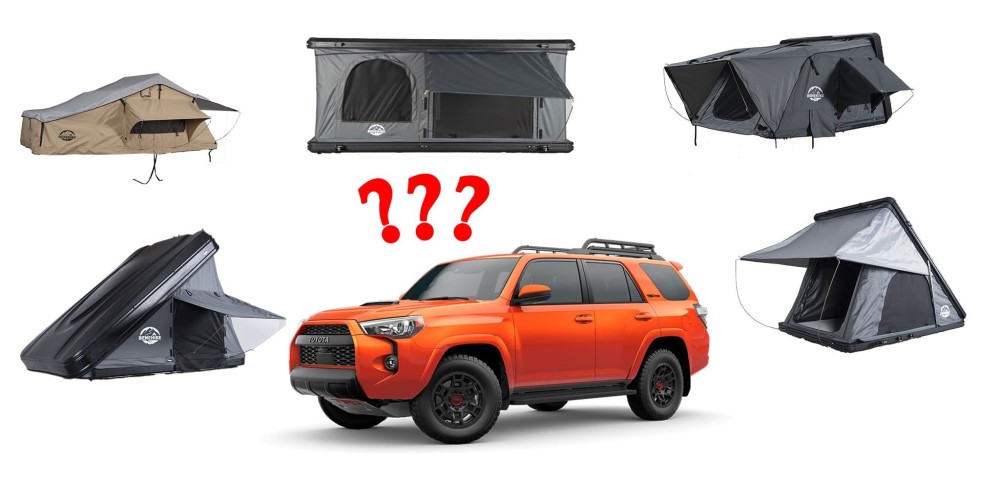
Before ordering, gather the vehicle’s roof rating, the exact rack model and mounting kit, and the tent’s installation instructions. Check the weight for the drive, then confirm that the vehicle, rack and tent are approved for the occupied setup when parked. A photograph of the same car wearing a tent is tempting evidence. The paperwork for your car and equipment is better.