

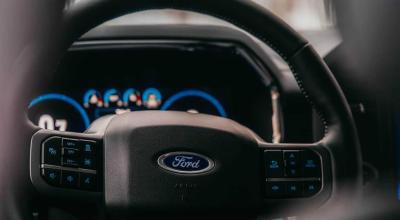
Drivers spend hours holding the steering wheel without giving much thought to what lies behind it. Remove the trim, switches and wiring, and the basic arrangement appears simple. A shaft carries th
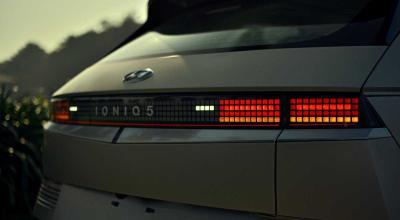
In a conventional car, the relationship between the brake pedal and the brake lights feels reassuringly simple. Press the pedal and the red lamps illuminate. Release it and they go dark. Drivers be
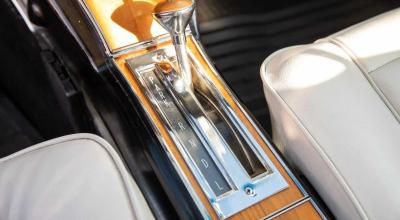
A driver can move between unfamiliar modern cars and still understand the transmission selector within seconds. Park sits at one end, followed by Reverse, Neutral and Drive. Lower ranges, manual modes

The phrase “dark sky city” can conjure an impractical picture: roads disappearing into blackness, pedestrians carrying flashlights and local astronomers celebrating while everyone else dri

Select Reverse, walk behind the car and one white lamp comes on. The other stays dark. The rear light clusters look symmetrical. Both contain clear and red sections. Surely one bulb has fail

The Porsche 718 Boxster and Cayman are gone, and that still feels wrong. Not “the market moved on” wrong. Not “well, it had a good run” wrong. More like Porsche had one of

A self-driving car getting confused in a parking lot is annoying. A self-driving car getting confused near a fire truck, police cruiser, or ambulance is something else entirely. That is

There was a time when changing the temperature in a car took half a second. You reached down, turned a knob, and somehow civilization survived. Now, in some cars, the same job feels like openin

For most of car history, one assumption sat underneath everything. There would be a driver. Not just in the vague philosophical sense. Physically. Literally. A person in a seat, looking forward

If you have ever spent time around German performance cars, you have probably noticed the number comes up again and again: 155 mph. Not 152. Not 160. Not some random figure pulled out of an eng