Self-Driving Cars Keep Getting Confused Around Emergency Scenes, and NHTSA Has Finally Had Enough
by AutoExpert | 10 July, 2026
A self-driving car getting confused in a parking lot is annoying.
A self-driving car getting confused near a fire truck, police cruiser, or ambulance is something else entirely.
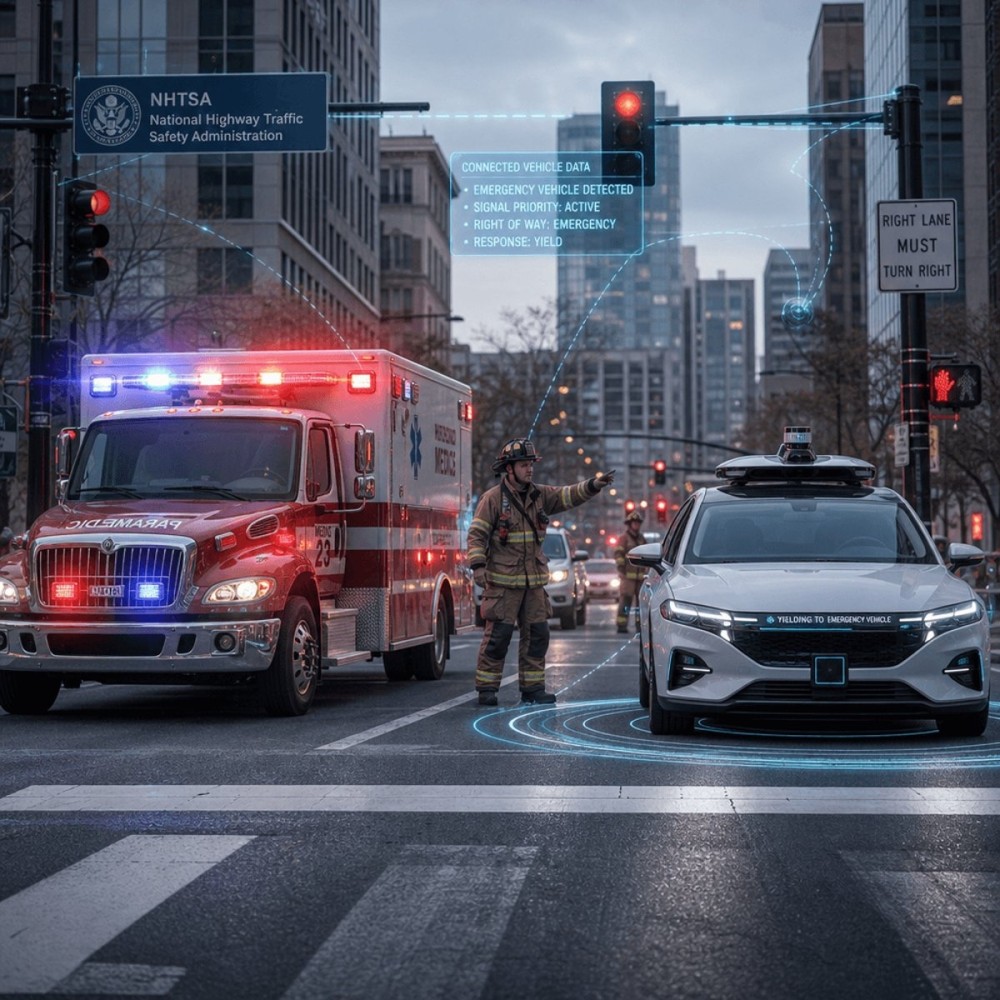
That is where NHTSA seems to be drawing the line. The agency is now warning autonomous vehicle companies that this can no longer be treated like some cute tech hiccup or strange little “edge case.” If a driverless car cannot understand what to do around first responders, it is not just making traffic awkward. It is putting people in danger.
And that is the part the industry does not get to soften with clever language.
NHTSA Administrator Jonathan Morrison said it directly: an autonomous vehicle that cannot safely interact with first responders is a danger to the general public. That is a pretty serious sentence coming from a safety regulator, and it tells you the mood has changed. This is not about one robotaxi stopping in a weird place while people pull out their phones and laugh. This is about vehicles driving into active emergency scenes, blocking responders, or failing to react properly when the road suddenly stops being normal.
Because emergency scenes are not normal.
A crash scene is not just another traffic pattern. A fire truck parked across a lane is not just an obstacle. A police officer waving cars around debris is not just a confusing human gesture. These are moments where people are trying to save lives, manage danger, and keep a bad situation from getting worse. Every second counts. Every blocked lane matters. Every vehicle that does the wrong thing becomes one more problem for responders to handle.
That is why this issue feels bigger than the usual self-driving debate.
The industry has spent years telling people that autonomous vehicles will make roads safer. Maybe one day they will. But that promise starts to look a lot weaker when the cars still struggle with some of the most obvious real-world chaos on public roads. Flashing lights, stopped emergency vehicles, lane closures, hand signals, people outside their cars, smoke, cones, sirens, weird angles, blocked intersections, all of that is not rare. It is driving.
Calling those situations “edge cases” only works if you are talking to engineers in a conference room. It sounds a lot worse when a driverless car rolls toward a crash scene and the people there have to figure out what it is going to do next.
That is the uncomfortable part.
A human driver can be stopped, yelled at, ticketed, fined, or arrested if they interfere with emergency work. A computer does not care. You cannot shame it. You cannot scare it into paying attention. You cannot make it understand urgency unless the software was built well enough to recognize that urgency in the first place. If the system gets it wrong, the people around it are the ones who pay the price.
NHTSA says it has seen a clear pattern of autonomous vehicles interfering with first responders. That alone should make the industry nervous. Regulators do not usually use that kind of phrasing unless they want companies to understand that friendly patience is running out.
Now the agency wants meetings with driverless system developers to hear how they plan to fix it. It is also making clear that enforcement is still very much on the table if serious safety concerns are not addressed.
In plain English: explain yourselves, and bring better answers.
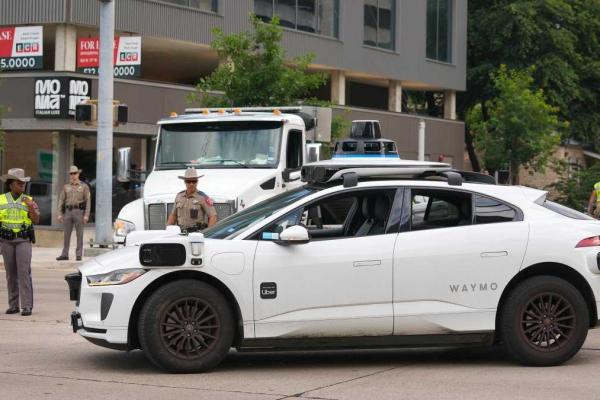
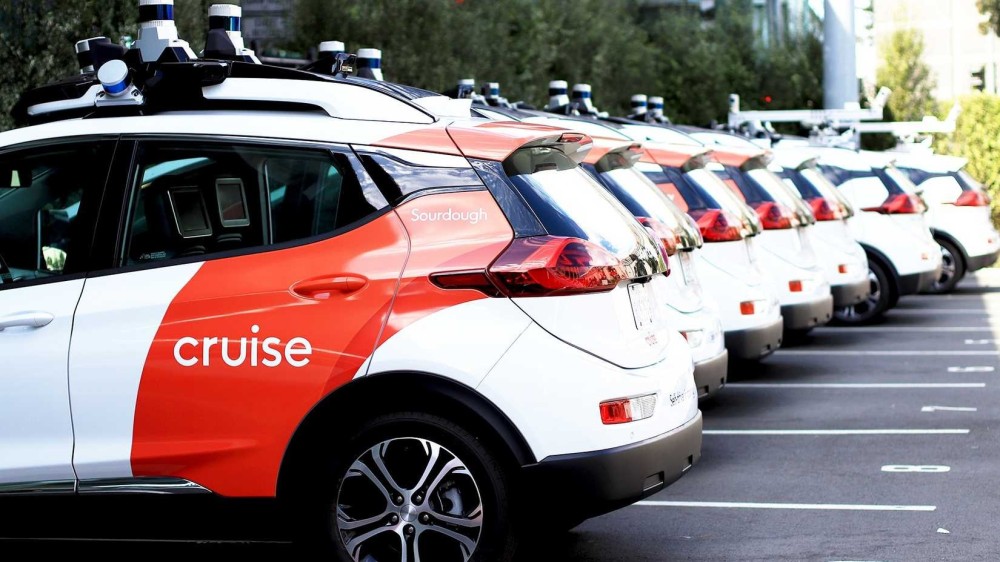
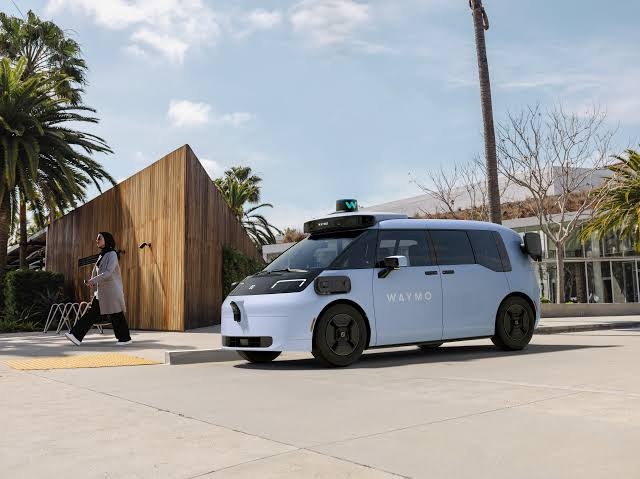
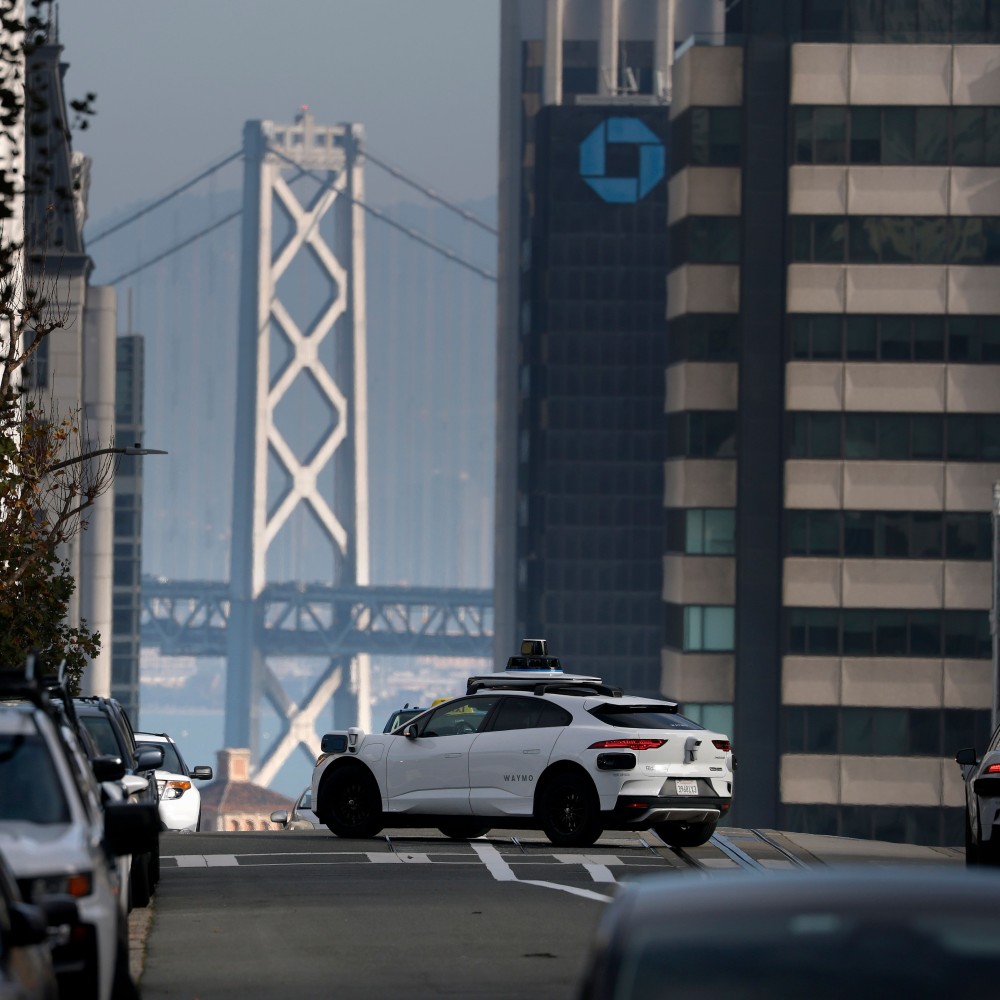
Tesla is the obvious name that comes up here, because crashes involving vehicles using Autopilot or Full Self Driving have repeatedly drawn attention, including incidents involving stopped emergency vehicles. But this is not only a Tesla problem. Waymo has also had driverless cars end up in awkward and worrying situations around emergency scenes, even though the company says it has trained thousands of first responders and that its vehicles interact with emergency vehicles many times every week.
That may all be true. It also does not make the problem disappear.
Public roads are messy. That is the whole challenge. If autonomous cars only work well when everything is calm, clear, mapped, predictable, and behaving exactly as expected, then they are not ready for the hardest parts of everyday driving. Emergency scenes are part of that test. Not a bonus level. Not some weird exception. A basic test.
And the test is simple: when something serious is happening, does the vehicle know how to stay out of the way?
That is what people need to trust.
Nobody expects a self-driving car to be charming. Nobody needs it to have opinions. But it has to understand when police, firefighters, and paramedics need space. It has to know when to stop, when to move, when to yield, and when the safest thing it can do is not make itself the center of attention.
Because the fastest way to kill public trust in autonomous cars is not a bad route or a clumsy pickup.
It is a driverless car wandering into a place where humans are already trying to keep people alive.
That is why NHTSA’s warning matters. It is not anti-technology. It is not panic. It is the obvious question the industry has to answer before asking the public for more patience:
If these cars cannot handle emergency scenes, what exactly are they ready for?