Porsche Killed One of the Best Sports Cars It Ever Made, and the Reason Still Hurts
by AutoExpert | 10 July, 2026
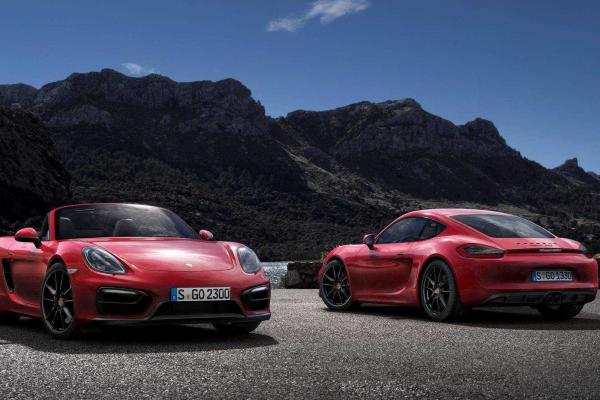
The Porsche 718 Boxster and Cayman are gone, and that still feels wrong. Not “the market moved on” wrong. Not “well, it had a good run” wrong. More like Porsche had one of the purest sports cars you could still buy, looked at it, and somehow decided the world could live without it for a while.
Production ended in 2025, and by now there are barely any brand-new examples left in the United States. That is a miserable sentence if you care about cars that feel light, balanced, immediate, and built around the driver instead of a screen, a badge, or a lap-time argument on the internet.
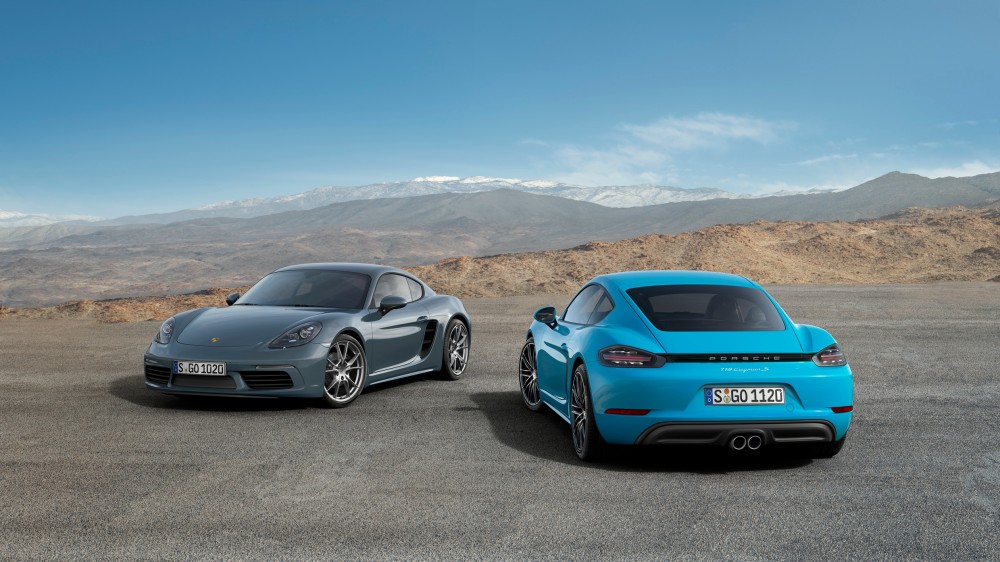
The 718 was never the Porsche people bought just to be seen in a Porsche. That job has usually belonged elsewhere in the lineup. The Boxster and Cayman were for people who wanted the thing to feel right. Mid-engine balance, steering that talked back, brakes that invited confidence, and just enough theater to make an ordinary road feel like it had been placed there for your benefit.
So why did Porsche pull the plug?
The official answer is a mix of regulation, cost, electrification, and production planning. The emotional answer is much simpler: the 718 got caught between where Porsche has been and where Porsche thought the industry was going.
In Europe, some four-cylinder 718 models were already pushed out because the aging platform did not meet newer cybersecurity regulations. Reworking an outgoing car to comply would have cost too much, especially with a replacement already in the pipeline. The GT4 RS and Spyder RS survived a bit longer because of their limited-production status, but the writing was on the wall.
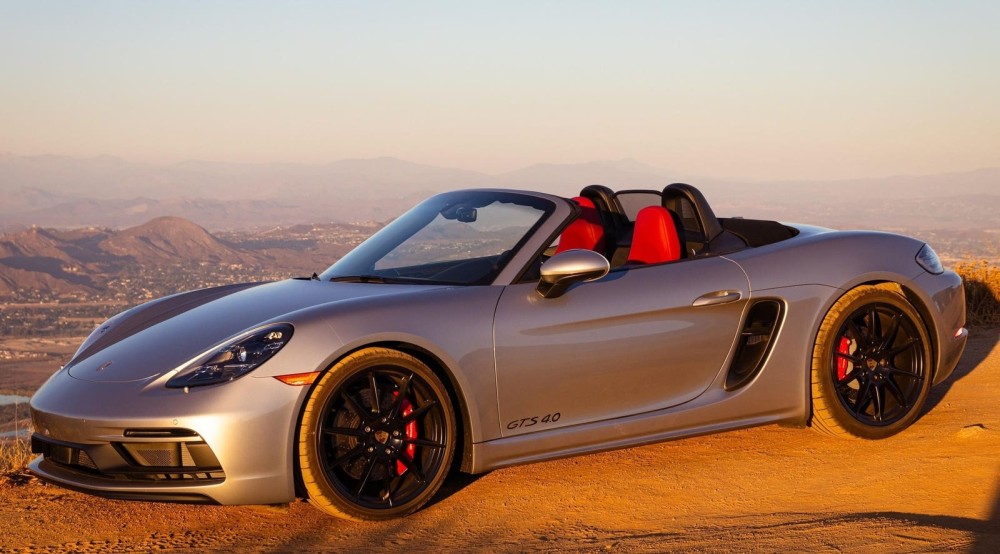
The U.S. got a little more time, but not much. Once final orders were handled, the gasoline 718 era was done.
The plan, at least originally, was for the next Boxster and Cayman to go electric. That made sense on a PowerPoint slide. Porsche needed to move resources to the next-generation model. The company was investing heavily in EVs. The 718 seemed like a neat place to prove that an electric Porsche sports car could still be compact, sharp, and special.
Then reality complicated the story.
EV demand softened. One of Porsche’s battery suppliers ran into serious trouble. And the idea of asking traditional Boxster and Cayman buyers to accept a mid-engine Porsche with no engine at all suddenly looked a lot riskier than it probably did a few years ago.
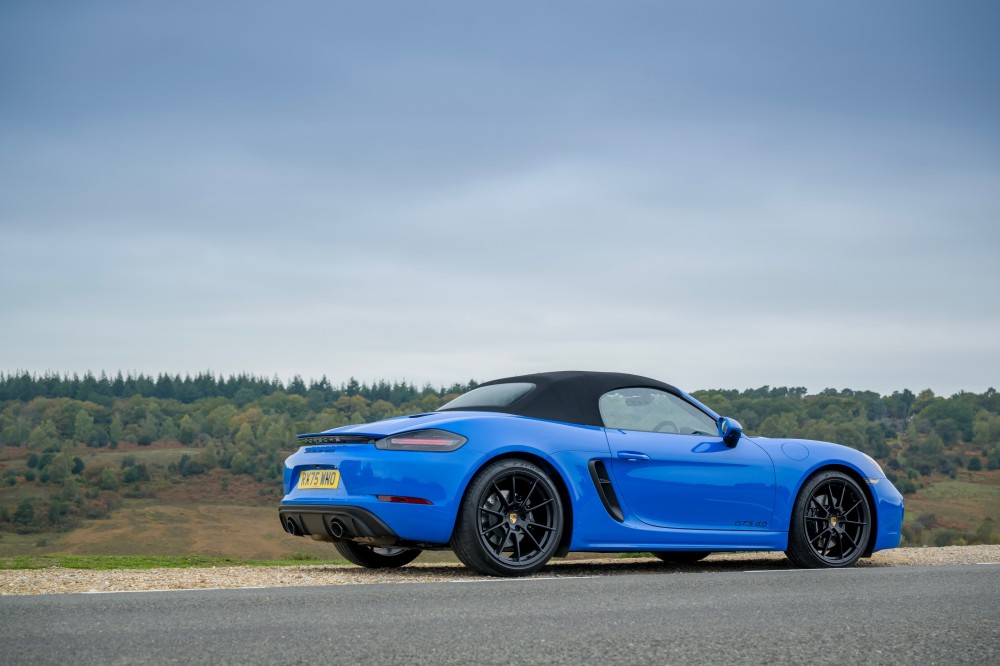
Anyone who remembers the reaction to the turbocharged flat-four 718 models knows why. Those cars were fast. They handled beautifully. They made total sense on paper. But for many buyers, they lost some of the magic when the flat-six went away. The sound mattered. The delivery mattered. The personality mattered.
So imagine the conversation around a Boxster or Cayman with no combustion engine at all.
That is a big ask.
The sad part is that the Boxster and Cayman had already spent nearly 30 years proving how brilliant the formula could be. The original Boxster arrived in the 1990s when Porsche badly needed saving. The company was in trouble, and it needed cars that could bring in money without destroying what made the brand special. Out of that pressure came the Cayenne, the water-cooled 911, and the 986 Boxster.
The Boxster was the affordable Porsche, but it never felt like a cheap imitation. It shared pieces with the 911, but its engine sat in the middle, not hanging out behind the rear axle. That gave it a balance the 911 could not quite copy. Early versions were not especially powerful, but they had something better than bragging rights. They had feel.
That became the theme for the whole bloodline.
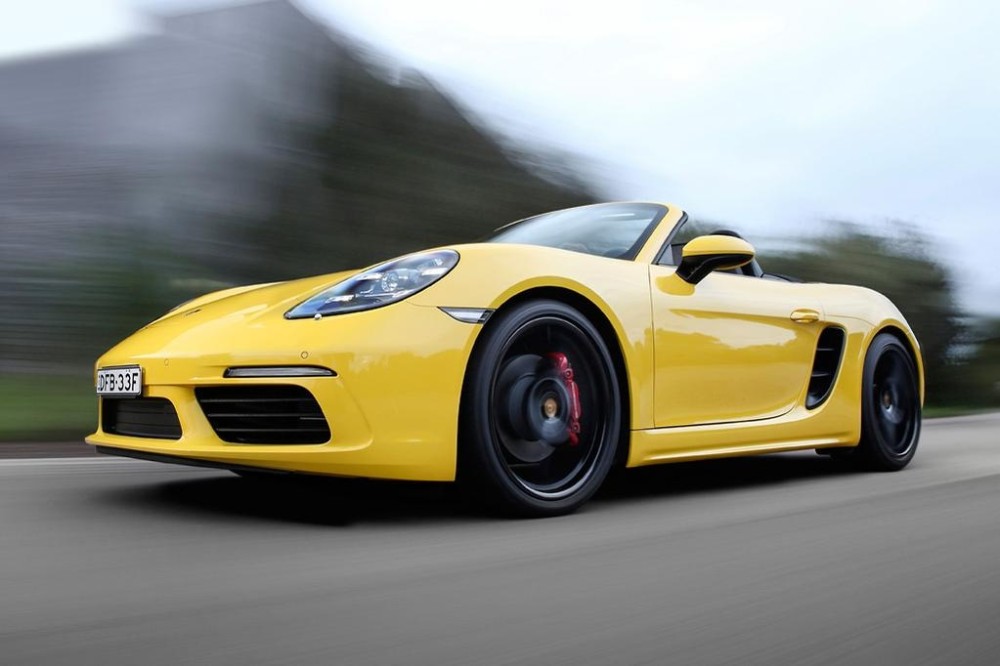
Porsche kept adding power slowly, almost carefully. The early 2.5-liter flat-six gave way to stronger 2.7-liter and 3.2-liter versions. Then came the second-generation Boxster and the Cayman coupe, which brought a stiffer body and even sharper responses. Then came the 981 cars, which many still consider one of the sweetest eras for the model. Then came the 718 generation, controversial four-cylinder engines and all.
And then Porsche corrected course in the most Porsche way possible.
It brought back the flat-six.
The Cayman GT4 and Boxster Spyder were the apology everyone wanted, and the Cayman GT4 RS was the final outrageous answer to a question enthusiasts had asked for years: had Porsche been holding the Cayman back so it would not embarrass the 911?
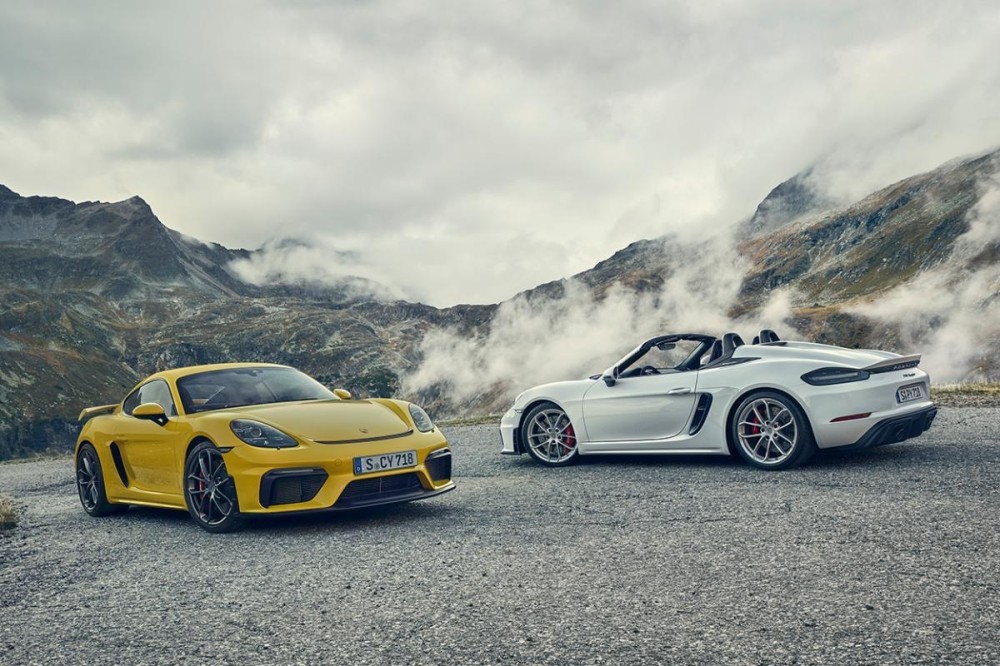
The GT4 RS made that question feel less like a conspiracy theory and more like a confession.
With a 4.0-liter flat-six related to the 911 GT3 engine, nearly 500 horsepower, and a personality that bordered on feral, the GT4 RS turned the Cayman into something far more serious than a “junior Porsche.” It was loud, raw, expensive, and completely magnificent. It did not replace the 911 GT3. It did something better. It made people wonder whether they wanted the 911 at all.
That is what made the 718 so special. The range worked at both ends. A humble early Boxster with barely over 200 horsepower could still make a back road feel alive. A Cayman GT4 RS could chase supercars and make a track day feel like a religious event. Between those extremes sat years of cars that were usable, beautiful, balanced, and more rewarding than their spec sheets suggested.
That is rare.
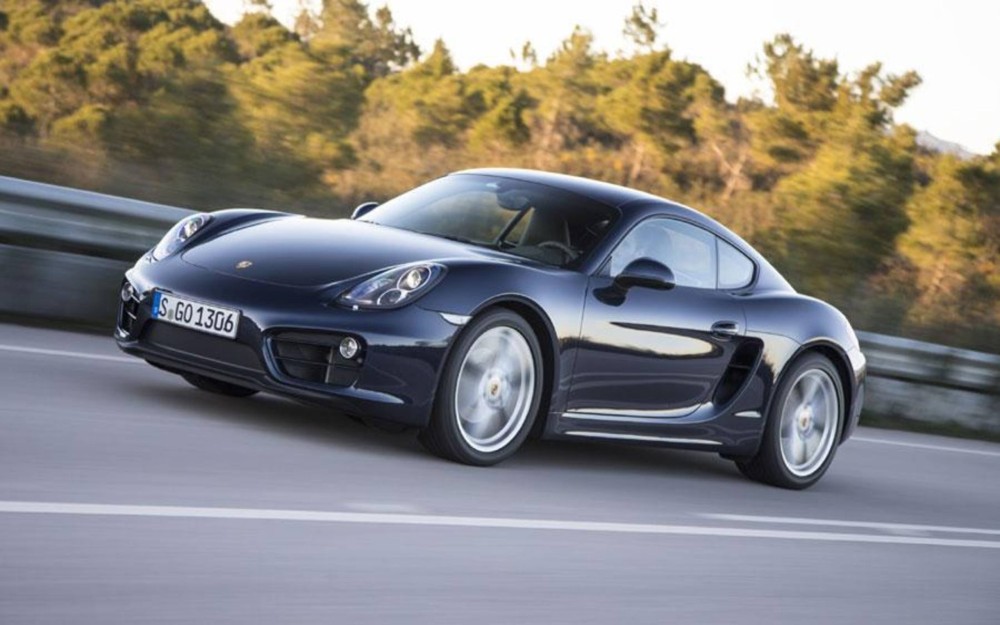
Not every great sports car needs to scare you. Not every great sports car needs huge horsepower. The Boxster and Cayman understood that better than almost anything else. They proved that the best driving cars are often the ones that make ordinary speeds feel interesting.
There are still ways to enjoy that magic without spending GT4 RS money. A 987.2 Boxster S remains one of the smarter used Porsche buys, with a stronger engine, gorgeous proportions, and enough performance to make you wonder why people chase numbers so obsessively. A 981 Cayman with a manual gearbox is another sweet spot, especially if you want that naturally aspirated flat-six character without needing a collector’s budget.
Those cars are going to look smarter with every passing year.
As for the future, the story has already become more complicated than Porsche probably wanted. The next-generation 718 was supposed to be electric, but reports now suggest Porsche is finding a way to bring combustion back into the plan. That will not be easy. Designing a platform around a structural battery and then figuring out how to fit a gasoline engine, fuel system, exhaust, cooling, and all the necessary structure back into it is not a casual engineering exercise.
But if anyone is stubborn enough to attempt it, Porsche is.
The good news is that the Boxster and Cayman nameplates may not be gone forever. The bad news is that whatever comes next will have a lot to live up to. Not just because the last cars were fast, but because they understood something simple that modern performance cars keep forgetting.
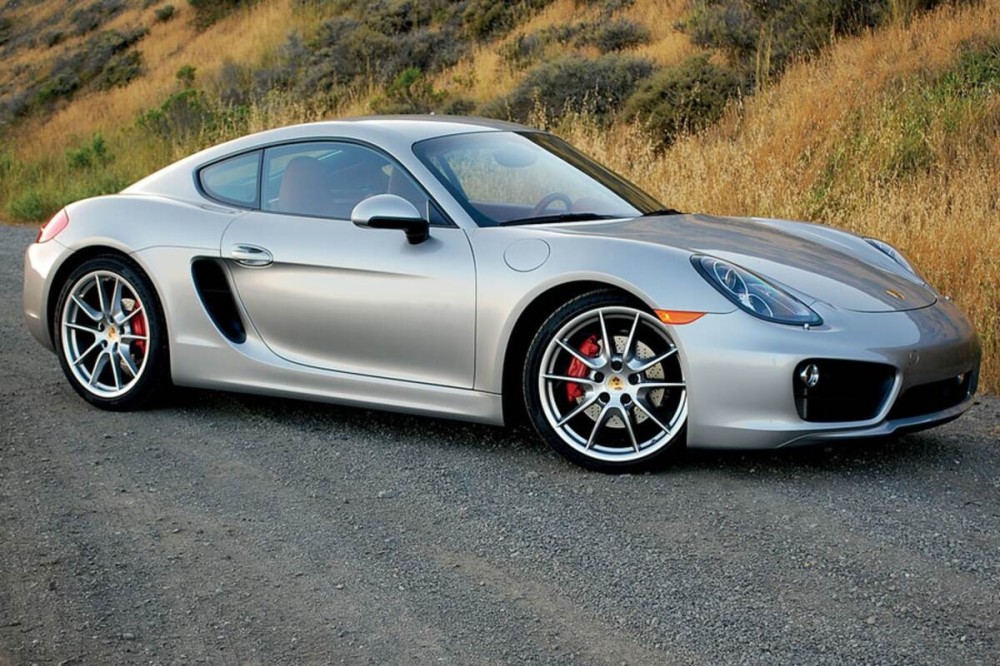
A sports car does not have to be the most powerful thing in the room.
It has to make you care.
For nearly three decades, the Boxster and Cayman did exactly that. They saved Porsche when Porsche needed saving. They gave enthusiasts a mid-engine car that felt honest and alive. They survived being underestimated, overanalyzed, and occasionally held back. And at their very best, they were not just great “entry-level” Porsches.
They were great Porsches, full stop.
That is why killing them hurts.
And until the next one proves otherwise, the best sports car Porsche ever made is sitting in the past tense.