
The Government Just Took a Real Step Toward Cars With No Driver, No Brake Pedal, and No Pretending Otherwise
by AutoExpert | 7 July, 2026
For most of car history, one assumption sat underneath everything. There would be a driver.
Not just in the vague philosophical sense. Physically. Literally. A person in a seat, looking forward, hands near the wheel, feet near the pedals, ready to brake if something went wrong. That idea shaped the way cars were built, the way they were regulated, and the way the law talked about them. It was not some optional detail. It was the whole setup.
Now the government is starting to seriously loosen that assumption.
And that is a much bigger deal than it sounds.
Because on paper, this looks like one of those dry, sleep-inducing regulatory stories that only transportation lawyers and policy people could possibly care about. The NHTSA is proposing changes to a braking rule. Fine. Sounds miserable already. But once you get past the language, what it really means is this: the federal government is starting to admit that a vehicle might not need a human brake pedal at all, because it might not need a human driver at all.
That is not a small edit.
That is one of those quiet, bureaucratic moments that ends up meaning more than the headline suggests.
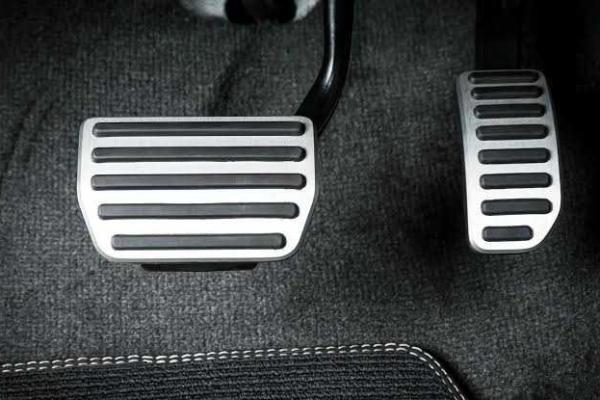
For decades, the law treated the brake pedal as part of a very old relationship between the car and the person controlling it. You hit the pedal, the car slows down, the rules assume a human being made that choice. Even as cars got smarter and stuffed themselves with sensors, computers, and layers of electronic intervention, the basic legal picture stayed the same. A human still had to be there. A human still had to be in charge. The brake pedal was not just a piece of hardware. It was proof of who the system thought mattered.
What is changing now is not the idea that cars must stop safely. That part stays. They still have to brake properly. They still have to meet performance standards. They still have to avoid becoming dangerous software-powered furniture.
What is changing is the idea that the command to stop has to come from a person pressing something with their foot.
That is the leap.
And once you make that leap, the whole car starts changing around it.
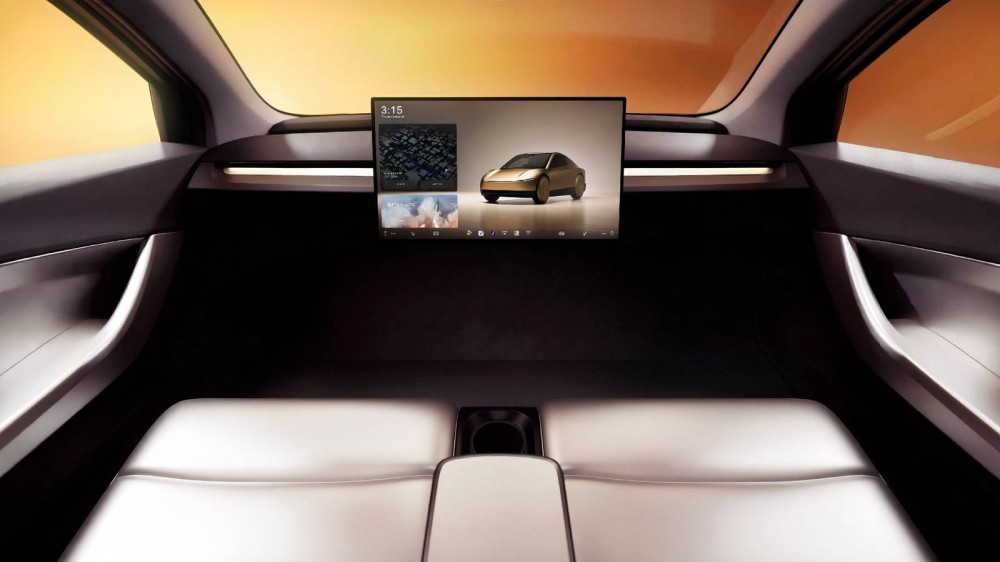
Because if a vehicle is designed from the beginning to drive itself, then suddenly a lot of old assumptions look a little silly. Why force a brake pedal into a vehicle that has no driver? Why insist on a steering wheel nobody is meant to touch? Why design the whole cabin around one seat facing forward in command if the actual point of the thing is to carry passengers while the system handles the driving?
That is why these robotaxi designs feel so weird to people. They are not just “future cars.” They are vehicles built after deleting the driver from the center of the story.
And that is what makes this NHTSA move important. It is one of the first times the government is really starting to adjust the rulebook accordingly instead of forcing these vehicles to cosplay as normal cars.
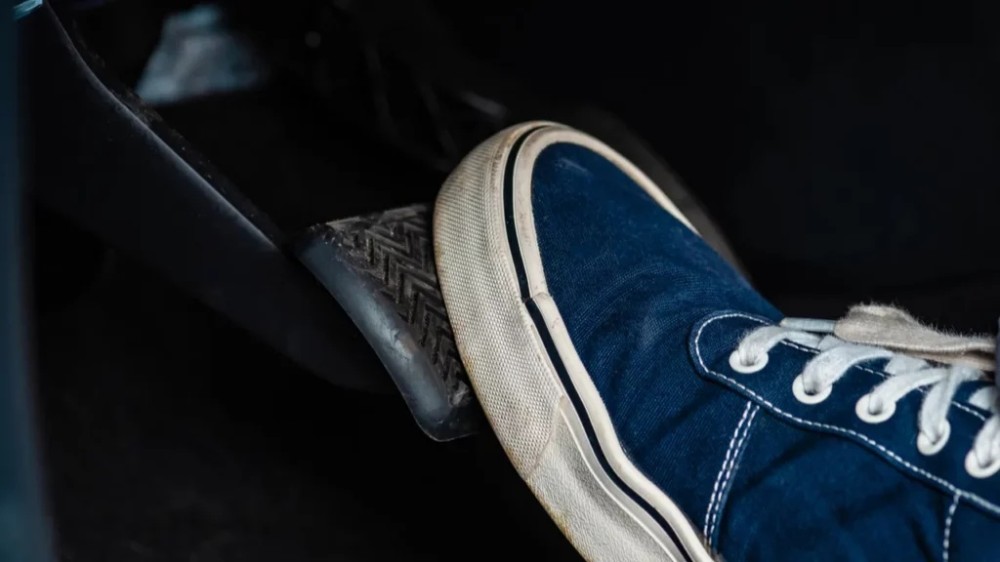
Because that is basically what had been happening before. Fully autonomous vehicles without traditional human controls have been stuck in a weird regulatory costume party, either needing exemptions or being treated like odd exceptions in a legal world that still assumed there had to be a steering wheel and pedals somewhere in the picture. That does not work forever if companies actually want to build purpose-made driverless vehicles at scale.
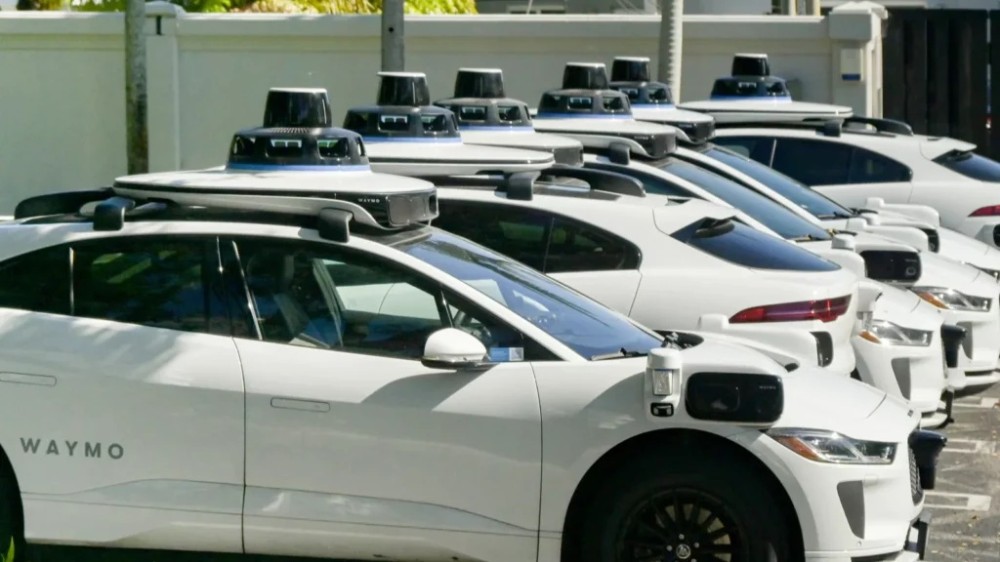
So this proposal matters to companies like Tesla, Zoox, Waymo, and anyone else trying to turn the robotaxi idea from a weird pilot program into a real business.
But it matters beyond them too.
Because this is one of those rare moments where the government is not just reacting to a technology, but quietly accepting the worldview behind it. The old rule assumed every car had a driver. This new direction starts making room for cars that simply do not.
And that is where it gets a little unsettling.
Not because the brake pedal itself is sacred. Nobody is emotionally attached to the brake pedal as an object. The unsettling part is what its disappearance represents. In a normal car, everyone understands the basic emergency logic. There is a wheel. There are pedals. There is someone responsible, even if that someone is making terrible decisions. In a purpose-built autonomous vehicle, that familiar logic disappears. Passengers are no longer sitting with a system they could theoretically take over. They are just sitting in it, trusting that the software will behave, that the vehicle will stop when it should, and that whatever emergency interface exists will actually matter if something goes wrong.
That is a very different kind of trust.
And the law is still awkward around that part.
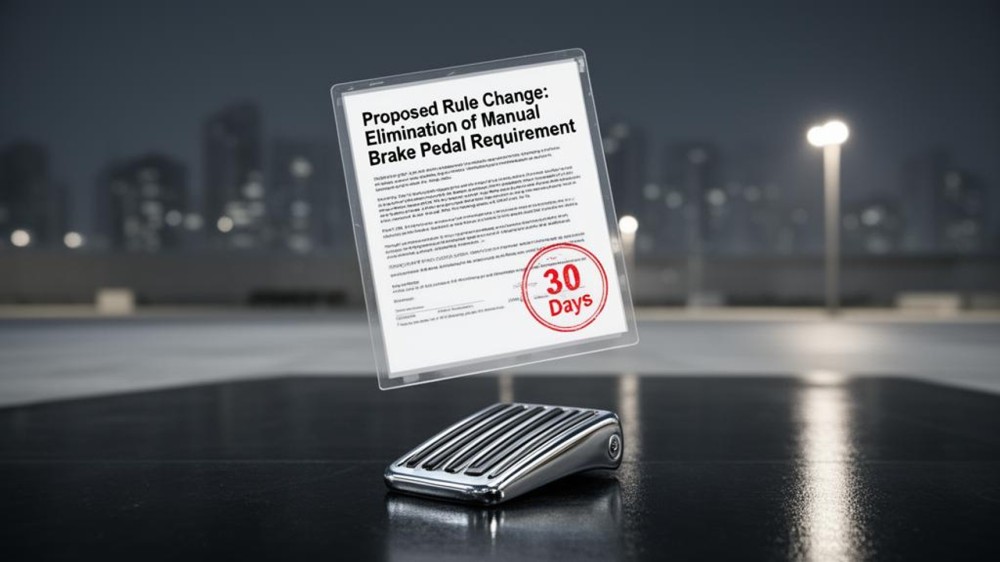
You can rewrite a braking standard more easily than you can answer the deeper question people are going to keep asking: if there is no driver, then who exactly had the last clear chance to stop the vehicle? The software? The company? The passenger pressing some emergency stop icon on a screen? A remote support person somewhere? The proposal does not really settle that emotional question, even if it takes a practical step toward settling the engineering one.
Still, this is a real turning point.
Not because brake pedals are disappearing tomorrow from every vehicle on the road. They are not. And not because this suddenly proves the driverless future has arrived cleanly and convincingly. It has not. But because the government is finally starting to write rules that acknowledge a possibility that used to sound almost ridiculous: some vehicles are not meant to be driven by people at all.
Once that idea gets written into the rulebook, even in one small corner of it, the whole conversation changes.
The car stops being something every occupant is expected to control.
And starts becoming, in some cases, something they are simply expected to trust.
That is a bigger shift than a missing brake pedal.