How Dark Sky Cities Light Their Roads Without Erasing the Stars
by AutoExpert | 7 September, 2026
The phrase “dark sky city” can conjure an impractical picture: roads disappearing into blackness, pedestrians carrying flashlights and local astronomers celebrating while everyone else drives home at walking speed. Real dark sky policies are considerably more thoughtful.
Streetlights remain part of the landscape. Intersections, sidewalks, crossings and busy public spaces still receive illumination. The difference lies in where that light goes, how bright it is, what color it produces and whether anyone needs it at four in the morning.
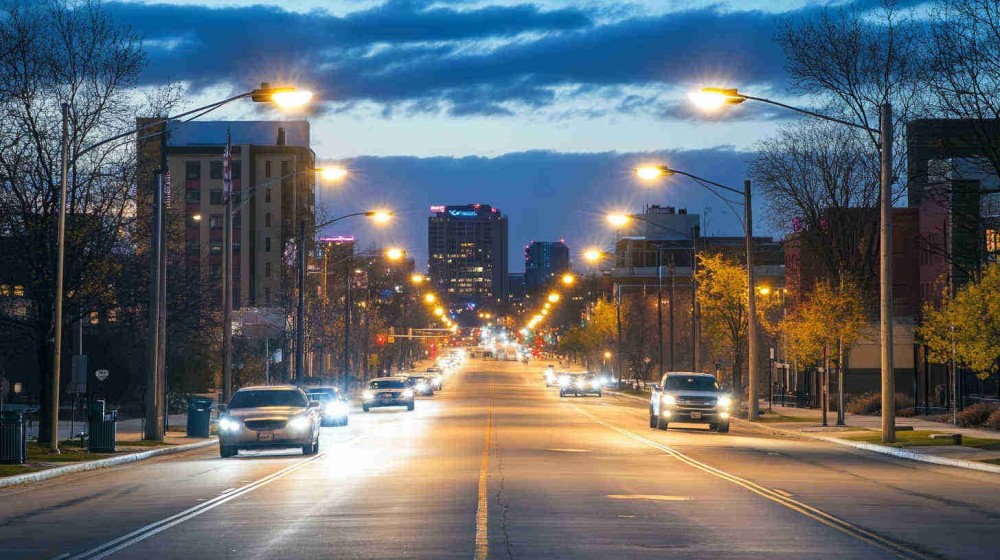
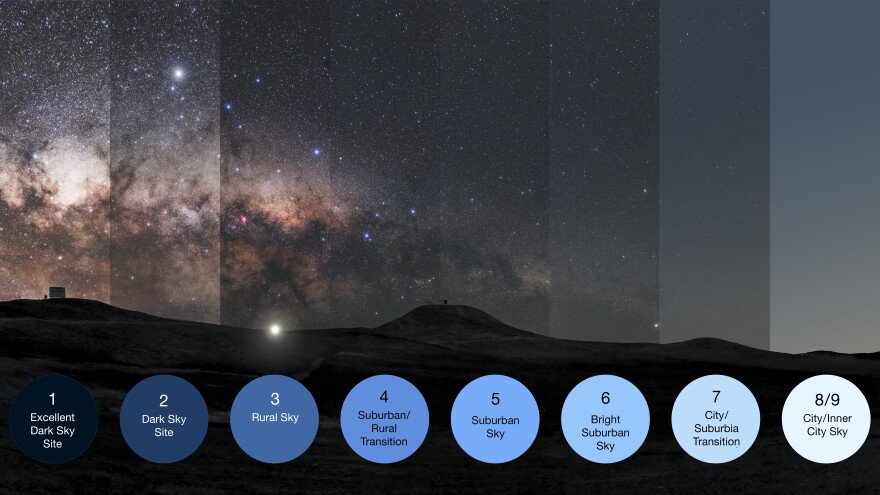
A conventional streetlight can waste a surprising amount of its output. Light escapes above the horizon, spills into bedroom windows and reflects from dust and moisture in the atmosphere. The familiar orange or gray glow hanging over a city is created by thousands of fixtures illuminating parts of the sky that nobody intended to use.
Dark sky communities attempt to bring those stray beams back to earth.
More light does not always produce better visibility
Human eyes struggle with sudden changes in brightness. A harsh, exposed lamp creates glare, forcing the pupil to adjust and making the surrounding shadows appear darker. Drivers may see the glowing fixture perfectly while having greater difficulty spotting a pedestrian or animal beyond it.
Shielded lighting tackles the problem by placing the light source inside a housing that directs illumination downward. The road receives a controlled pool of light, while much less escapes sideways or upward.
The DarkSky International principles for responsible outdoor lighting describe five basic requirements. Lighting should serve a clear purpose, reach only the intended area, be no brighter than necessary, operate only when needed and use warmer colors whenever practical.
None of those ideas require a city to abandon its streetlights. They require each fixture to earn the electricity it consumes.
A fully shielded lamp can illuminate pavement using less power because its output is concentrated where people need it. Timers, dimmers and motion controls can reduce brightness during quiet periods, then restore it when traffic or pedestrians return.
Even the height and spacing of poles can be reconsidered. A row of carefully positioned, moderate-output fixtures may provide more consistent visibility than a few dazzling lamps surrounded by deep patches of darkness.
Color also matters. Modern white LEDs frequently contain a strong blue component that scatters readily through the atmosphere. Warmer light reduces that effect and is generally less disruptive to the nighttime environment. Responsible-lighting programs therefore often set limits on color temperature along with brightness and direction.
Flagstaff began with searchlights, not streetlights
The history of dark sky regulation stretches back farther than many people realize.
Flagstaff, Arizona, adopted an ordinance in 1958 restricting commercial advertising searchlights. Their powerful beams created skyglow that interfered with observations at nearby Lowell Observatory. The city describes it as the first ordinance of its kind, beginning a relationship between Flagstaff and night-sky protection that continued for decades.
Later rules addressed a much wider range of outdoor lighting. In 2001, Flagstaff became the world’s first International Dark Sky City, according to the city’s official dark sky history.
The progression reveals how these policies usually develop. Officials identify the most wasteful or disruptive lighting, set technical standards and gradually improve fixtures as roads and buildings are renovated. A municipality rarely removes every lamp in one enthusiastic sweep.
Modern ordinances may regulate unshielded fixtures, upward-facing architectural lights, illuminated signs, sports facilities and lighting that crosses property boundaries. Some establish a nightly curfew for decorative or commercial illumination. Others limit how much light a property can produce based on its size and location.
Streetlights are treated according to their function. A busy urban crossing needs a different solution from a quiet residential road. An observatory district, coastal nesting beach and town center may each receive separate lighting rules.
Certification from DarkSky International also involves continuing commitments rather than a decorative sign installed at the city entrance. Communities typically need an adopted lighting policy, public education and evidence that officials are working to preserve the nighttime environment.
Wildlife also experiences the city after dark
Humans have adapted their routines around electric light. Wildlife has had less time and considerably less influence over the design process.
Artificial lighting can interfere with feeding, migration, reproduction and navigation. The best-known example occurs on nesting beaches. Sea turtle hatchlings normally move toward the brighter horizon over the ocean. Lights from roads, hotels and homes can draw them inland instead.
The U.S. Fish and Wildlife Service advises coastal communities to keep lights low, shielded and directed away from nesting areas. Warm-colored lighting and curtains can further reduce the glow visible from the beach.
The problem extends beyond sea turtles. Migrating birds can be attracted or disoriented by illuminated buildings, while insects gather around artificial lights instead of following their natural nighttime behavior. Reducing unnecessary illumination gives these animals a darker, more predictable environment without requiring people to abandon useful lighting.
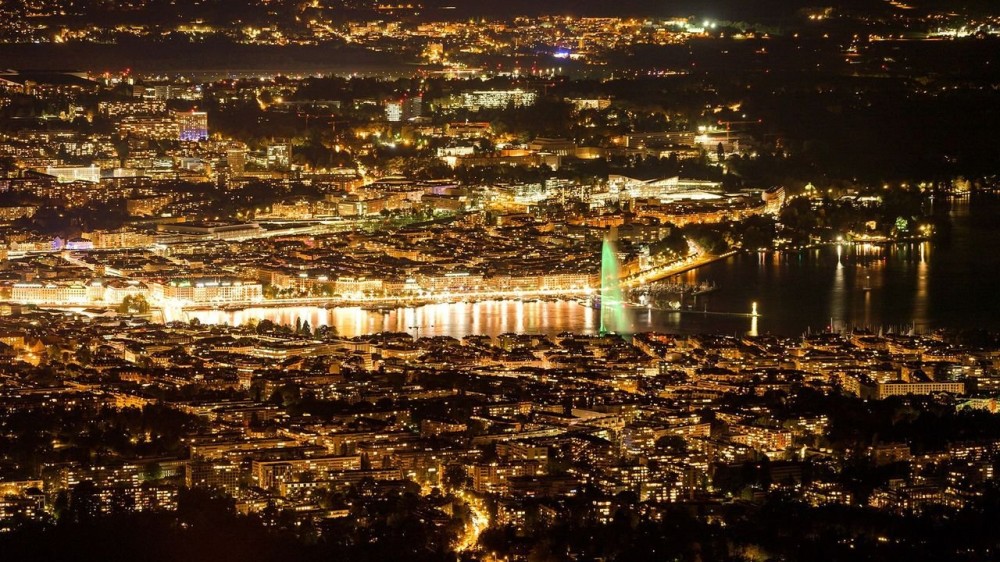
Residents gain quieter benefits. Shielded fixtures can keep bedrooms darker. Municipalities may spend less on electricity. Amateur astronomers recover stars that have been invisible for years, and destinations with exceptionally clear skies can attract visitors long after ordinary shops and attractions have closed.
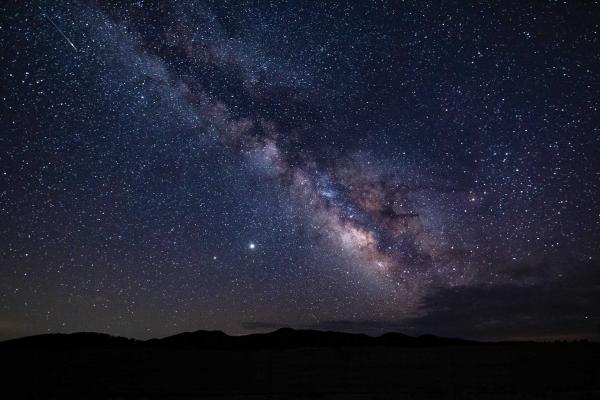
There is also something quietly remarkable about seeing the Milky Way from a populated place. It reminds people that the dull orange ceiling above many cities is a design consequence rather than the natural color of night.
Dark sky rules ask a straightforward question before every outdoor light is installed: What needs to be seen?
Once that answer is clear, the fixture can illuminate the road, doorway or crossing without lighting the atmosphere, a neighboring house and the underside of every passing bird.
A dark sky city still glows. It simply knows where to stop.