

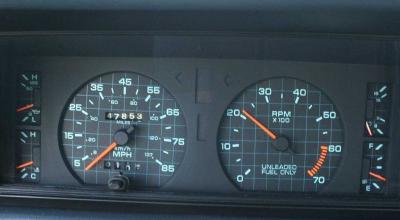
Open the door of an American-market performance car from the early 1980s and something may appear terribly wrong. There is the dramatic driving position, a powerful engine and perhaps a body design
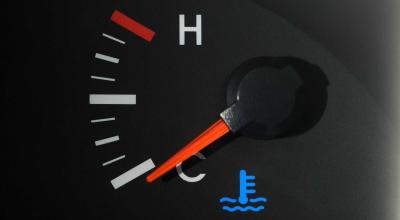
On a cold morning, the dashboard can produce a blue thermometer symbol that looks far more alarming than the engine sounds. The car starts normally. No steam rises from beneath the hood. Nothing sm
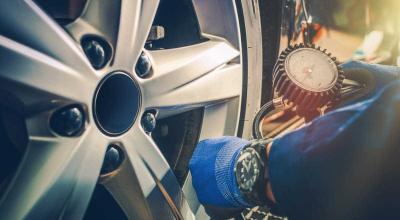
The tires were set perfectly that morning. Then, after a long stretch of highway, the pressure display shows every one of them sitting several pounds higher. Out comes the gauge. Sure enough, the d
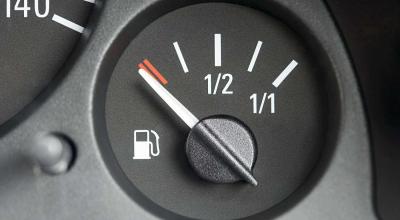
The low-fuel light is on, so a few gallons go into the tank. The engine starts, the receipt confirms that actual gasoline was purchased, and the gauge responds by remaining exactly where it was. No
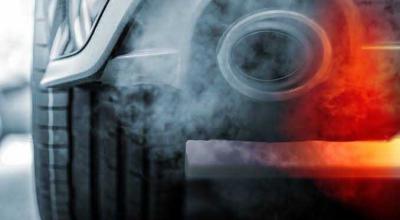
A cold engine starts, and a pale cloud rolls out of the exhaust. The sight is particularly dramatic on a winter morning, when the plume hangs behind the car as though the engine has chosen a new caree
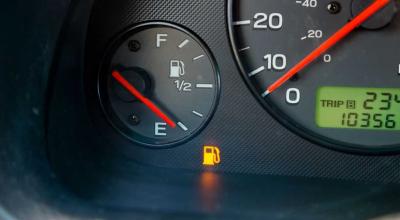
The fuel light comes on. The dashboard says 80 miles to empty. The next gas station is 35 miles away, so there should be no problem. Ten miles later, the display reads 54. Nothing has leaked out. N

The sticker inside the driver’s door says 35 PSI. After an hour on the highway, the dashboard says 39. Four extra pounds of pressure sounds like a problem. The tires were set correctly that morn
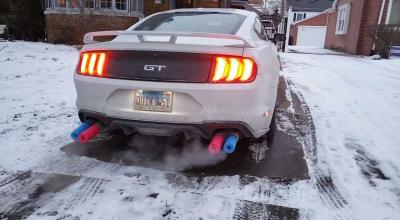
The car is parked out front, freshly washed and looking suspiciously pleased with itself. The seller hands over the key, mentions that it “runs beautifully,” and points out that the engine

Here is a mildly alarming experiment: open the trunk of your car and lift the floor. There may be a spare tire under there. There may also be a little black compressor, a bottle of sealant, and a

Fourteen percent. That’s how far Ford’s May sales slid compared with last year. On paper it looks like a red warning light, 190,000 vehicles that never drove off the lot. Social feeds