
That Blue Thermometer Light Is Asking for Patience, Not a Half-Hour Warm-Up
by AutoExpert | 12 August, 2026
On a cold morning, the dashboard can produce a blue thermometer symbol that looks far more alarming than the engine sounds.
The car starts normally. No steam rises from beneath the hood. Nothing smells unusual. Still, the blue light stays on while the heater blows air with all the warmth of an open refrigerator.
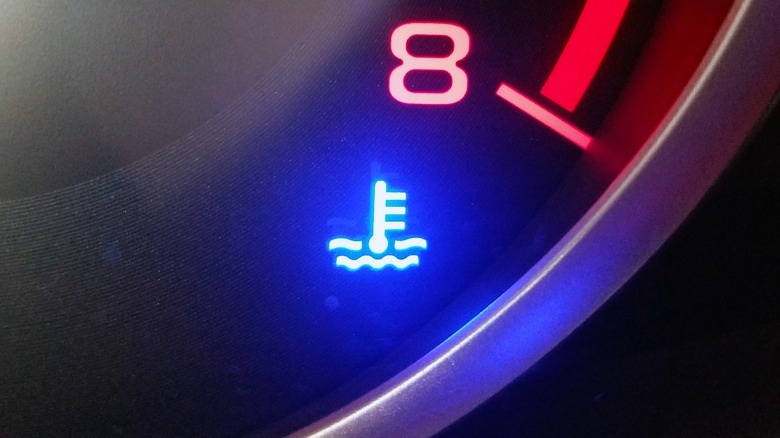
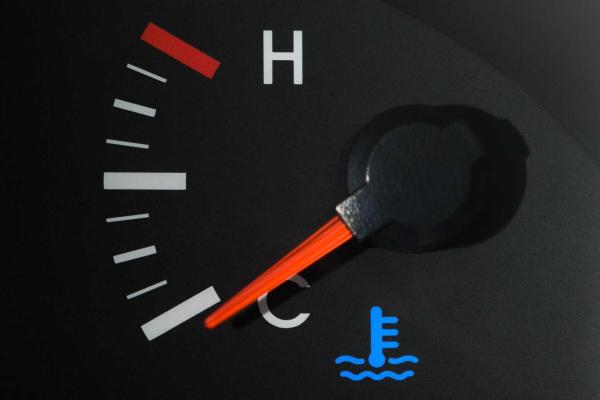
The symbol simply means the engine coolant has not yet reached its normal operating temperature. Some manufacturers use it in place of a traditional temperature gauge, giving drivers two broad messages: blue while cold, red when dangerously hot.
Those colors may share the same thermometer shape, but they belong to very different conversations.
Start the car, settle in and drive gently
A modern engine rarely benefits from sitting in the driveway for a long warm-up under ordinary conditions. Start it, allow a brief moment for oil pressure to build and for the idle to settle, then drive away gently.
Gentle means avoiding full throttle, high engine speeds and heavy loads while the blue light remains on. Smooth acceleration and moderate revs allow the engine, transmission and other components to warm progressively under light load.
Prolonged idling warms an engine slowly because it produces relatively little useful work. The cabin may also take longer to heat, particularly in a small efficient engine that does not generate much waste heat while stationary.
Cold oil flows more slowly than warm oil. Internal clearances also change as metal components reach their designed operating temperature. None of this makes a cold engine fragile enough to fear ordinary driving, but it provides a good reason to postpone the dramatic freeway entrance until everything has warmed.
The blue light may remain on longer during freezing weather, short trips or extended downhill driving with little engine load. A strong cabin-heater setting can also draw heat from the cooling system, delaying warm-up slightly.
What the light does not tell you
The blue coolant temperature light does not normally indicate a low coolant level. It reports temperature, not quantity.
A cooling system can be low while the blue light behaves normally, which is why periodic level checks still matter. Check the reservoir only according to the owner’s manual and when the engine is cold. Opening a pressurized cooling system while hot can release boiling coolant and steam.
The light also cannot confirm that engine oil has reached full operating temperature. Coolant often warms sooner than oil, especially in cold weather. The blue symbol going out means normal driving can continue, but a few additional minutes before sustained high revs or maximum acceleration remains a considerate habit.
Hybrid vehicles add another wrinkle. Their gasoline engines may stop and restart as required, so the blue indicator can remain visible differently from what drivers expect in a conventional car. The owner’s manual should settle the meaning for that particular powertrain.
When blue lasts too long
Every car warms at its own pace, and weather makes an enormous difference. A light that stays on much longer than usual during a familiar journey deserves attention.
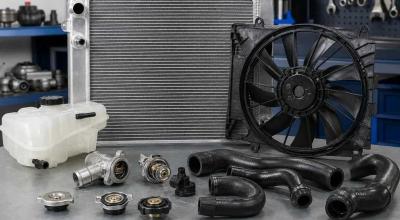
A thermostat stuck open can allow coolant to circulate through the radiator too early, preventing the engine from warming properly. Typical clues include weak cabin heat, reduced fuel economy and a temperature reading that drops during faster driving.
A faulty coolant-temperature sensor or wiring problem can also keep the indicator illuminated even when the engine has warmed. If the light remains on after a long drive, behaves erratically or appears with poor running and other warnings, the car needs diagnosis.
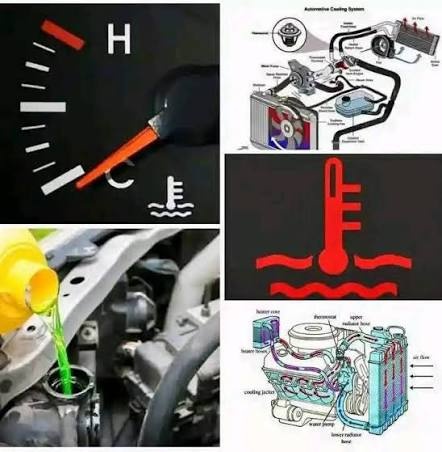
Red brings greater urgency. A red coolant-temperature warning, rising gauge, steam or sudden loss of cabin heat can indicate overheating. Stop safely, switch off the engine and follow the manual’s instructions. Never treat red as the blue light’s slightly more impatient relative.
The blue symbol asks for nothing complicated. Let the engine work, keep the accelerator sensible and save the enthusiastic driving for later.
By the time warm air reaches the cabin, the dashboard will usually have turned the light off without ceremony.