The Classic Jaguar Had a Fuel Cap on Each Side. You Had to Choose a Tank

by AutoExpert | 29 September, 2026
Most cars ask the driver to remember which side the fuel door is on. An older Jaguar XJ6 offers a more entertaining problem: there is a filler cap on each side, and both of them lead somewhere.
The twin tanks were part of the XJ6 from its early years. A 1968 Jaguar brochure describes one tank in each rear wing, enclosed in its own steel compartment. The two caps sit above the rear wheel arches, adding a small flourish to a car that already looked unusually low and long for a luxury saloon. Jaguar launched the original XJ6 in September 1968.
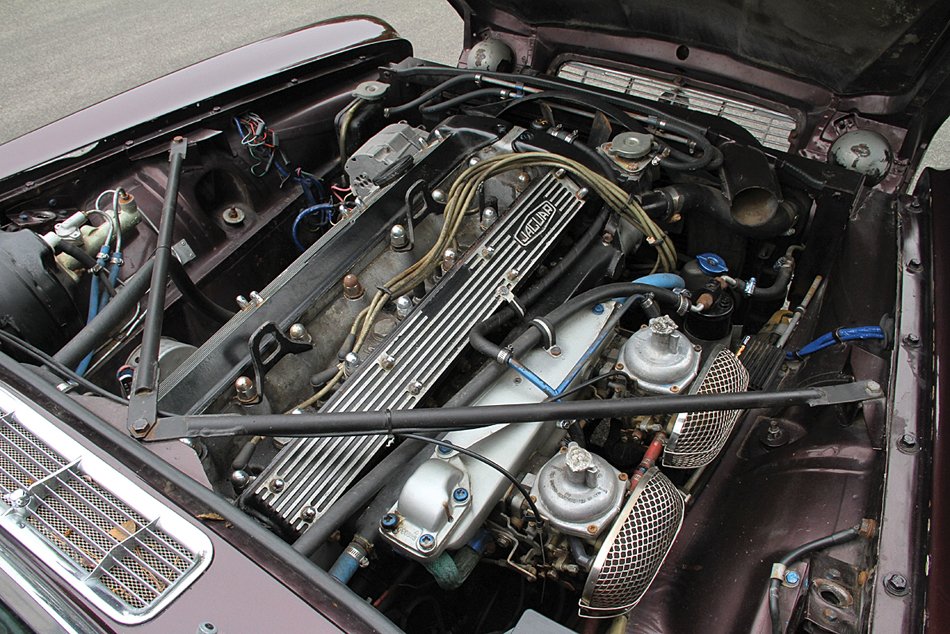
Those caps were more than a styling flourish. The driver could select which tank supplied the engine.
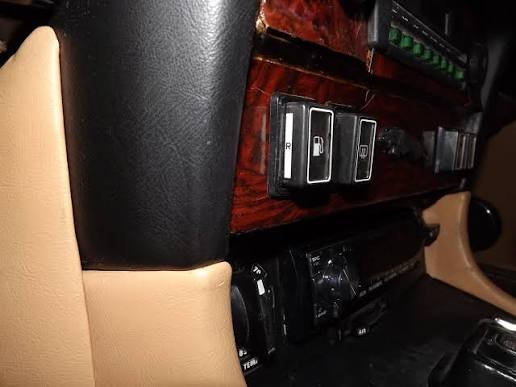
On a fuel-injected Series III XJ6, the dashboard switch controls a changeover valve that draws fuel from the chosen tank. The system also has to send unused fuel back to that same tank. According to the 1983 XJ6 service information, pressing the switch in selects the left tank; leaving it out selects the right. A Series III owner’s diagnostic guide adds that the fuel gauge follows the selection, displaying the level in one tank at a time. Earlier XJ fuel systems differ in their details, so this particular valve arrangement should not be treated as a diagram for every model year.
It is rather satisfying to operate. Fill both sides, select a tank and drive until it is time to switch over. For a moment, the fuel needle has an entirely new story to tell.

The catch when one side stops working
A classic XJ6 may still drive normally even if part of the changeover system has failed. An owner could spend months using the tank that works and leaving the other one alone. That makes “it runs fine” a less complete answer than it sounds when inspecting a car for sale.
Ask for a demonstration with fuel in both tanks. Does the gauge respond when the selector is pressed? Will the engine run from either side? Are there fuel smells, damp areas or stains around either tank and its plumbing? On the fuel-injected Series III, a faulty return valve can also send unused fuel to the wrong side. The enthusiast switchover checklist distinguishes electrical faults from valves that receive power but stick mechanically. Diagnosis is preferable to guessing at a switch and ordering parts.
As for why Jaguar used two tanks, the shape of the car offers a plausible explanation. Owners have long pointed to the available space in the rear wings and the difficulty of fitting one large tank beneath a low boot with a spare wheel. That is an informed packaging explanation, rather than a documented statement of Jaguar’s original design decision.
The two filler caps are among the XJ6’s best little surprises. They also double the number of places a buyer should inspect. A beautifully polished cap tells you very little about the tank beneath it, and a working dashboard switch tells you more than its modest size suggests.